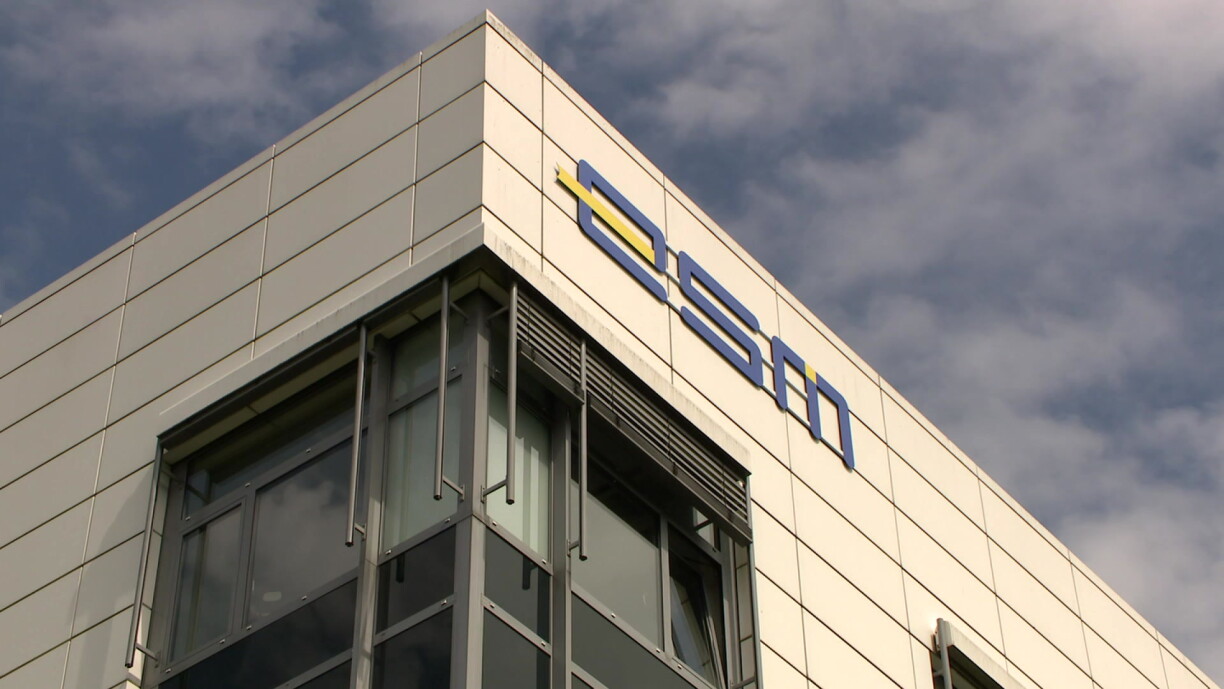
The European Stability Mechanism (ESM) was born out of the eurozone debt crisis. Since its inception in 2012, it has provided long-term, low-interest loans to Greece, Portugal, Spain, Ireland, and Cyprus – in each case conditional on the recipient countries implementing political reforms aimed at cutting spending or boosting revenue.
The ESM is also mandated to assist banks facing financial distress. Its overarching objective is to safeguard financial stability within the eurozone.
Since 2018, however, the ESM has not disbursed any further funds to member states. Nonetheless, the organisation remains essential, according to its Managing Director and former Luxembourg finance minister, Pierre Gramegna.
He likens the ESM's primary role to that of an "insurance policy", noting that private individuals do not cancel their home insurance simply because their house has not caught fire in years. The second function, Gramegna added, is preventive: the ESM assesses risks and issues early warnings to member states.
On the question of financing the substantial defence expenditures pledged by European NATO members, Gramegna said the ESM is already able to offer support. The organisation provides credit lines that, unlike its conditional loans, are not tied to reform requirements. So far, however, no country has requested such a facility.
Gramegna attributed this to the perception that drawing on an ESM credit line could signal national weakness. To counter this, the ESM now allows countries to apply jointly. "If this can be done as a group, I think it is easier to digest and easier to sell externally", he said.
The ESM holds capital of €81 billion and recorded a record profit of around €2 billion in 2025. Its total lending capacity stands at up to €500 billion.
While multiple crises, climate change, and mounting pressure on social systems are straining many countries, Gramegna does not view the ESM as a direct response tool in these areas. "We are there primarily to help countries' state finances", he said.
The ESM can also intervene to stabilise banks whose failure might drag a country into crisis – a measure already used in the past. "But we cannot finance projects. And I also don't think that is the intention. We are the safety net that is there as a last resort", Gramegna explained.
For project financing, he pointed to other EU institutions, such as the European Investment Bank (EIB) and NextGenerationEU – the latter being an €800 billion recovery fund designed to help member states rebuild after the COVID-19 pandemic and enhance their long-term resilience.
With national debt at 26.5% of GDP, Luxembourg ranks as the second least indebted country in the eurozone – a position Gramegna described as highly favourable. The former finance minister called it an "extraordinary result" that the Grand Duchy has managed to keep its debt "practically" stable despite the numerous crises of recent years.
However, he acknowledged that financing additional debt will require economic growth, which currently presents a major hurdle. Among the potential avenues for future growth, Gramegna cited FinTechs, artificial intelligence, and defence-sector satellite technologies.
The ESM, which employs around 240 staff, is set to move into new headquarters in Kirchberg, located behind the three yellow towers of the European Court of Justice. Internal approvals have been secured, and the project has received the green light from the Chamber of Deputies.
Construction is now ready to proceed, with Gramegna anticipating completion by the end of this decade.





