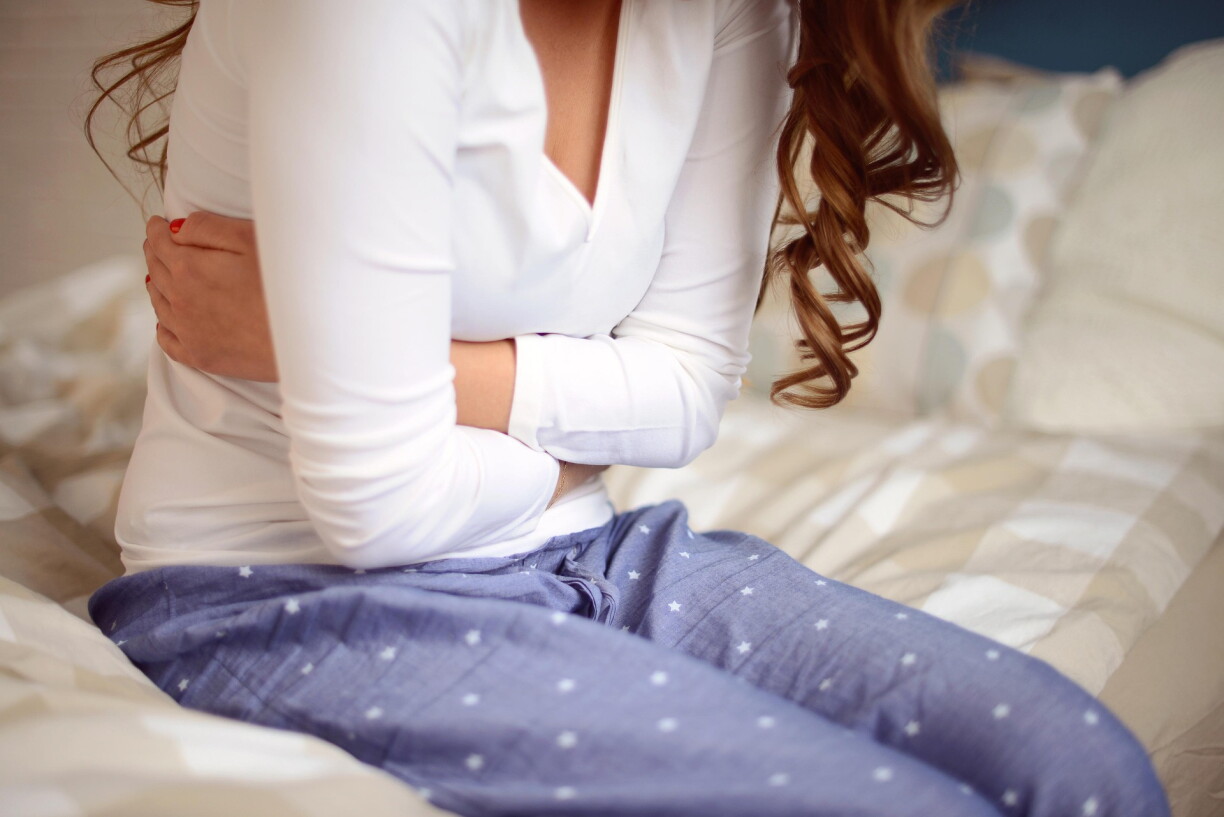
In endometriosis, tissue resembling the lining of the uterus grows outside the uterus. These lesions can develop on the ovaries, fallopian tubes, intestines or bladder, and even, in rare cases, on the lungs. The condition leads to inflammation, adhesions and severe pain.
Sylvie de Mattos lives with the disease herself. For her, the symptoms began at a young age. She struggles with extremely severe abdominal pain that can radiate into her back. "Sometimes the pain is so bad that I can't stand up", de Mattos recalls, saying she sometimes even collapses on the floor. She can also suffer from severe bloating.
Like many other women, her symptoms were not taken seriously at first. The pain was often blamed on stress or everyday problems. It was only much later that she received the definitive diagnosis of endometriosis.
This is ends up being one of the biggest challenges that come with the disease. As symptoms vary so much from one woman to another, it can take years to get the right diagnosis. Specialists sometimes describe endometriosis as the chameleon of gynaecology because it can present itself in such varied ways. Dr Marc Stieber, an obstetrician-gynaecologist, explains that some patients suffer severe pain even though relatively few lesions are detected, while others have a severe form of the disease but experience only mild symptoms.
Beyond the physical toll, endometriosis also takes a heavy toll on professional and personal life. Many of those affected have to go to work despite the pain, or rely on regular medication. The people around them do not always grasp or take the condition seriously, and many women describe feeling isolated and met with little understanding from friends, family or even colleagues.
Fertility can also be affected. Medical studies show that around 25% of women who are infertile also have endometriosis. Stieber explains that the disease can interfere with the function of the fallopian tubes and ovaries, making conception more difficult. A diagnosis of endometriosis, he insists, does not automatically mean a woman cannot have children. Sylvie de Mattos is herself a mother of two and wants to offer hope to others living with the condition.
According to estimates from the World Health Organisation (WHO), roughly one in 10 women of reproductive age is affected by endometriosis, equivalent to around 190 million women and girls worldwide. In Luxembourg, it is likewise estimated that around 10% of women of childbearing age live with the condition, though there are no official national statistics on the exact number of patients.
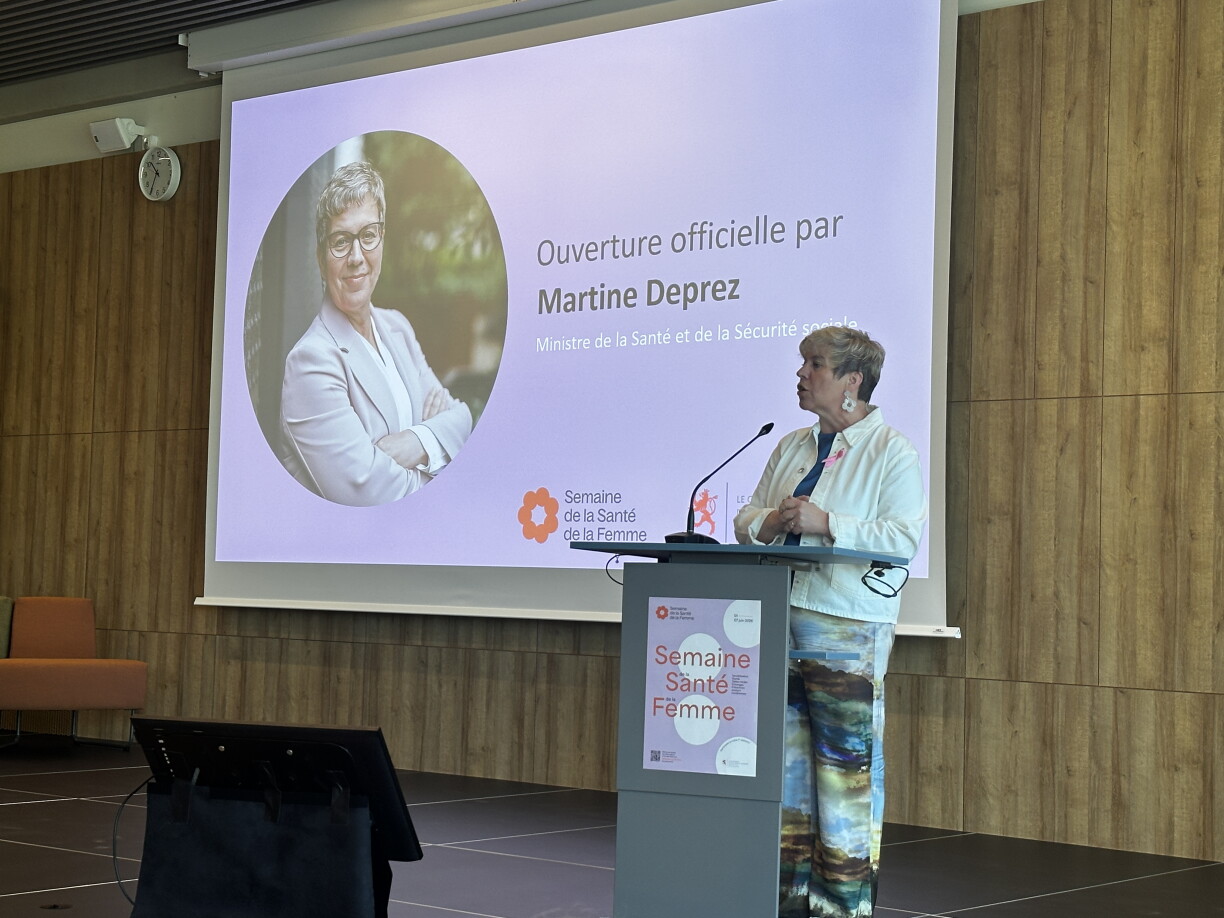
The issue is also gaining traction in Luxembourg. In 2024, a petition calling for more workplace flexibility for women with endometriosis gathered enough signatures to be debated in the Chamber of Deputies. The condition was also one of the topics covered during the first edition of Women's Health Week. The Ministry of Health is currently working on a network of expertise designed to better support patients from diagnosis through treatment, explains Health Minister Martine Deprez. The aim is to improve recognition of the disease and offer those affected more coordinated care.
For many women, talking openly about the condition matters, as does pushing back against the idea that extreme menstrual pain is simply normal. As de Mattos puts it: "Having endometriosis does not mean you cannot live." With more attention, understanding and support, the road can be made a little easier for those affected.





