
For years, doctors in specialist training, known in French as "médecins en voie de spécialisation" (MEVS), have been calling for better working conditions and clearly defined rules in Luxembourg. Last year, the government responded to that demand by announcing a unified status for MEVS.
Following lengthy negotiations, agreement has now also been reached on the content of the new framework. For the roughly 250 young doctors who completed their medical studies abroad and are currently carrying out their specialist training in the Grand Duchy, the new status is expected to bring a number of improvements.
Working shifts, assisting in operating theatres, and monitoring patients: junior doctors carry major responsibilities. However, their pay does not reflect this, according to the Luxembourg Association of Doctors in Specialist Training (ALMEVS).
In Luxembourg, young doctors currently earn less than in Germany, with pay amounting to around €4,000 gross in the first year, according to ALMEVS.
The association had called for pay to be aligned with the state's A1 career path. While that demand was not retained in the negotiations, the new agreement should at least place remuneration slightly above what is paid in neighbouring Germany, according to ALMEVS co-president Dr Lisa Zangarini, who did not specify an amount.
Working hours are also set to improve. According to Zangarini, many MEVS in hospitals currently work an average of 60 to 80 hours per week over the course of a year.
She said it was important to align the rules with European law and set a maximum average working week of 48 hours. This would not only benefit young doctors, but also patients.
Zangarini stressed that when doctors work an average of 80 hours a week, fatigue inevitably sets in. Fatigue can lead to mistakes, she said, which is not in patients' interests.
It remains unclear, however, how compliance will be monitored in future, she explained. This still needs to be clarified with the Luxembourg Hospital Federation (FHL) and the relevant ministries, according to Zangarini.
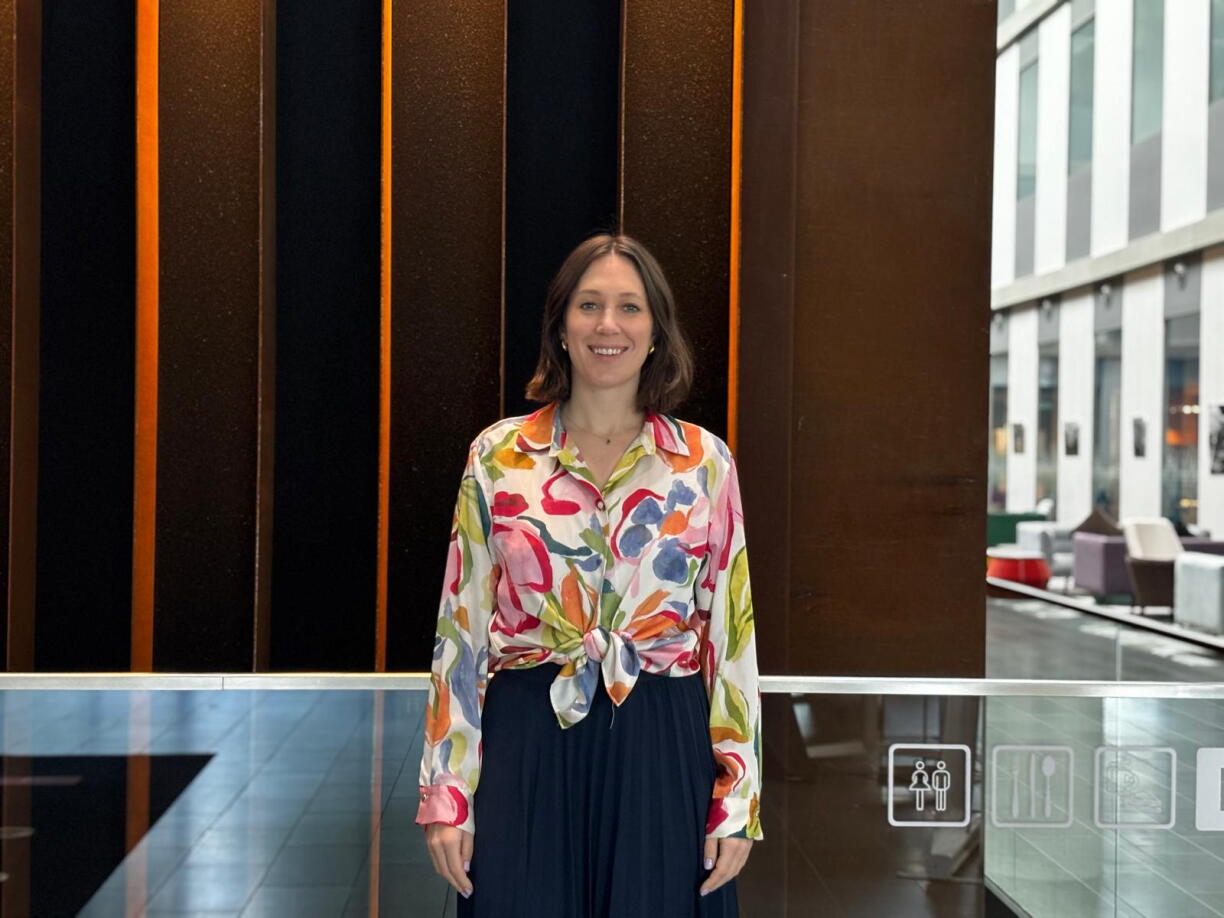
Beyond working conditions, Zangarini also sees room for improvement in research and continuing education. She explained it has now been agreed that more time will be set aside during MEVS training for research and further training.
She described this as an important step towards giving young doctors the opportunity to conduct research in Luxembourg during their training, while also allowing them to pursue other courses and professional development, with a dedicated budget for that purpose.
At present, around one third of Luxembourgish doctors do not return to the country after studying abroad. The sector lacks new recruits in all fields, with the greatest need in general practice, according to ALMEVS.
With a unified status and changes to the legal framework, the hope is to make Luxembourg more attractive to young doctors and help address the shortage in the sector.





