
The police cannot solve all problems alone, Peters said, but more resources and personnel are already starting to show results.
Peters said the government has given the police substantial support, building on measures begun under the previous administration. He pointed to positive trends in burglary, theft and robbery, which he credited to a stronger police presence and the proactive work of plain-clothes units from the Judicial Police.
Certain crimes, particularly violent offences, are rising, however. "This concerns us, and we clearly need to react," he said.
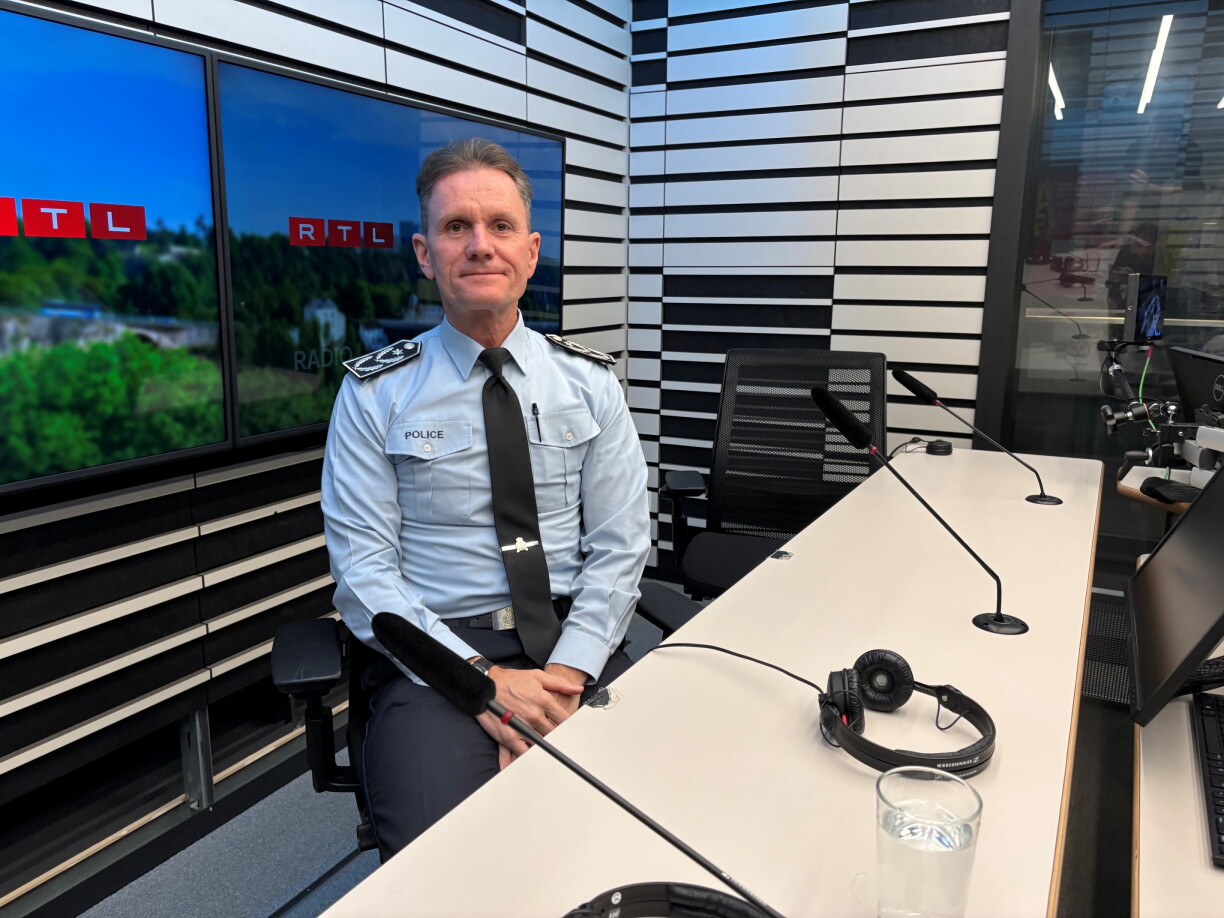
Peters repeated comments he made at the Police Day celebrations for St Michael's Day, saying many security challenges have their roots in "deeper social problems". He said it is important to consider what the police can realistically achieve, and whether other measures or legislative changes are needed. "Otherwise, we are only putting a plaster on an open wound", he said.
Responding to calls from the Alternative Democratic Reform Party (ADR) to publish data on the nationality of offenders, Peters said nationality is "not relevant" for police operations.
The police analyse crime mainly by geography, he said, to adapt prevention campaigns and interventions. A link between crime and nationality could theoretically be studied, but any analysis would need to account for other factors, including socio-economic background, to be meaningful.
He also rejected the idea that offenders are routinely arrested and released the next day, calling it "overly simplistic". He praised the cooperation between police, prosecutors and investigating judges. Peters welcomed the government's proposed fast-track court procedures, arguing they would shorten the time between an offence and its resolution and could strengthen the deterrent effect.
Peters gave a broadly positive review of the new tools available to officers. The impact of the expanded dispersal order ("Platzverweis renforcé") is hard to measure, he said, because it is often issued as a verbal warning. Fifteen formal exclusion orders have nonetheless been imposed, which streamlines later procedures and works well against public disturbances.
He linked body-worn cameras to a noticeable drop in insults and resistance against officers. Tasers, currently carried only by specialised teams, have been fired just two or three times but drawn about fifteen times, a show of force that may itself deter.
Looking ahead, Peters said providing enough facilities for the additional staff is a challenge. Plans for more personnel and related building projects have been in place for some time, but such projects "take an enormous amount of time", he said. In the meantime, several police administrative departments have had to relocate across multiple sites, which he described as far from ideal.


