Breast cancer is the most common type of cancer among women in Luxembourg. Treatment frequently involves a mastectomy and subsequent reconstructive surgery.
Silicone implants may not last forever, and the National Health Fund (CNS) is meant to reimburse further surgery to fix defective implants.
However, in some cases the reimbursement is refused, as it is not deemed "useful or necessary". The impact of such a decision can negatively affect patients who have already battled a difficult illness, as was the case for Anne-Marie Reiser.
Anne-Marie Reiser was diagnosed with breast cancer in 2017, along with 481 other women in Luxembourg. Although she received successful treatment, Reiser has since had to fight decisions made by the CNS regarding her aftercare, but now the Social Security Arbitrary Court has ruled in her favour.
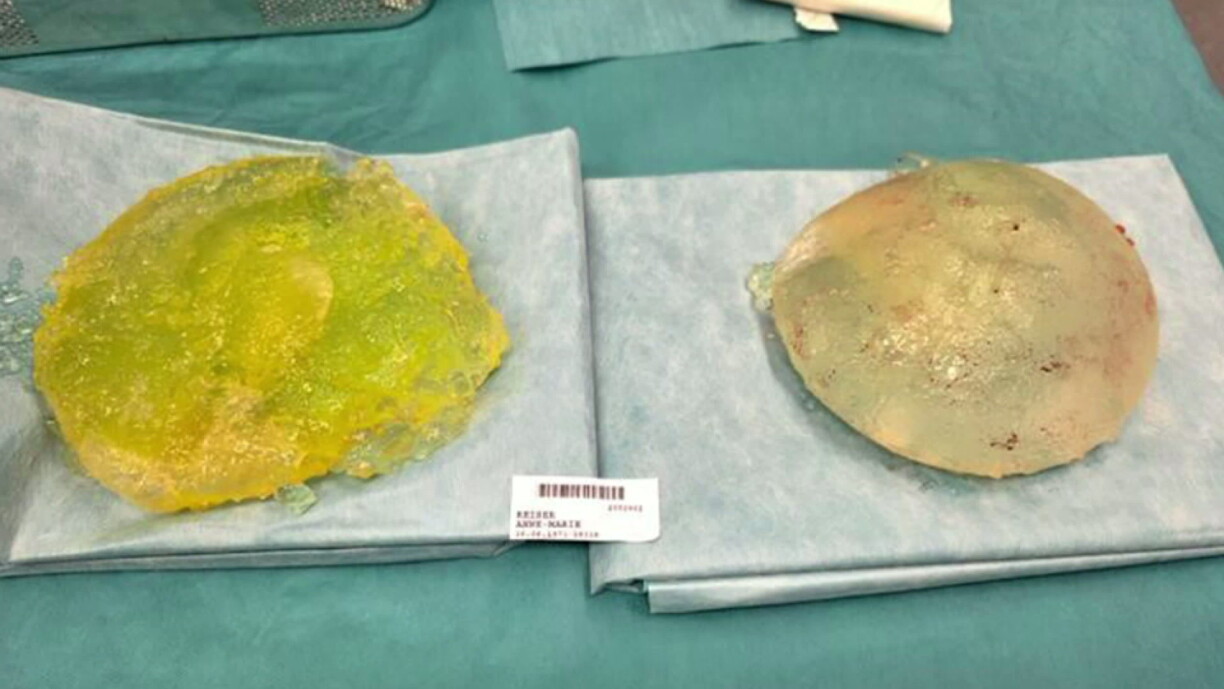
The issues arose when an MRI revealed that one of her silicone breast implants was no longer intact, nine years after Reiser underwent a mastectomy and double breast reconstruction surgery.
Only the encapsulation, or the thin layer of tissue that has formed around the implant, was preventing the silicone from leaking out. But for health insurance purposes, or for medical control, an intervention here was deemed neither "useful nor necessary".
The official medical control document was rather insensitive, demanding evidence showing "how an intracapsular rupture of this prosthesis represents a danger to the health of the protected person".
Reiser did not want to wait, and opted to have surgery to remove the faulty implant without receiving the go-ahead from the CNS. During the surgery, the silicone stuck to the surgeon's gloves. She had both breast implants fixed at the same time, as it was discovered that the second implant was also no longer intact.
Reiser paid €9,000 out of her own pocket for the surgery, in addition to her legal fees.
Six months after the court ruling, it was confirmed that the National Health Fund had agreed to refund the surgery, but only for one implant. The CNS said they considered the second implant to be "cosmetic surgery".
As a cancer patient with a genetic antecedent, Reiser was therefore denied the urgency of surgery. She said she was prepared to continue fighting the case so that other women in her situation would not go through the same experience.
RTL Journal will cover the ministerial reaction to this case, as well as criticisms from the European Breast Cancer Coalition, Europa Donna, on Tuesday evening.