"The climate subsidies were introduced in 2022 and will continue until 2025. They include the entire range of projects involved in the energy transition. This includes energy renovation projects, but also technical installations, such as heating, ventilation, and production of renewable energy", explained climate agency director Fenn Faber in conversation with RTL.
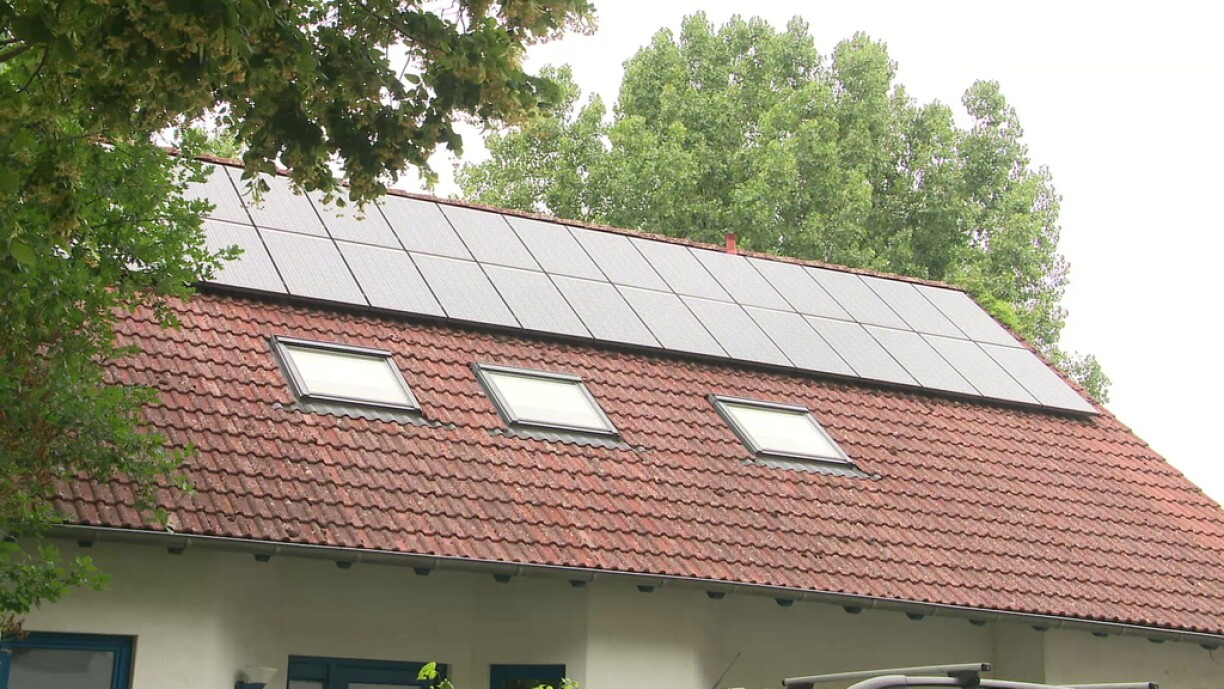
In concrete terms, this means that up to 65.2% of costs for photovoltaic installations will still be subsidised by the government until the end of the year. From January 2024, this will fall to 50%.
Support for energy renovations will also decrease by 25%. People still looking to benefit from the measure will have to get an agreement in principle by 31 December. These subsidies, which are square-metre based and linked to the nature of the renovation work, will then continue at a lower rate.
People looking to replace their old heating with a sustainable alternative will receive an extra 50% bonus on top of the usual subsid until the end of the year. Beyond the January deadline, the bonus will go down to 30%.
According to Sarah Juchems from the climate agency's consulting service, the tax advantages, including the 3% VAT reduction on photovoltaic installations, as well as deductions from self-produced electricity (depending on the size of the installations) remain valid in future. On the agency's website, people can calculate how much support they can get for different undertakings.
At-home installation support for electric terminals were initially scheduled to expire in the summer. However, they will also continue until the end of 2024, meaning people can still file a request regardless of whether they live in a house or apartment.
"Electric terminals at home are subsidised up to 11 kilowatts. And that should be sufficient for at-home charging needs. Cars are plugged in for several hours. Anything beyond that is not designed for single-family homes", noted Juchems.
The government's contribution thus depends on the terminal model. Classic ones are subsidised by 50% up to a maximum of €750.
"Then there are also intelligent terminals, which have to respect certain technical conditions. Here the bonus can go up to €1,200", said Juchem.





