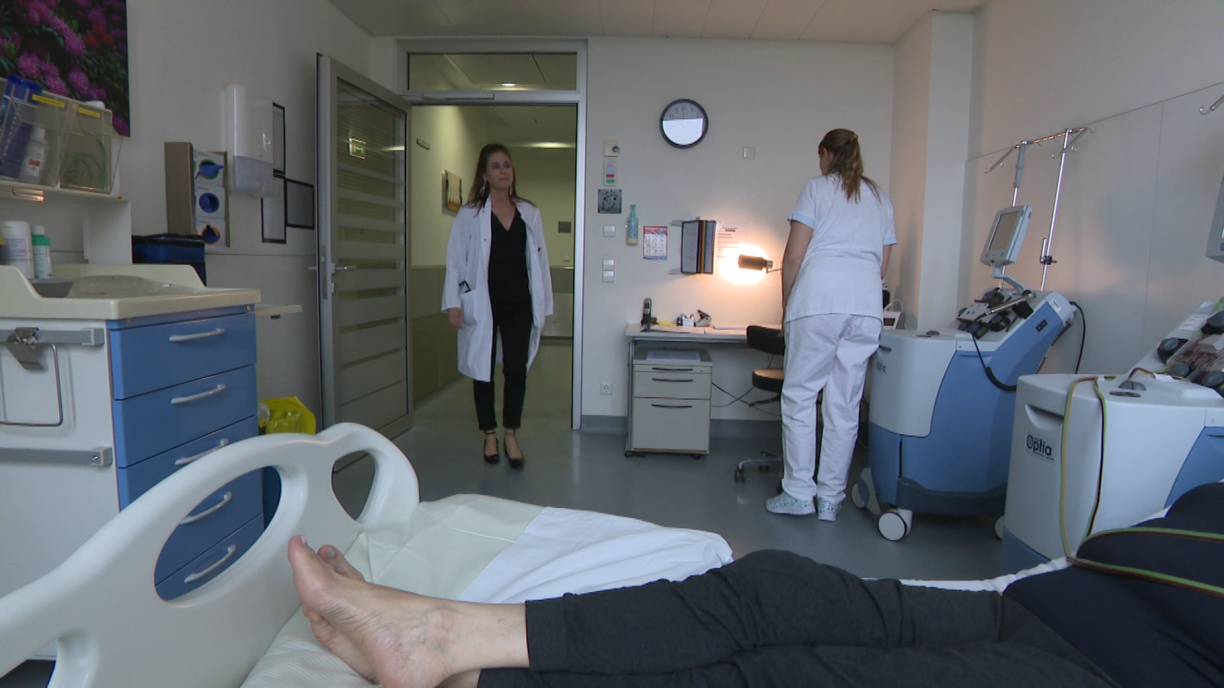
Since January, the Centre Hospitalier de Luxembourg (CHL) has been offering CAR T-cell treatments for certain types of blood and lymph gland cancers. CAR T-cells are genetically modified white blood cells designed to combat cancer more effectively.
The process begins with a cancer patient providing a sample of lymphocytes at CHL. These white blood cells, which play a vital role in fighting the disease, have receptors capable of recognising and binding to cancer cells. Dr Sigrid De Wilde, head of the haematology-oncology department, explains that lymphocytes activate other immune cells and release toxic substances to attack cancer cells, while generally sparing normal cells.
However, cancer cells can evolve to evade detection by lymphocytes. To counter this, the patient's lymphocytes are sent to a specialised laboratory in Amsterdam, where they are genetically modified and multiplied, becoming CAR T-cells. This process takes 21 days. Once the CAR T-cells are ready, they are returned to Luxembourg and administered to the patient following chemotherapy.
Currently, only four patients in Luxembourg have received CAR T-cell therapy. Due to its novelty and potential severe side effects, the treatment is presently offered only to individuals in good health who have not responded well to other treatments. For these patients, CAR T-cells can provide new hope.
Dr De Wilde reports that about 70-90% of leukaemia patients initially respond well to the treatment, with approximately half surviving over a five-year period. For lymph gland cancer, 40% of patients are considered cured after five years.
Internationally, CAR T-cell therapy is also being utilised to treat certain cases of myeloma, a type of cancer that originates in the bone marrow. Looking ahead, this technique has the potential to be expanded to treat solid tumours as well. Additionally, Dr De Wilde notes that CAR T-cell therapy could eventually be applied to autoimmune diseases such as lupus and multiple sclerosis.
To be authorised to offer CAR T-cell treatments, the CHL had to undergo a rigorous process and meet specific quality criteria.
Full report by RTL Télé (in Luxembourgish)





