Luxembourg is poised to proceed with substantial, long-term investments in national infrastructure.
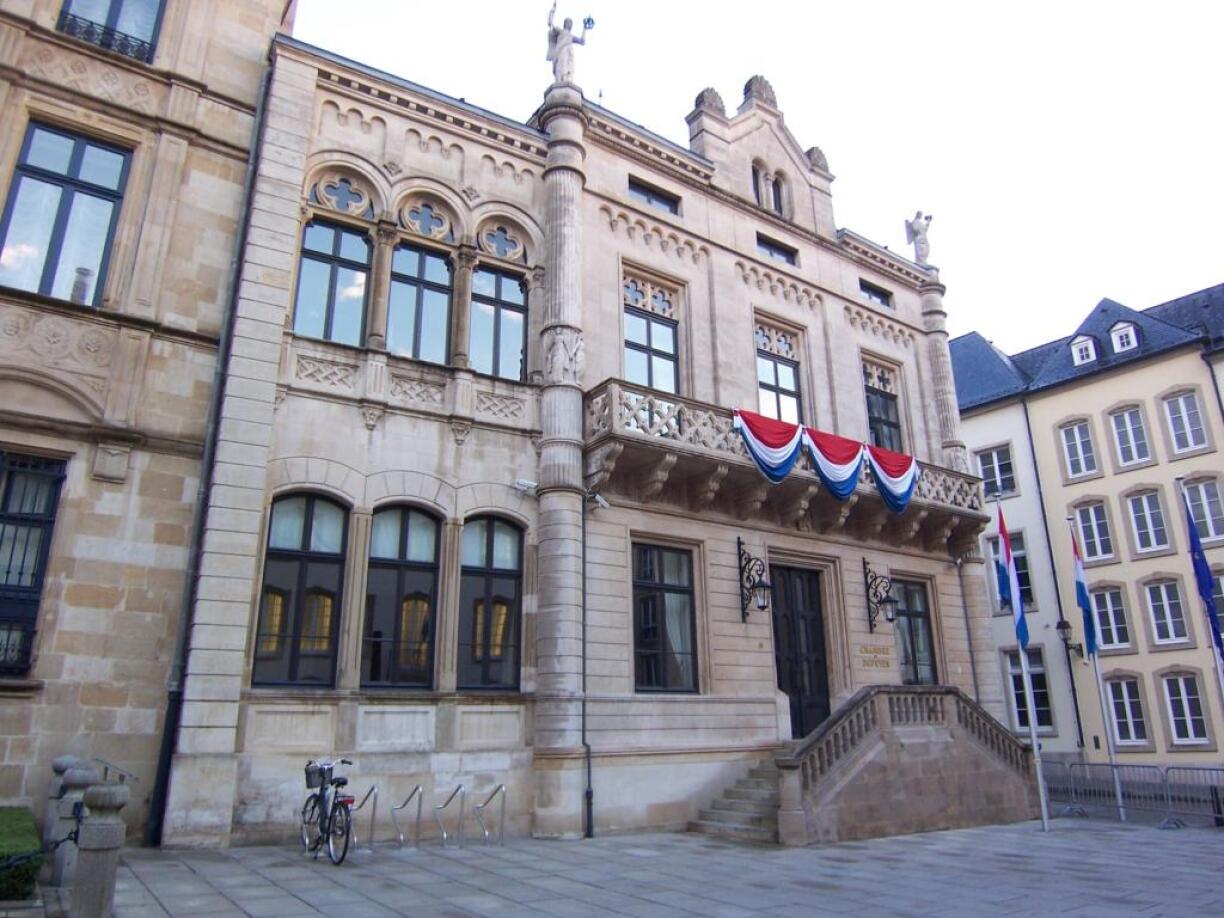
On Wednesday, the Chamber of Deputies held a policy debate on financing a new wave of major public works. While unanimous on the necessity of the investments, lawmakers across party lines acknowledged persistent challenges in the country's construction processes.
The proposed projects, which range in estimated cost from €15 to €60 million, include the redevelopment of Troisvierges station, new transport hubs in Erpeldange and Echternach, the renovation of the Coque sports centre, a new 24/7 police station in Esch-Raemerich, upgrades to the Nic Biever secondary school in Dudelange, and the addition of a boarding house at the Edward Steichen secondary school in Clervaux.
Execution will fall to national agencies such as the Luxembourg National Railway Company (CFL), the National Roads Authority, and the Public Buildings Administration. MPs must now grant approval to commission the detailed studies required before construction can begin – a first step that signals many of these projects are still years from completion.
Given these extended timelines, several parliamentarians, including MP Yves Cruchten of the Luxembourg Socialist Workers' Party (LSAP), called for an acceleration of the planning and construction phases to deliver the infrastructure more swiftly. For any single project exceeding the €60 million threshold, a separate special financing law will be required at a later stage.
The policy debate coincided with the International Day of Persons with Disabilities, a point raised by the session's rapporteur, MP Corinne Cahen of the Democratic Party (DP). She argued that the needs of disabled people must be a central consideration in all new infrastructure planning. Cahen stressed that their lived realities differ significantly and that projects must account for these, citing the necessity of wheelchair-accessible buses and toilets in public facilities.
MP Michel Lemaire of the Alternative Democratic Reform Party (ADR) used the occasion to call for greater attention to preserving Luxembourg's cultural heritage within new developments, highlighting the planned integration of the old facade into the new Ettelbruck station as a positive example.
A separate point of contention was raised by Pirate Party MP Marc Goergen, who criticised an apparent disparity in tram funding. He expressed outrage that the state is fully financing the high-speed tram in the South, while the municipality of Luxembourg City contributed to the capital's tram line. "It is not acceptable for there to be double standards between the country's municipalities," Goergen stated, arguing for a uniform national policy where the state either fully funds all municipal tram access or requires all municipalities to share the costs.
This argument did not gain majority support. A motion to that effect was rejected, with opponents contending that imposing a single rule would be impractical given the vastly different financial capacities of Luxembourg's municipalities.
Despite these debates, the overarching list of major construction projects was adopted unanimously by the Chamber of Deputies.





