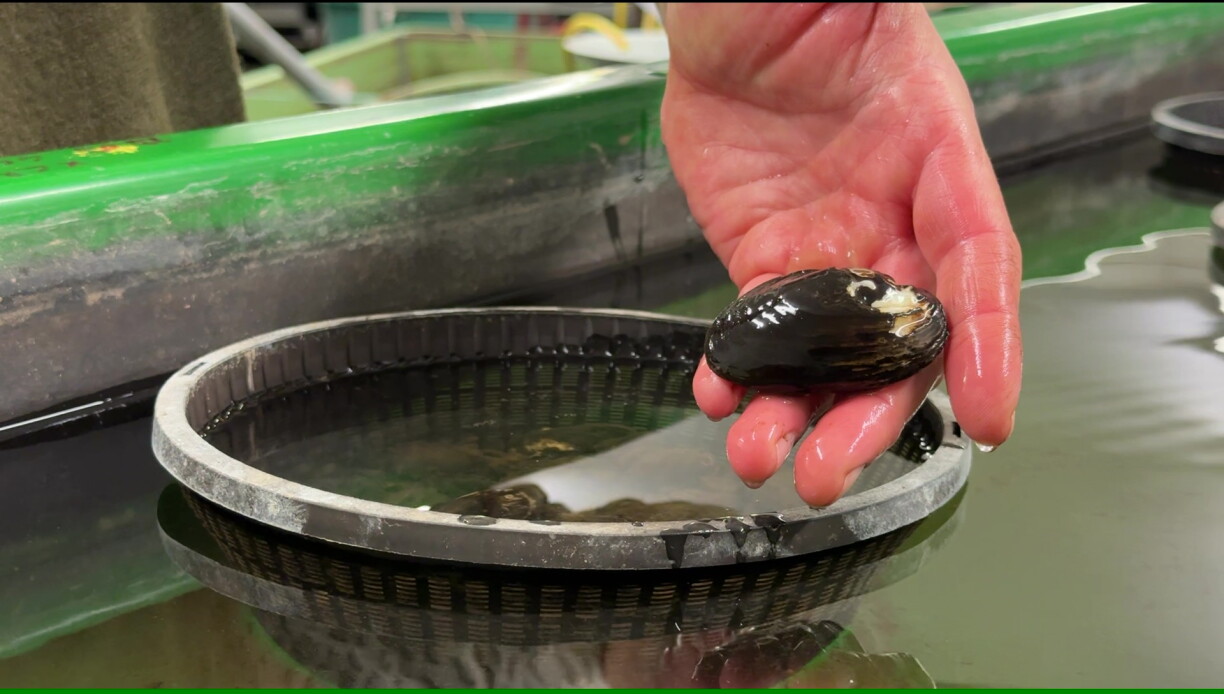
A freshwater mussel breeding station in Kalborn, northern Luxembourg, is working to save these highly vulnerable creatures from the brink of extinction.
In the heart of the Our Valley, an estimated 15,000 freshwater mussels currently inhabit the river, playing a vital but often overlooked role in the local ecosystem.
"Mussels play a major role in the ecosystem because they feed by filtering the water. They purify it for free, expecting nothing in return," explains Michel Frisch, an environmental technician at the Kalborn facility.
However, decades of human activity have pushed these populations to the brink. Frisch, who trained as a fish farmer, outlines the primary threats:
"Today, they're in danger because of water quality, but above all because of sedimentation. Rain carries mud and other waste into the water, preventing the mussels from feeding in the gravel."
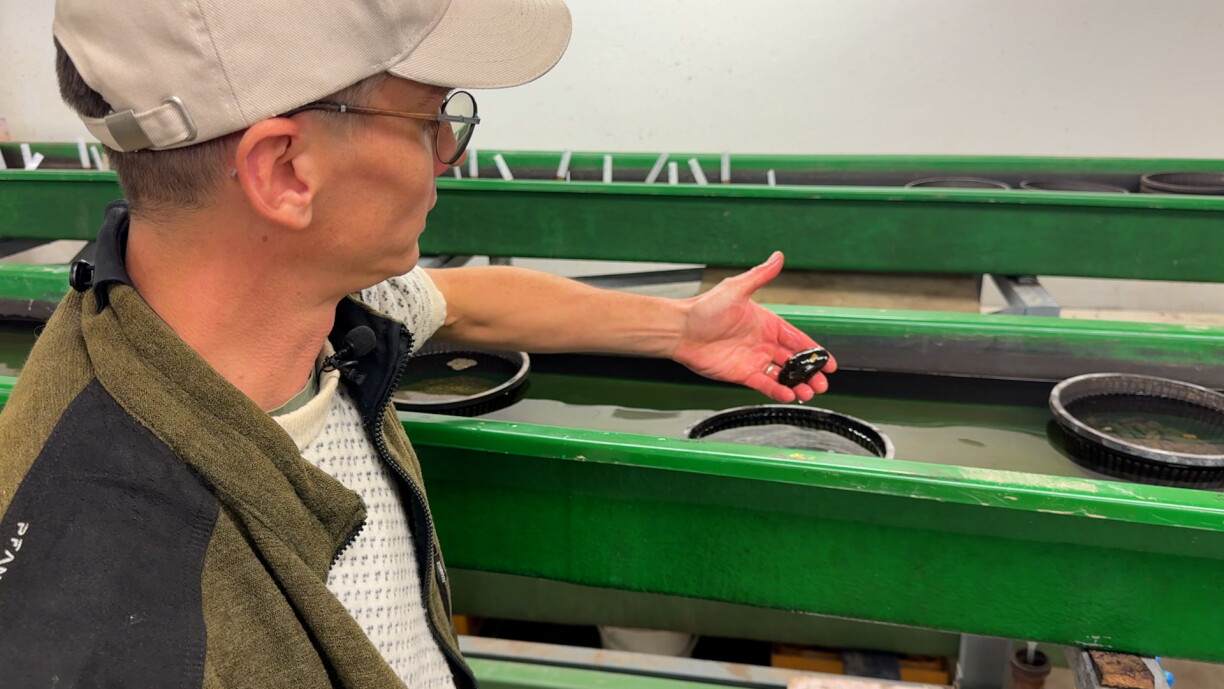
More than a century ago, the thick-shelled river mussel – one of the two species bred at the station – was abundant in Luxembourg, with several hundred thousand inhabiting nearly every watercourse in the country. Today, their populations are restricted to the Our, Sûre, and Eisch rivers. The station's second focus, the freshwater pearl mussel, faces an even more severe threat of extinction.
To address this critical situation, the historic Kalborn Mill was renovated in 2008 and transformed into the current breeding station. The initiative is supported by the Hëllef fir d'Natur foundation, which acquires land to protect local biodiversity.
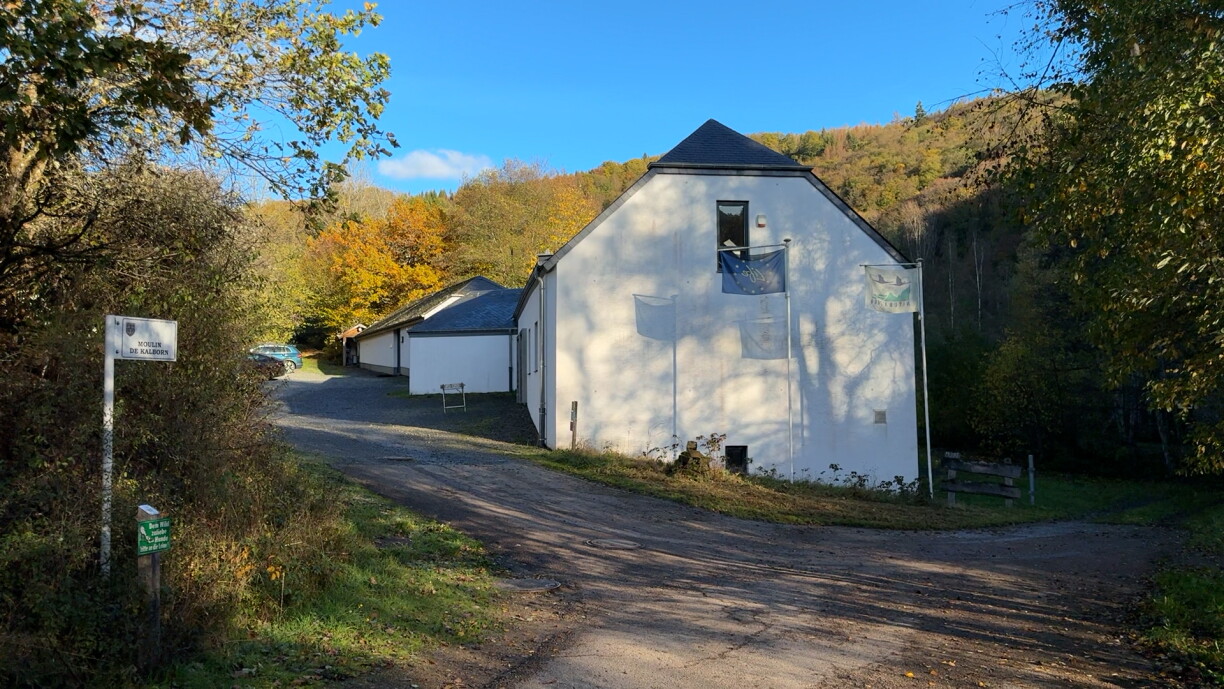
"On average, we release between 2,000 and 5,000 thick-shelled river mussels into waterways in Luxembourg each year. Others are released in Belgium and Germany," Frisch notes.
These fragile creatures struggle to survive and multiply naturally during their early years. For instance, the freshwater pearl mussel cannot currently be reintroduced into Luxembourg's waterways due to insufficient water quality.
"We began releasing our thick-shelled river mussels into the Our in 2017. At first, it was 200 to 300 a year. Today, we release more than 3,000," Frisch explains.
This output is expected to increase in the coming years, as the facility has the capacity to house between 50,000 and 100,000 specimens.
"We don't breed freshwater mussels specifically to purify waterways. Although that is very useful, we do it above all to ensure their survival and prevent them from disappearing," the environmental technician adds. Ultimately, improving overall water quality remains essential to ensure these mussels can thrive independently in the long term.
Before being released into their natural habitat, freshwater mussels spend at least two years at the station, with the initial phase taking place indoors.
The process begins with adult reproduction, producing larvae known as glochidia. To develop, these larvae must attach to the gills of a specific "host fish," which varies by mussel species.
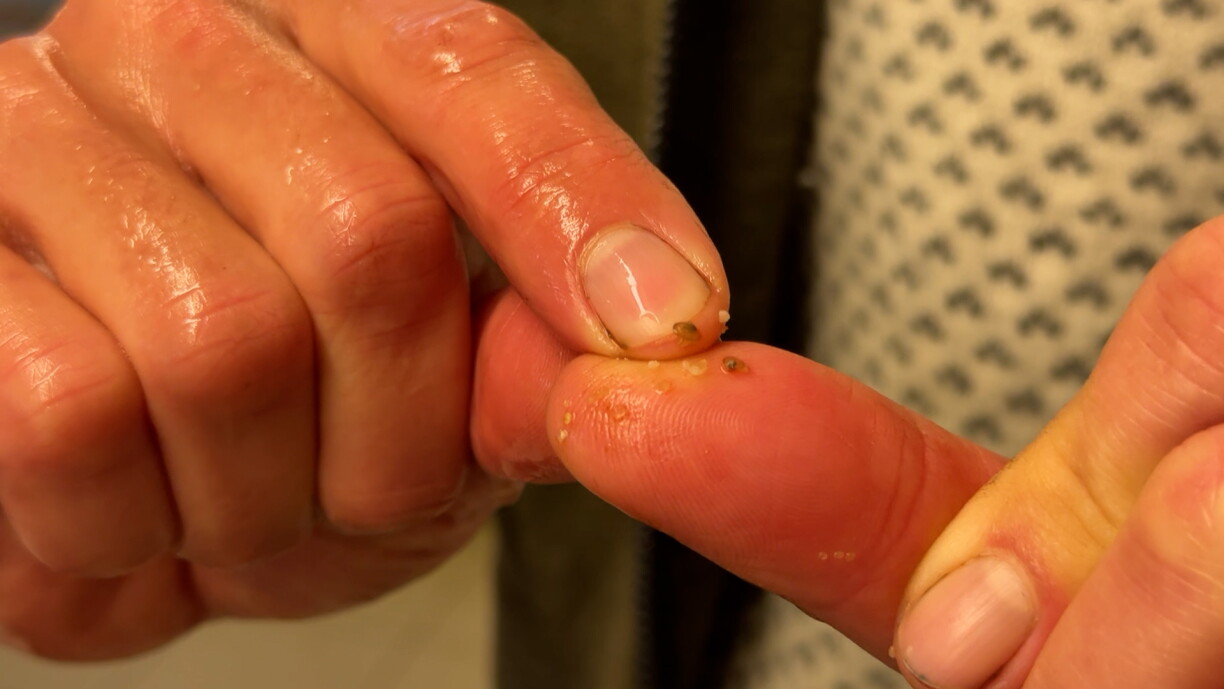
Once detached from the fish, the juvenile mussels are sorted and counted under a microscope. At this stage, measuring just 0.2 to 0.5 millimetres, they are invisible to the naked eye.
The juveniles are then transferred to controlled aquarium environments. "We have 140 aquariums that can each hold between 100 and 150 mussels, along with 12 larger tanks and several channels capable of holding 5,000 to 10,000 specimens," Frisch explains.
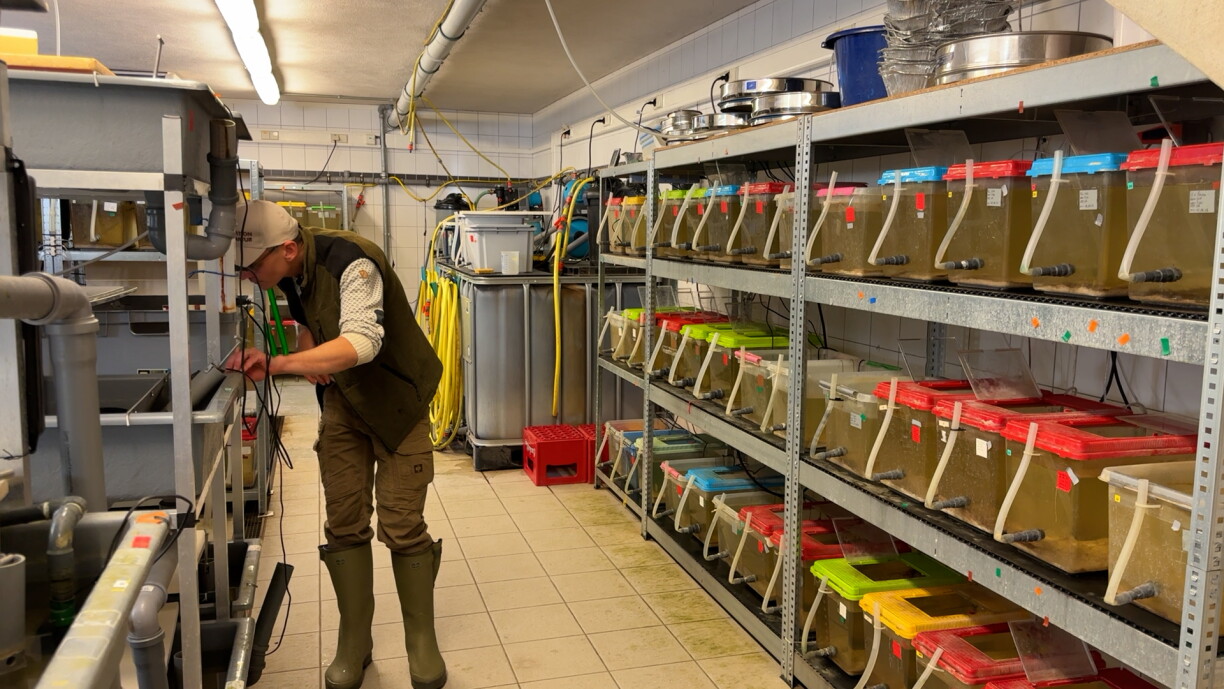
They remain in these controlled conditions for about a year, fed twice daily. Even after several months, they grow to no more than one centimetre in length.
Next, they are moved outdoors to a specially prepared stream. Here, they are placed in gravel boxes to acclimate to natural conditions before their final release into regional waterways. The timeline differs by species; the freshwater pearl mussel, for instance, requires two to three years in the aquarium phase.
The Kalborn facility is unique in Luxembourg and remains a rarity across Europe.
"There are only three stations of this kind in Europe: one in Brasparts, Brittany (France), another in Hof (Germany), and ours. We maintain regular contact with them," Frisch notes.
In addition to its conservation work, the station offers guided tours for groups and school classes upon request. A dedicated information room educates visitors about Luxembourg's protected areas, the different species of freshwater mussels, and their historical presence in the country.
It serves as a vital educational resource, highlighting an often-overlooked creature that is just as essential to the ecosystem as its more famous marine counterparts.


