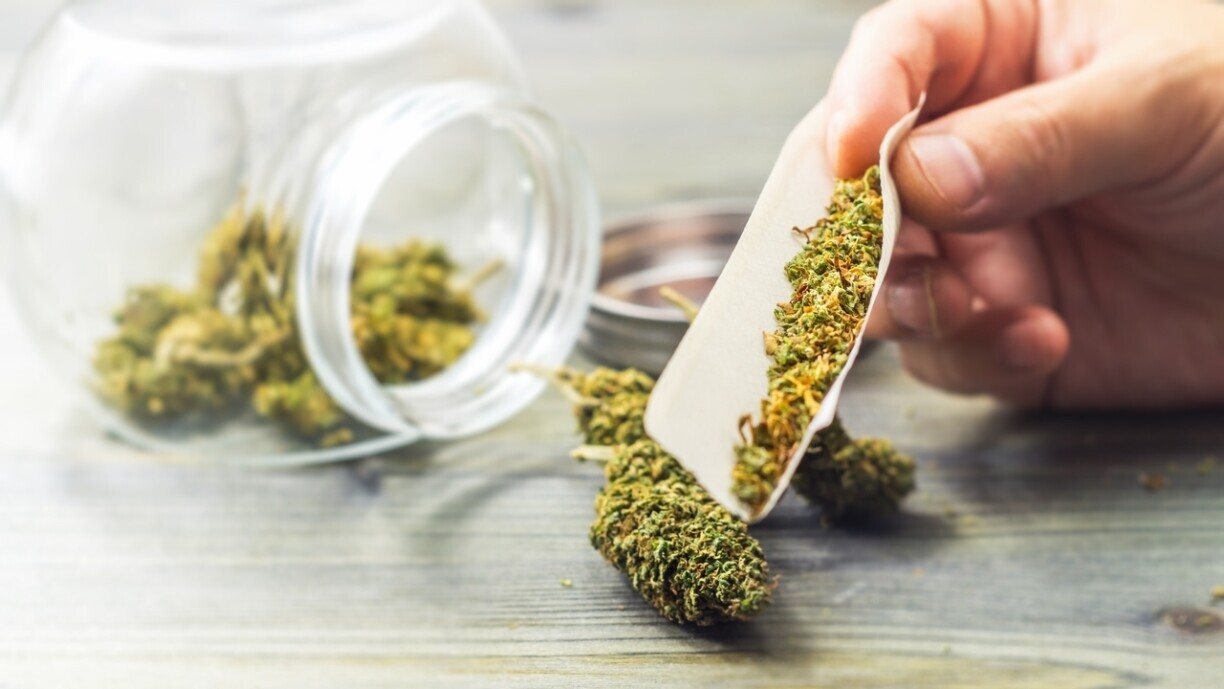
Cannabis remains Luxembourg's most widely used drug, with nearly 15% of adults using it in the past twelve months. Other substances, including cocaine and MDMA, are also on the rise, according to this week's national drug report.
Nadine Berndt states that cannabis and cocaine use has increased in Luxembourg in recent years, while opioid consumption has decreased. Wastewater monitoring data reflects these changes, offering insight into the substances in circulation in the country.
Analyses found traces of cannabis and cocaine in almost every sample, suggesting that both drugs are readily available throughout the Grand Duchy. Other frequently detected substances included ketamine, which appeared in around 90% of samples.
The report shows that cannabis products are becoming progressively more potent, with THC concentrations continuing to rise. However, despite the legalisation of home cultivation and possession under Luxembourg's 2023 cannabis reform, there has been no significant increase in overall consumption. Only around 5% of respondents said they had used cannabis more frequently since the law changed, while most reported no change in their habits.
According to Tom Kugener, Luxembourg's drug landscape is relatively traditional compared to that of some neighbouring countries. Heroin, cocaine, and crack cocaine dominate the market, while newer stimulants and sedatives that have gained popularity elsewhere remain comparatively uncommon in the Grand Duchy.
Experts also warned about the growing threat posed by synthetic opioids. Berndt pointed out that heroin has largely been replaced by synthetics in some countries, but this has not yet occurred in Luxembourg. To date, authorities have only recorded one seizure of fentanyl.
The report also highlights the prevalence of combined drug use, particularly alcohol alongside other substances. Given how common this pattern is, it is expected that alcohol will receive greater attention in future editions of the national drug report.
Meanwhile, the number of drug-related deaths in Luxembourg has fallen significantly, dropping from 26 in 2000 to just 12 in 2024. This decline is largely attributed to harm-reduction measures, such as supervised consumption facilities, needle-exchange programmes, and opioid substitution treatment.





