In a recent inquiry to the Ministers of Health and Agriculture, Stéphanie Weydert of the Christian Socialist People's Party (CSV) referenced two recent infections in Germany, one of which was fatal.
Weydert highlighted that according to the Friedrich Loeffler Institute, up to 90 percent of human Borna virus cases are deadly. While Luxembourg’s Veterinary and Food Administration (ALVA) has not reported any confirmed infections, concerns persist due to the proximity of affected regions.
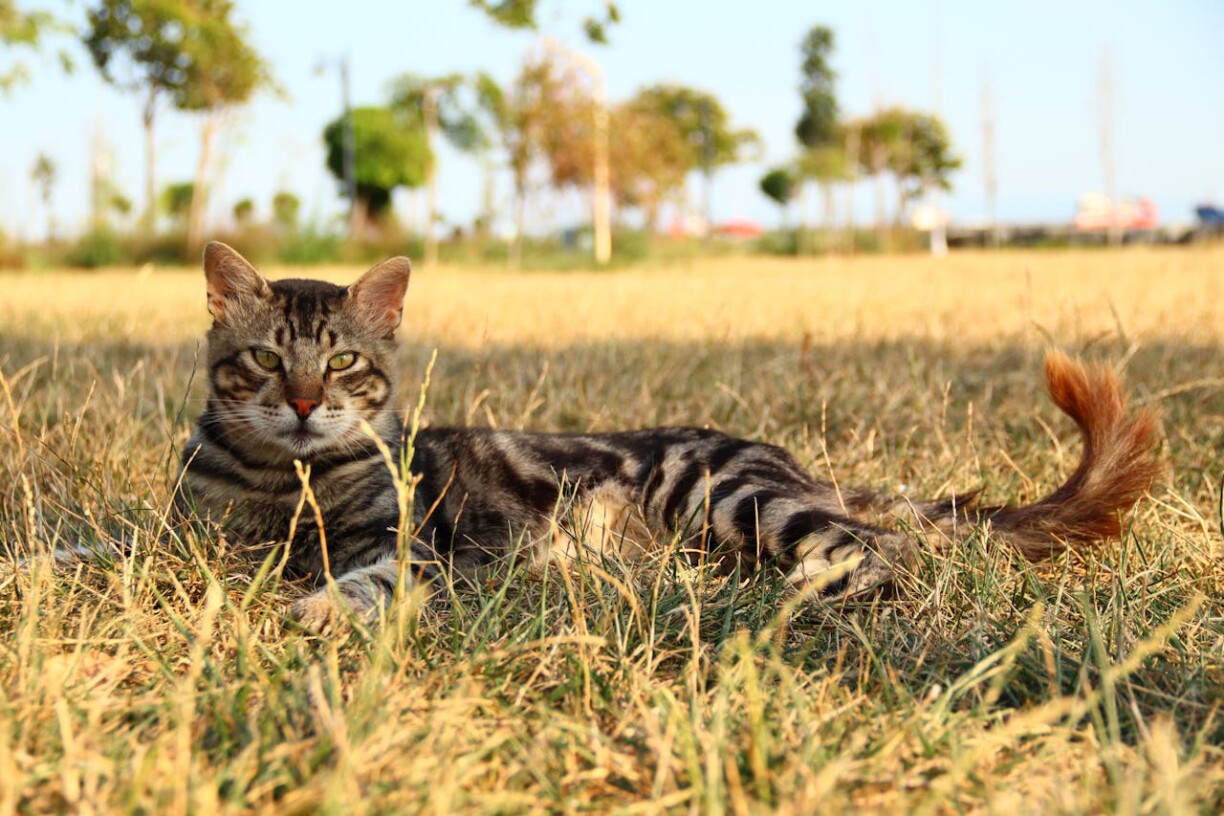
The virus hides in field shrews, who spread it through saliva, urine, droppings, and contact with skin – without falling ill. Humans and other mammals, like cats, can become incidental hosts. Cats, in particular, may pick up the virus by hunting infected shrews and may spread the virus to humans, according to the Robert Koch Institute.
MP Weydert has asked the government what specific measures are in place should the virus spread further into Luxembourg. She also requested guidance for citizens who may come into contact with deceased field shrews.
The Ministers for Agriculture and Health responded to all four of Weydert’s questions, emphasising the importance of precautionary measures and strongly urge residents in the Grand Duchy to handle dead rodents only while wearing protective gloves.
They also advised using a more robust FFP2 mask – rather than the lighter masks commonly associated with the pandemic – to reduce the risk of exposure to infectious particles from droppings in dust.
In their response, the Ministers also stated that there have been no reported cases of Borna disease to date, and that no person has been infected in the Grand Duchy.
The Borna virus causes initially mild symptoms such as headaches and fever, but can rapidly progress to severe neurological issues and fatal encephalitis. No vaccine or treatment currently exists.
Although the virus remains rare, particularly outside Bavaria and parts of Austria, Switzerland, and Liechtenstein, the Ministers urge citizens to stay alert and follow guidelines on personal protective measures.
Luxembourg does not currently classify Borna disease as a notifiable, unlike Germany – a point which may receive further scrutiny as cross-border risks increase.





