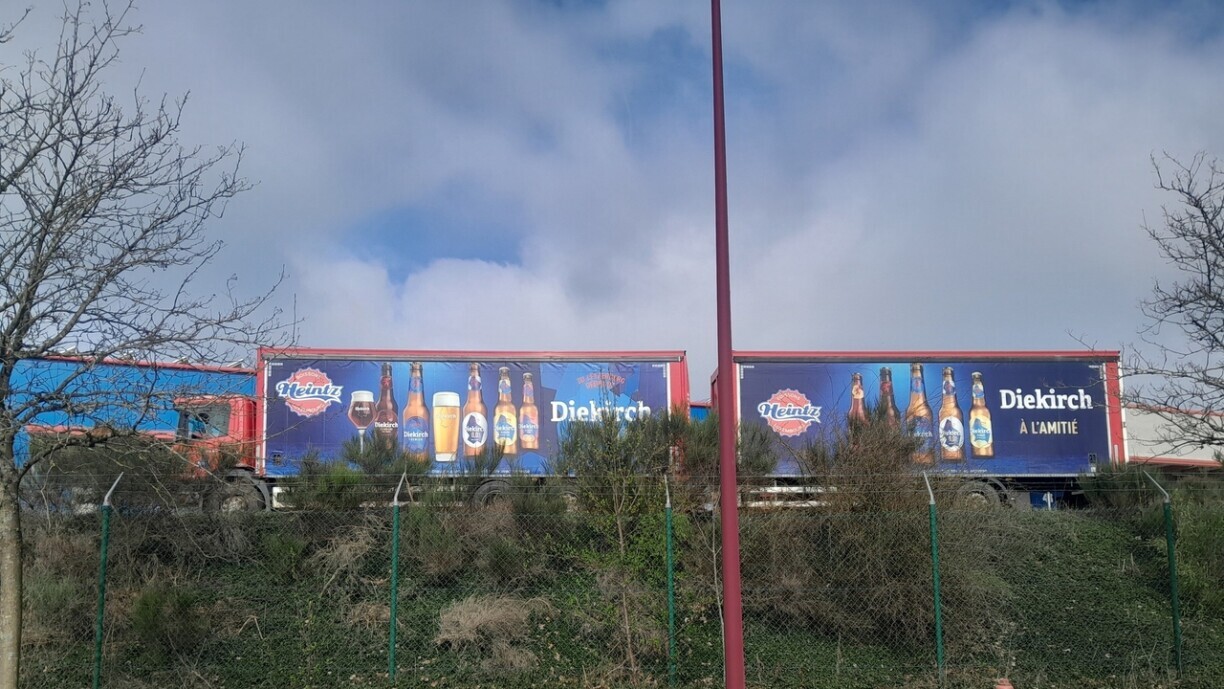
A proposed merger within Luxembourg's beverage sector has taken an unexpected turn, with Belgian brewery Brasserie Maziers set to acquire Boissons Heintz instead of its initial partner, Munhowen.
The original merger announcement two years ago between distributor Munhowen and its competitor Boissons Heintz sparked significant concern in the industry. Following complaints to the Luxembourg Competition Authority, the case was escalated to the European Commission. While the Commission ultimately authorised the merger, it imposed a critical condition: the majority of Heintz's catering activities had to be sold.
According to RTL information, the path forward is now clear. Hosingen-based Boissons Heintz is poised to become Belgian-owned. Brasserie Maziers is reported to have been selected for the acquisition in October, with the deal formally effective from 15 January. Founded in 1896 and headquartered in Bouillon, Maziers operates eight retail shops – seven in Belgium and one in Sedan, France – and employed approximately 65 people in 2024. The takeover has not yet been officially confirmed.
When questioned by RTL at the launch of Bofferding's new non-alcoholic beer, Munhowen CEO Isabelle Lentz stated the company could not comment extensively on the situation. Lentz explained that Munhowen has not yet received official communication from the European Commission and is therefore unable to make a formal statement. "However, we hope that we will be able to issue a communication sometime in the next week or in the coming weeks," she said.
The European Commission's involvement itself was a notable development. The combined turnover of Munhowen and Heintz was under €130 million, a scale typically below the threshold for EU review. Authorities intervened over concerns that the merged entity would control 80-85% of Luxembourg's beverage trade, potentially creating a dominant position that could hinder market competition. While not illegal, such market concentration requires oversight to prevent abuse.
According to information obtained by RTL, the Commission will monitor the situation closely for the next two years.





