While the sector experienced a marginal decline of just 3% in value added volume in 2020 (compared to a nearly 20% drop in the eurozone), it rebounded by 14% in 2021 (10% in the eurozone).
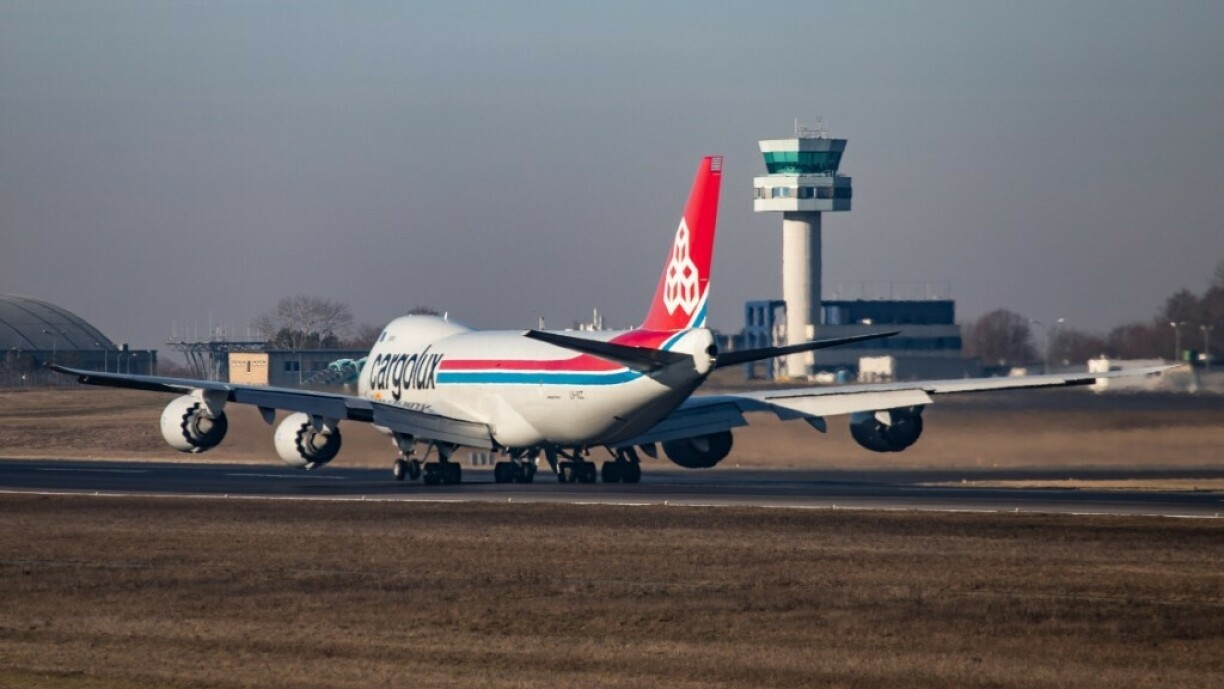
This remarkable resilience can be attributed to the robust performance of air transport, especially in the freight sector, which was boosted by the transportation of medical equipment and the temporary surge in cargo from passenger airlines that shifted their focus.
Passenger air traffic at Findel Airport plummeted in 2020, with a 70% decline compared to 2019, primarily due to the suspension of passenger travel between late March and late May.
However, it gradually recovered as restrictions eased, recording a 40% increase in 2021 and a significant 100% surge in 2022, aligning with similar trends observed across other European countries during the same period.
By early 2023, the number of passengers arriving at Luxembourg airport had reached pre-pandemic levels, signalling a return to normalcy.
The tourism sector also shows signs of recovery, with the number of arrivals in Luxembourg's accommodation establishments nearing the 2019 levels during the first five months of this year.
However, the recovery in Luxembourg appears less pronounced compared to the eurozone as a whole, where southern countries are experiencing particularly good results.
In passenger rail transport, Luxembourg witnessed a solid increase of 33%, surpassing the growth rates of France (+26%) but slightly trailing behind Germany (+44%).
In the first quarter of 2023, preliminary estimates indicate that Luxembourg's GDP grew by 2% compared to the previous quarter, while experiencing a marginal decline of 0.4% compared to the same period last year. This rebound follows a significant drop in the fourth quarter of 2022, largely attributed to the decrease in value added in the financial sector.
During the first quarter of 2023, banks in Luxembourg benefited from rising interest rates, leading to increased interest income and improved interest margins for 80% of banks, representing a year-on-year growth of 66%.
However, net fee and commission income experienced a decline of 5.9% compared to 2022. The sustained increase in interest rates significantly contributed to the banking sector's profits (before provisions and tax) and value added, with respective year-on-year growth rates of 57% and 16% in the first quarter.
In constant prices, the banking sector's value added rose by 7% compared to the previous year, while insurance companies experienced an 11% decline and ancillary activities saw a modest 2.5% increase. Overall, this resulted in a year-on-year growth rate of 3.2% in the financial sector (+5.5% quarter-on-quarter).