By the end of this year, Luxembourg will increase its defence spending from 1.3% to 2% of its Gross National Income (GNI), a goal that had originally been set for 2030. The move, announced by PM Luc Frieden in his State of the Nation address, brings Luxembourg in line with NATO's spending benchmark and makes it the final member state to announce its commitment to this level.
This sudden acceleration is largely driven by the shifting geopolitical context, particularly the arrival of a new US administration under Donald Trump. As a result, Luxembourg's defence budget must rise from the initially planned €780 million to €1.182 billion.
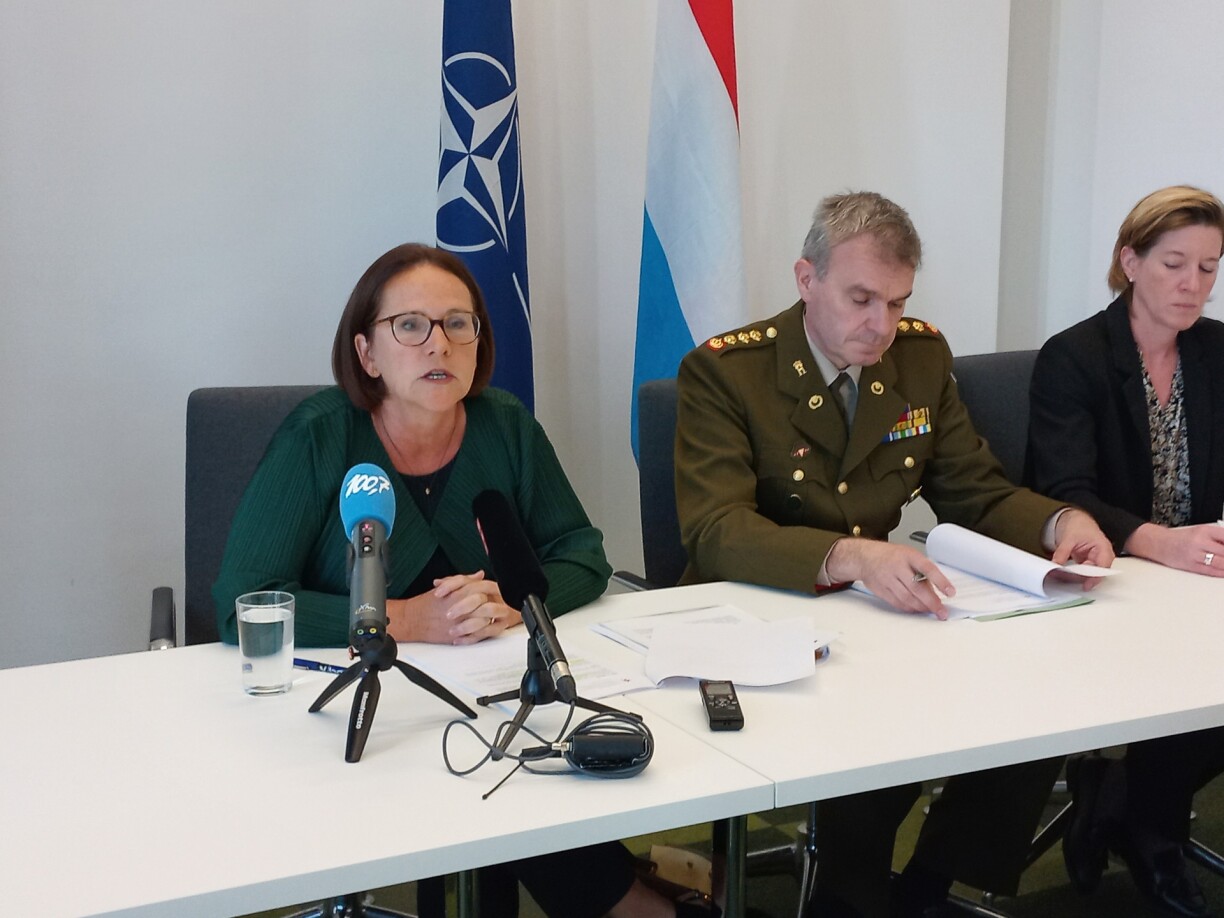
Defence Minister Yuriko Backes explained during a press conference that Luxembourg faced considerable pressure to act and that remaining isolated or stepping back from NATO solidarity was not a viable option. In her view, Europe must strengthen its defence capabilities, and according to her, Luxembourg is determined to contribute credibly and responsibly.
As a consequence, an additional €400 million will be invested this year to meet the new target. Given the urgency, these funds will focus on areas already in development.
For example, €105 million will go to the new military communications satellite GovSat-2, and €6 million will support the further development of unarmed drones. Arming drones would require legislative changes to Luxembourg's weapons law.
The support package for Ukraine will also increase significantly – from €90 million to €120 million – with a focus on placing more defence-related orders through Luxembourg-based companies. €115 million in further funding is being identified across other ministries and public bodies, aimed at reinforcing the country's defence readiness and resilience in times of crisis.
Backes underlined the importance of ensuring that defence spending generates economic returns. By strengthening the national defence industry, she said, Luxembourg cannot only boost its strategic capacity but also benefit from increased tax revenues – helping fund other key areas of public spending.
Finance Minister Gilles Roth has previously confirmed that this increase in defence expenditure will not result in higher taxes or cuts to the country's social welfare programmes.
While acknowledging that the sector will need more personnel in the coming years, Backes clarified that the current funding increase can be implemented without new staff. Given the short timeframe, avoiding immediate recruitment was a conscious choice to ensure rapid execution.
Looking to the future, Backes suggested that 2% may not be the upper limit. She said that, given the evolving security landscape, much higher levels of investment could soon become necessary. Luxembourg will face significant challenges as a result, and internal discussions within government will be crucial to determine how best to respond, according to Backes.
These issues are expected to be a central focus at the upcoming NATO summit in The Hague this June.






