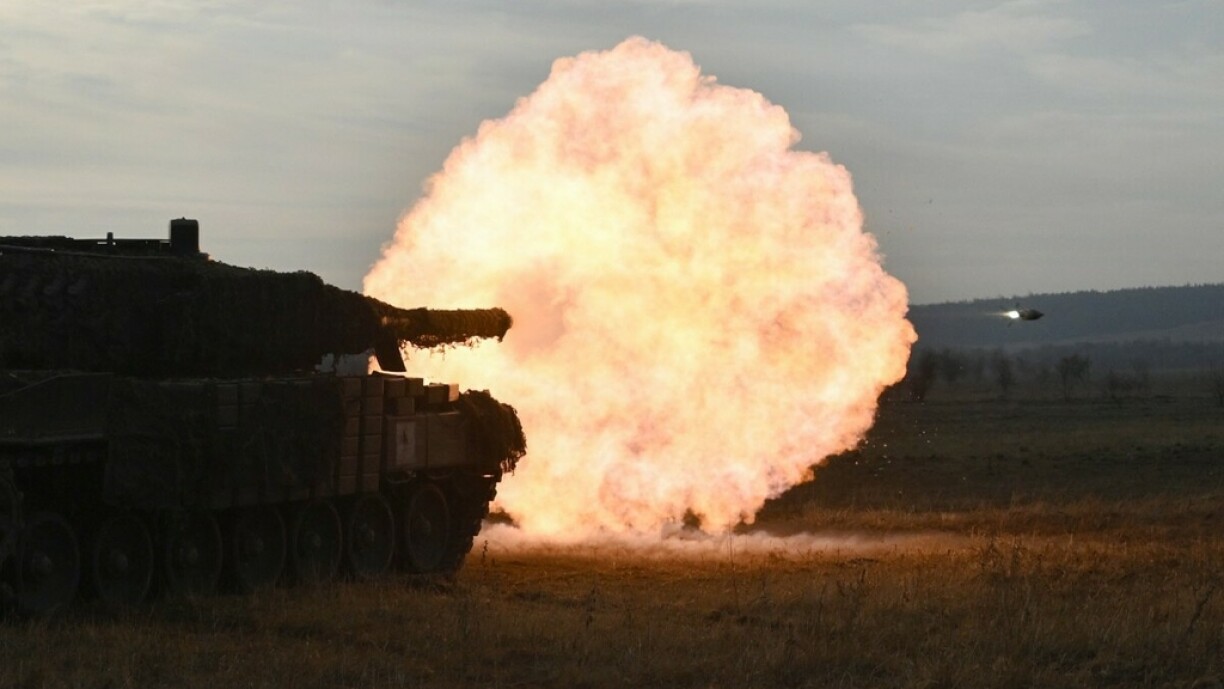
Several European countries have announced plans to increase military expenditure in the coming months.
In Luxembourg, defence spending currently stands at 1.32% of Gross National Income (GNI). As part of its NATO commitments, the Grand Duchy has pledged to raise this to 2% by 2030, which would require an additional €600 million in funding.
However, the government is now debating whether even this increase will be sufficient. A final decision on Luxembourg's stance is expected before the NATO summit at the end of June.
When asked by our colleagues from RTL.lu about the Luxembourg Army's material resources, the Ministry of Defence declined to provide specific details, citing security concerns.
However, some information is publicly available. Luxembourg has invested in an A400M military transport aircraft and is set to receive 80 new "Dingo" Command Liaison and Reconnaissance Vehicles (CLRVs) by 2026. These armoured transport vehicles are part of a €367 million package spread over 30 years.
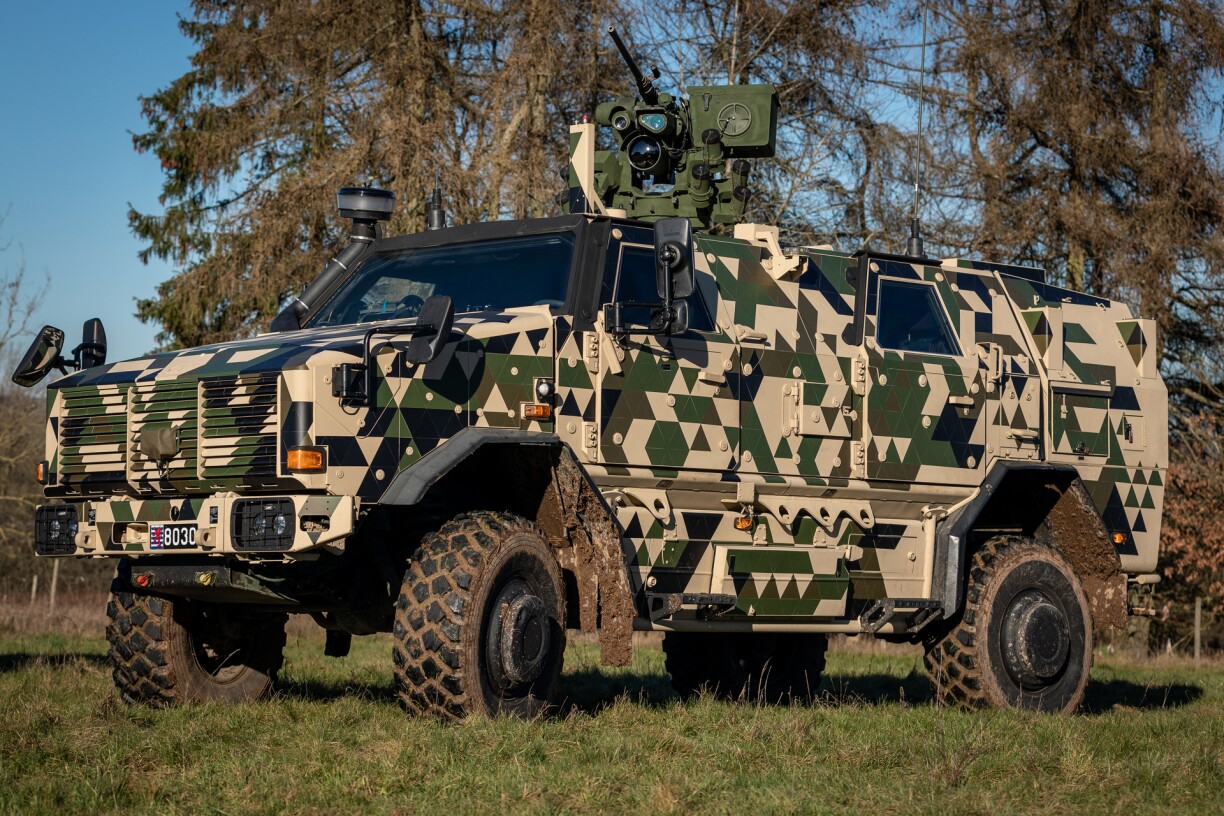
The Ministry of Defence did not disclose the potential costs of acquiring tanks or drones, explaining that prices vary significantly depending on factors such as the type of equipment, specific needs (e.g., armour, communication systems), and the quantity ordered. The ministry emphasised that there are no publicly available price lists for such military assets.
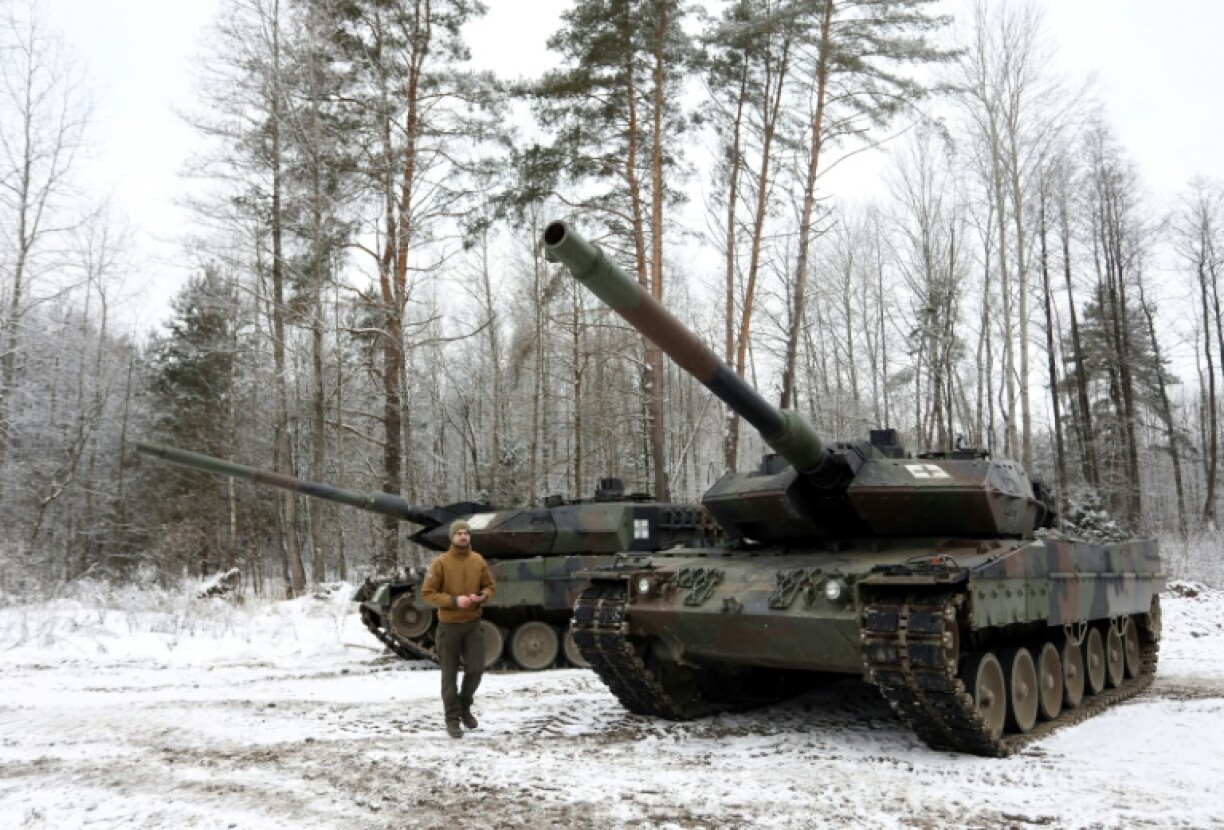
The German military acquired 105 Leopard 2A8 tanks for €2.93 billion, averaging approximately €27.9 million per tank. Prices for such models typically range between €20 million and €30 million.
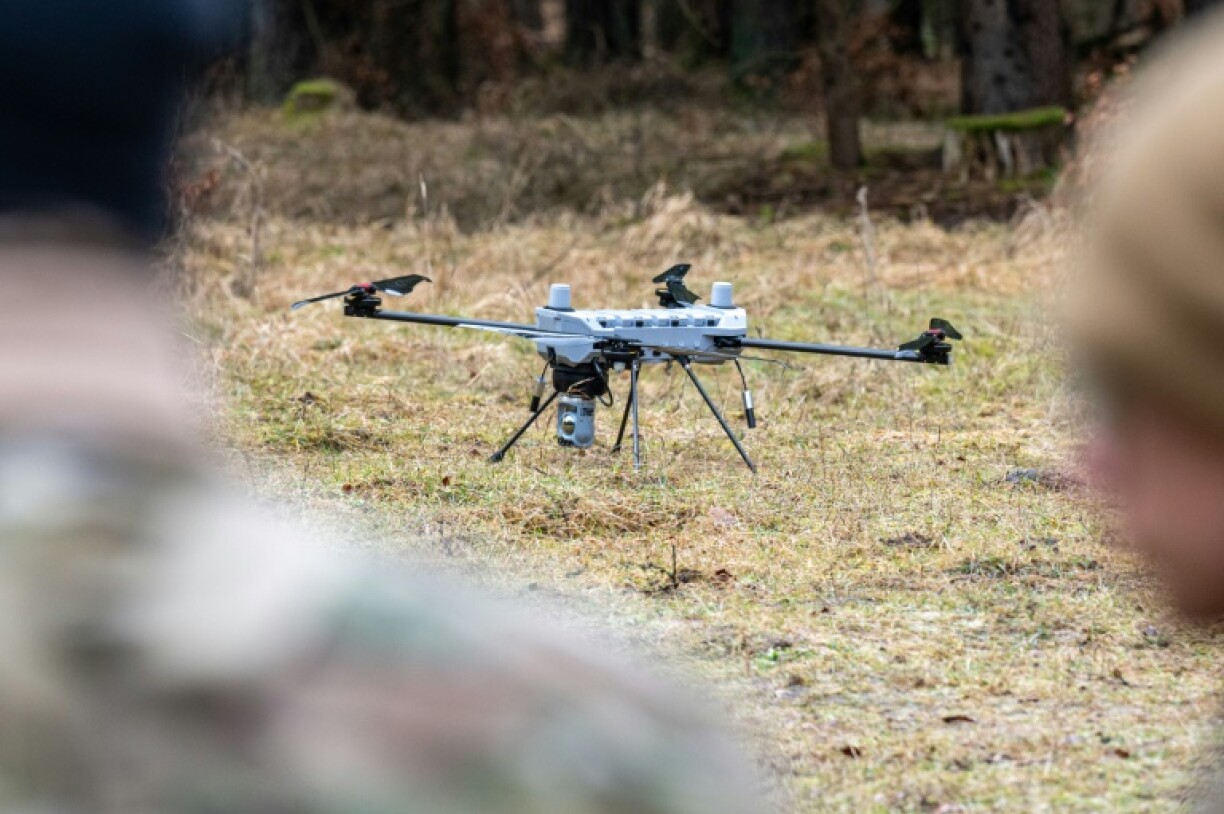
Similarly, the costs of military drones vary widely based on type, function, and country of origin. For example, in June 2024, Lithuania announced plans to purchase three different types of drones for a total of €36 million. Prices for drones can range from a few thousand euros to several million euros.
In November 2024, Luxembourg joined the drone coalition, an initiative launched by the UK and Latvia in February 2024 to provide military support to Ukraine. As part of this effort, Luxembourg contributed €3.4 million, with coalition partners collectively pledging thousands of drones to Ukraine.
During an interview on RTL Radio, Minister of Foreign Affairs Xavier Bettel revealed that he has been tasked with engaging arms manufacturers to assess their interest in investing in Luxembourg.
Bettel highlighted the country's strengths in communications and cybersecurity, noting that Luxembourg would welcome drone production given their dual-use potential for both civilian and military applications.
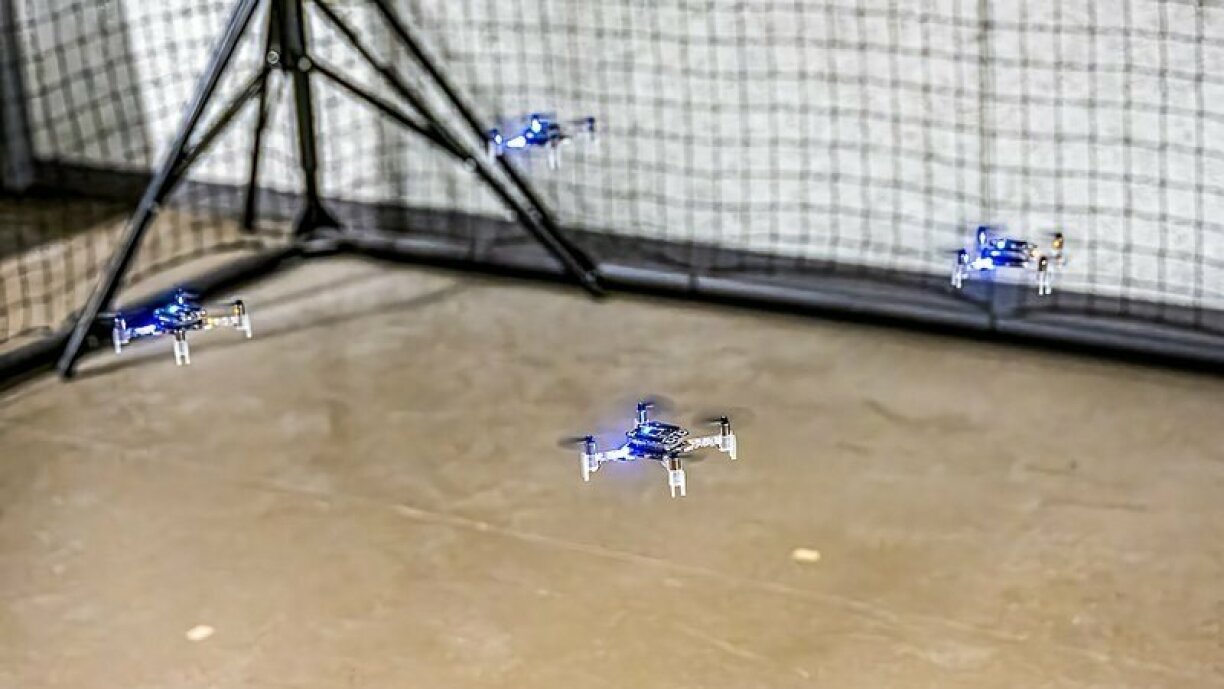
The University of Luxembourg is already conducting research in the field of drones, and the Luxembourg military has developed expertise in drone reconnaissance. Until recently, around 20 Luxembourg soldiers were stationed in Mali, where they used drones to support multinational military exercises.
A domestic drone production industry would thus align well with Luxembourg's existing ecosystem for a multitude of reasons.





