The latest Covid variant has caused further concern in the sectors, where demand is high but supply remains low.
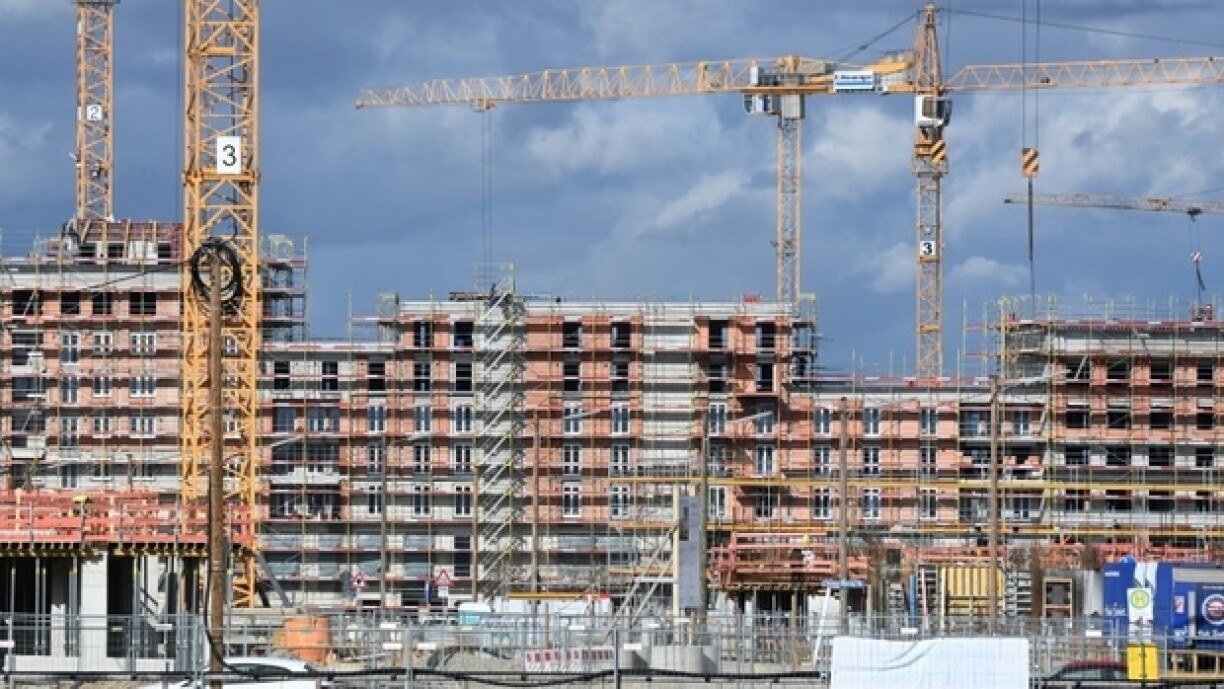
The construction sector and the automotive industry have particularly suffered as a result of the material shortages. The price of wood rose by 84% between August and August of this year, with 55% for iron. Pol Faber, of the Luxembourg association of building contractors (Groupement des Entrepreneurs), said prices of individual raw materials had stabilised for the time being, but remained extremely high.
The shortfall in materials and price increases target activities associated with mechanics - a particularly concerning situation, according to Tom Wirion, director general of the Chambre des Métiers. A situation like this is virtually unprecedented, with demand soaring while supply is becoming ever more expensive.
In the construction industry, the order books are full, but new contracts are rising in price, forcing clients to pay more. Wirion suggested the price hikes should not all be placed upon the customer, instead with both parties sharing the additional fees.
At the moment, a minority of building sites are operating at normal rates. The majority are stop-start due to the lack of materials becoming the new normal.
Demand for wood and steel in the global market remains high, to offset delays caused by lockdowns and a freeze in activity. Pol Faber explains that materials such as European wood and steel are dispatched to the US or China to cover the drop in materials. He foresees a market rebound, but this would require a certain amount of foresight - something that is also currently in short supply, thanks to unpredictable Covid variants.
Tom Wirion adds that the prices of raw materials fell slightly over the last few months, but concerns have not abated, due to fresh worries over the increase in energy prices. It is thought these will have medium-term repercussions on the price of plastic, among others.





