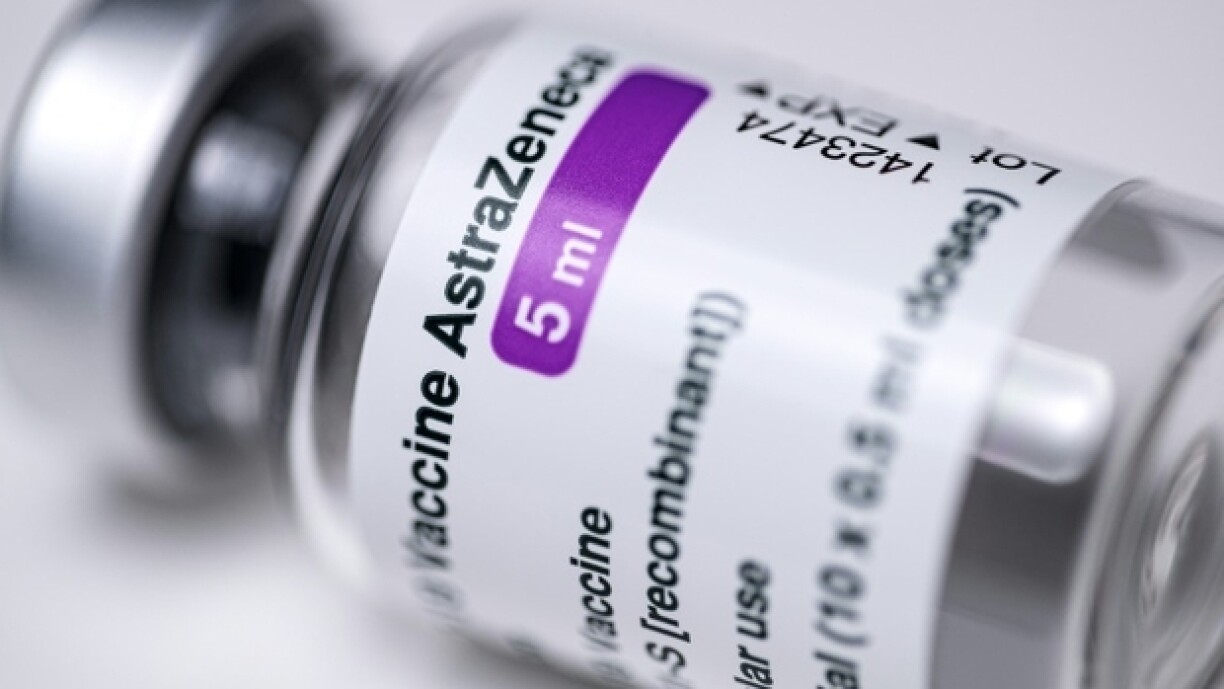
The refusal rate is thereby set at 1.78%. Since the recommendations for the AstraZeneca vaccine underwent significant changes over a short period of time, it is understandable that people experienced confusion and reservation.
In her official response to the enquiry, Minister Lenert underlined that the risk of side effects remains "extremely low". She also emphasised that the risk of new virus mutations becomes greater the longer it takes to get enough people vaccinated. Luxembourg is therefore pursuing similar goals like other countries, such as Germany and England for instance.
Still, the AstraZeneca jab is not in use for people below the age of 30, as well as pregnant women. The government acknowledges that there are mixed signals, but is doing its best to provide as much information to the public as possible, Lenert argued.
The Health Minister further noted that the recommendations by the Superior Council of Infectious Diseases (CSMI) are in line with those from the European Medicines Agency (EMA). At the moment, they assess that the AstraZeneca vaccine should be used for people between the age of 30 and 54, who are considered to be vulnerable.
Finally, Minister Lenert reiterated that the government will not step back from its responsibilities if a patient develops long-term side effects from the jab, or even in the case of death. The same will apply to people who volunteered for the jab.





