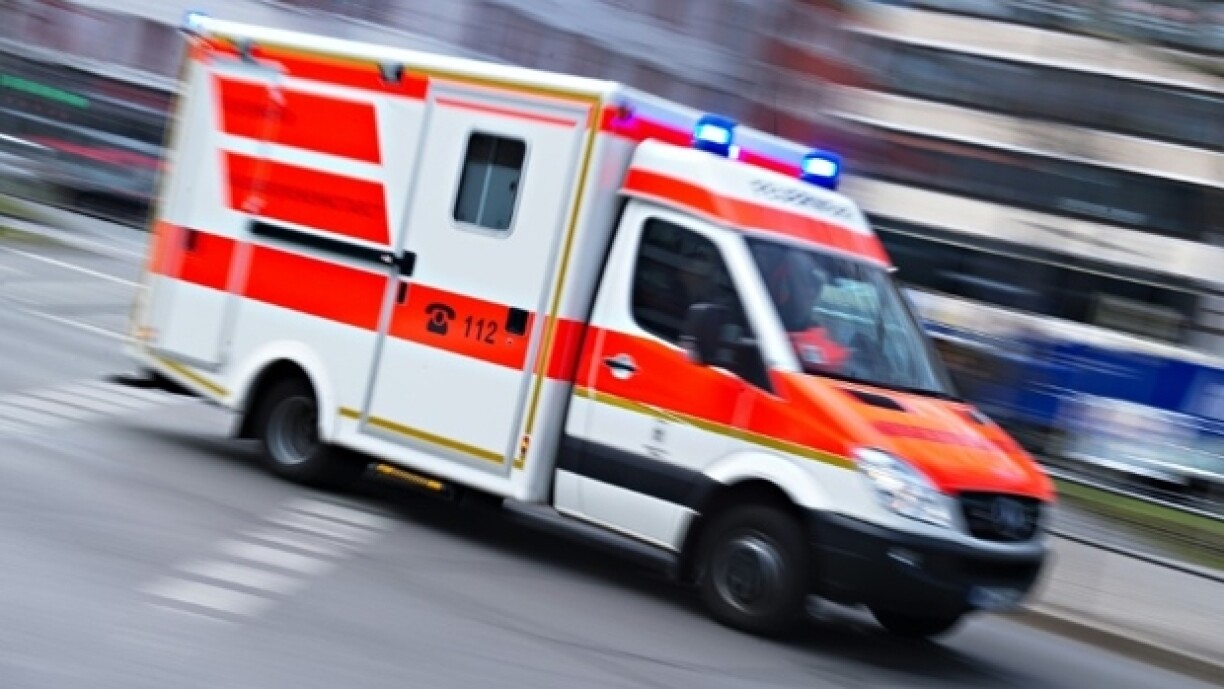
One of the questions surrounds actions when you're one of the parties involved in an accident. Your instincts might recommend you do all sorts of things, but police guidance highlights the need to prioritise safety.
The police recommend first and foremost to turn all your indicators, put on a high-visibility vest, and put a safety triangle out in order to make yourself obvious. These steps, alongside evaluating the situation, are the first steps someone involved in a crash should do, both in the event of injured parties or just material damage.
If the accident has caused injuries, then it is important to alert the emergency services and the police as soon as possible and also try and get any injured people out of the cars, especially if they're stuck.
In the event of accidents which only cause material damage, then the police recommend first taking photographs of the accident and the damage before moving the car, and, if applicable, calling a tow truck in time if your vehicle is not fit to drive.
If traffic is not affected by the accident, there are no injured parties, and you have filled out the accident notification (which you don't necessarily have to fill out at the location of the crash), then it is not necessary to call the police. It is also not the role of police officers at the scene to ascertain who or what is at fault in causing a crash.
Even if you're a bystander to an accident or car crash, you still have a role to play, namely in forming an emergency corridor. The police explain that every minute counts in the event of an accident and the emergency services must not be impeded from getting to the location in question.
Whilst some might believe that emergency corridors should only be formed when a tailback has already formed, motorists should actually act quickly as soon as traffic begins slowing down. At this stage after an accident, drivers should ideally already be keeping to both sides of the road and allowing an emergency corridor to be formed.
Another point the police debunk is that the emergency corridor should not be disbanded once the first emergency services vehicle passes, but only one the traffic jam dissolves.
The importance of emergency corridors in Luxembourg has been enshrined in the legislation and is mandatory by law. If you do not contribute to the corridor, you risk a fine, namely €145 and the loss of two points on your license for motorway roads and €74 for non-motorway routes, as per articles 137 and 156 of the Highway Code.
The police have special guidance for collisions involving wildlife, given that around 1,200 of these accidents occur each year. Some of the police's tips concern prevention, namely that if you encounter wildlife on the road, you should brake and press on the horn to scare the animal away from the road. However, you should not flash your lights as this could disorientate the animal and prevent it from fleeing to safety.
You should take care to drive slowly in areas where the authorities have signposted animal crossings. The police have also highlighted that the slower you drive, the shorter your braking distance is. For instance, the braking distance is 43 metres if you're driving at 70km/h, but only 26 metres if driving at 50 km/h. Conversely, the faster the driving speed, the higher the force of impact.
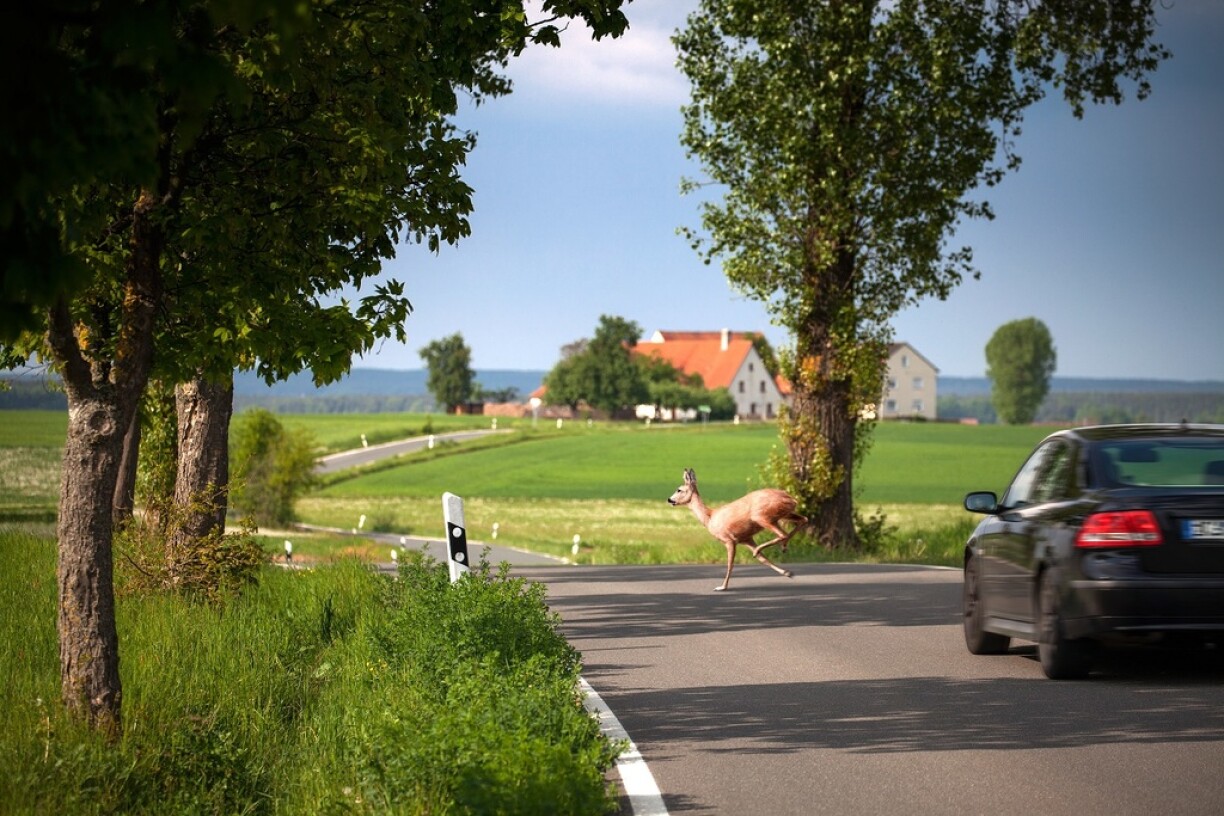
Nevertheless, sometimes collisions do occur and the police again highlight that any drivers involved in such collisions should start by making themselves obvious to oncoming traffic, namely by putting on all indicators and wearing a high-visibility vest.
Whilst you might be tempted to help the animal in question out yourself, the police advice is the contrary. First of all, it is prohibited to transport injured or dead animals away from the scene and drivers must not touch the animals with their hands. In this scenario, drivers should alert the relevant authorities, namely the police or the veterinary inspectorate.





