Our colleagues at RTL Radio welcomed Horesca general secretary Steve Martellini as a guest on Monday morning to discuss the challenges facing Luxembourg’s pubs, restaurants and hotels.
Martellini explained that the situation varies considerably between branches. Among restaurants, there was an increase of 36 businesses compared to 2019, with a total of 1,267 now in operation.
Since 2019, two hotels have been added, bringing the total to 196. In 2024, there were 1,983,000 overnight stays, representing a 7 percent increase compared to 2019, a notable positive trend in this segment.
Cafés, however, are struggling, with 39 fewer establishments since 2019, leaving 470 remaining. The decline is particularly apparent in rural areas, especially in the north and along the Moselle, while numbers in the capital have remained relatively stable. Falling margins are a key factor.
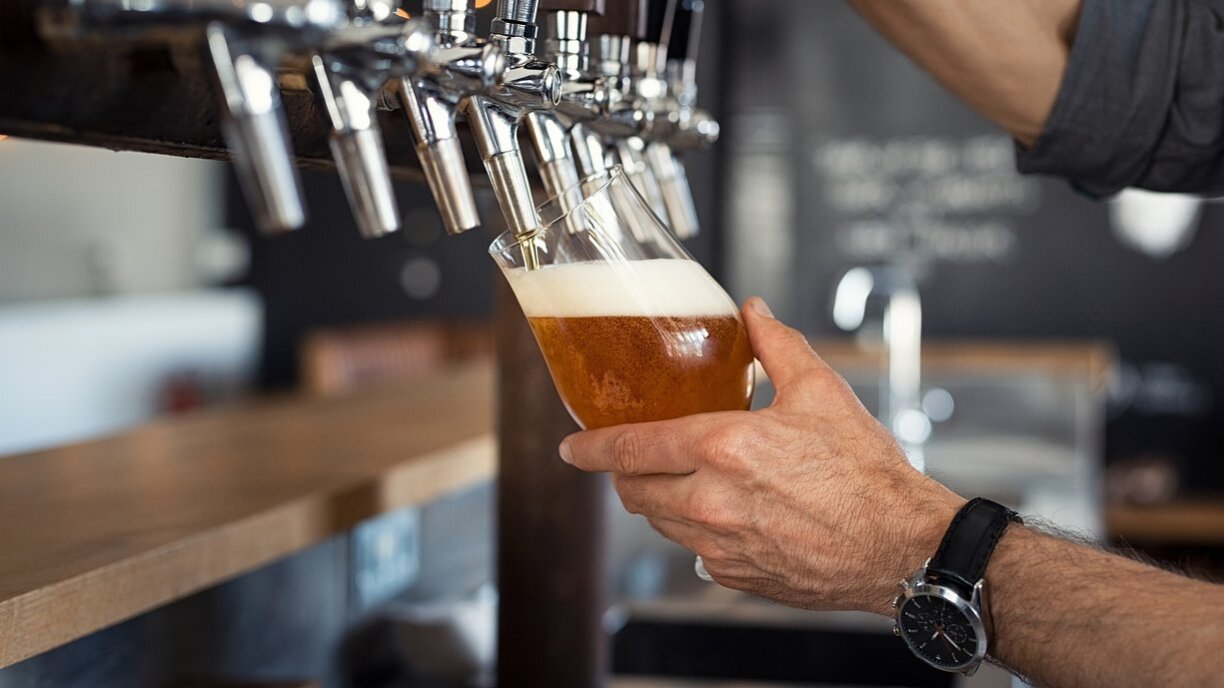
Martellini cited beer prices as an example: when a beer is sold for 3.80 euros, just 11 cents remain for the café owner. To pay one unqualified minimum wage from beer sales alone, 24,580 beers would need to be sold each month, or 945 per day – an unrealistic figure, he noted.
In addition to rising raw material costs, personnel expenses, rent, and energy prices have also increased. The government has at least promised to contribute to network costs for electricity, which mainly affect businesses operating during peak hours – precisely when Horeca establishments open, from 12 to 2pm. and 6 to 8pm.
The shortage of staff continues to trouble the Horeca sector. Although the issue has been discussed for years, there has been no concrete initiative until now. Horesca is working with the hotel school to develop a solution.
Many staff in the sector are unqualified and require basic training. A one- to one-and-a-half-week programme is being considered to provide essential skills, helping employees prepare for work. This would benefit both businesses and workers.
Martellini stressed the importance of raising public and political awareness about these challenges. Last month, the topic was also debated in parliament. He underlined the need to address the status of the self-employed, arguing that it should be aligned with that of employees, criticising the current inconsistencies.
"If you say, 'take the leap, become self-employed', then at the end of the day, as I said, you also need to earn something. That is the premise." Excessive administrative burdens continue to make this difficult, he added.
Horesca did not take part in recent debates on Sunday working hours and liberalisation of opening hours, as a separate law already applies to the sector. In pension matters, Horesca is represented by the Luxembourg Employers’ Association (UEL).
There is also some positive news. A convention was recently signed with the Chamber of Agriculture to encourage the use of more local and regional products and promote producers among restaurateurs. Many restaurant owners are simply unaware of which producers exist in Luxembourg, Martellini explains.





