Rapid tests at schools are important because children will be the last to be vaccinated, explained Dr Thomas Dentzer, responsible for Luxembourg's testing strategy at the government's Covid-19 crisis unit, on Wednesday morning.
A pilot project is to be launched in several schools, where rapid tests using nasal swabs will be used. A first assessment will be made at Easter. However, the planning is dependent on the availability of the tests. 500,000 tests have been ordered and the first 200,000 should arrive this week. The aim is that everyone should ultimately be able to test themselves in this way.
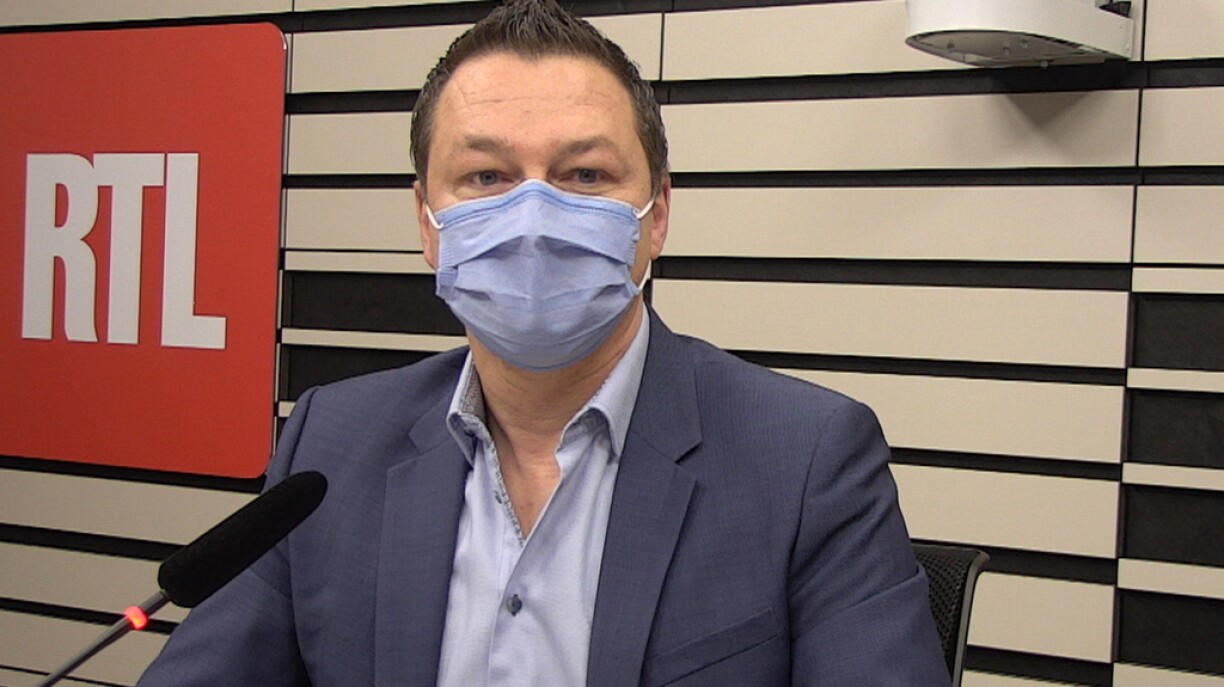
Dr Dentzer and his team will first check how the tests perform, before they are used in other schools. There are still many other areas where they could be used, such as before visits to retirement or care homes. The end goal is that everyone will take responsibility and use them if they want to go for a drink with friends in the evening, for example.
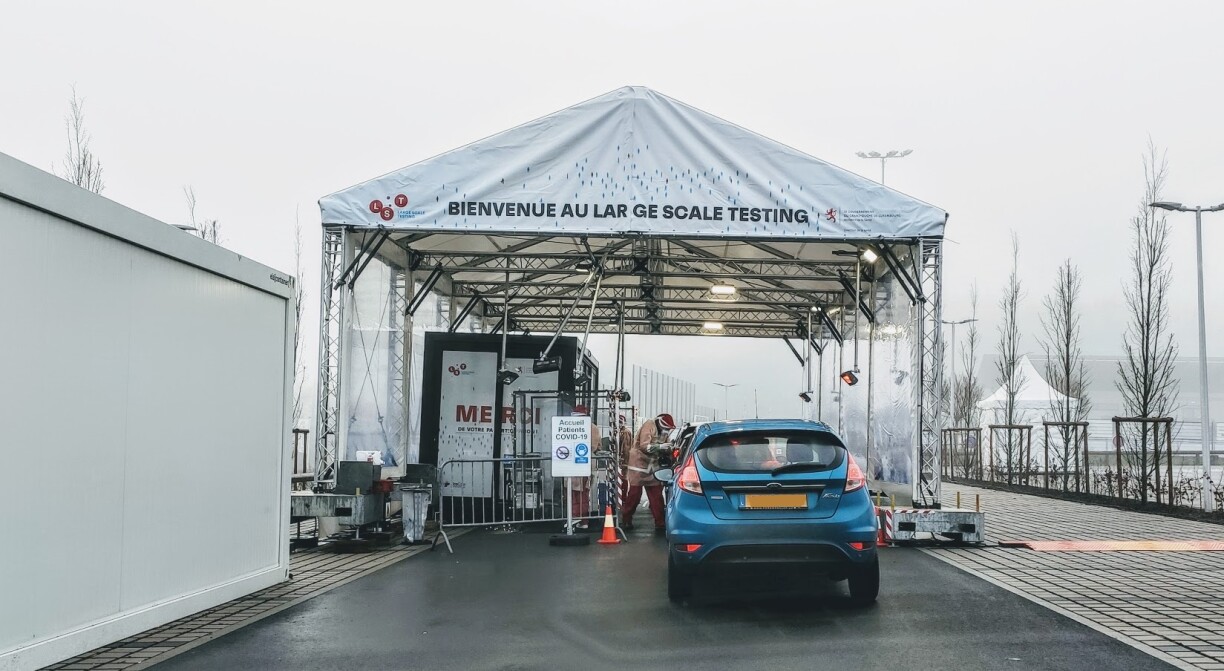
Dr Dentzer also stressed the proven benefits of large-scale testing, despite its high cost. Over the past year, thanks to this strategy, Luxembourg has resisted the pandemic better than other countries.
Last June, cafés and restaurants reopened. Today, customers can visit shops without an appointment. "It is a different story abroad," says the virologist. The curve of new infections in the Grand Duchy continues to rise sharply but is rapidly reaching a plateau.
The country has been stable for weeks, despite the variants that have been circulating since early November, according to the virologist.
Currently, 65% of cases in Luxembourg are due to the UK variant and 16% to the South African variant. A recent study by the Universities of Exeter and Bristol has suggested that the UK variant could be 64% more lethal.
This is obviously worrying, but it has not yet been confirmed in the analyses to this extent. On the other hand, the number of hospitalisations remains high, although the number of infections remains stable. This could be due to the UK variant, according to Dr Dentzer.
Immunity is reportedly increasing by the week. Dr Dentzer explained that this can be observed in the serological tests carried out in the context of the large-scale testing campaign.
In November, it was still at 6%, then at 10% in January and now at 12%. The first effects of the vaccinations are thus becoming apparent. Without vaccinations, Luxembourg would probably be at 10%.
That would mean that so far around 62,000 people have been in contact with the virus, and if that figure is brought in relation to the large-scale screening, where almost 60,000 positive cases have been diagnosed so far, this would mean that the number of unrecorded cases appears to be very small in Luxembourg.
It would also help to understand why the curves reach a plateau so quickly in the Grand Duchy. "Unlike in other countries," Dr Dentzer added.
On the other hand, it is unclear exactly how long the immune system 'remembers' coronavirus after infection. Research published in January suggested the body retained antibodies for at least six months, but it's possible that people who caught Covid earlier in the pandemic may no longer show up on serological tests.
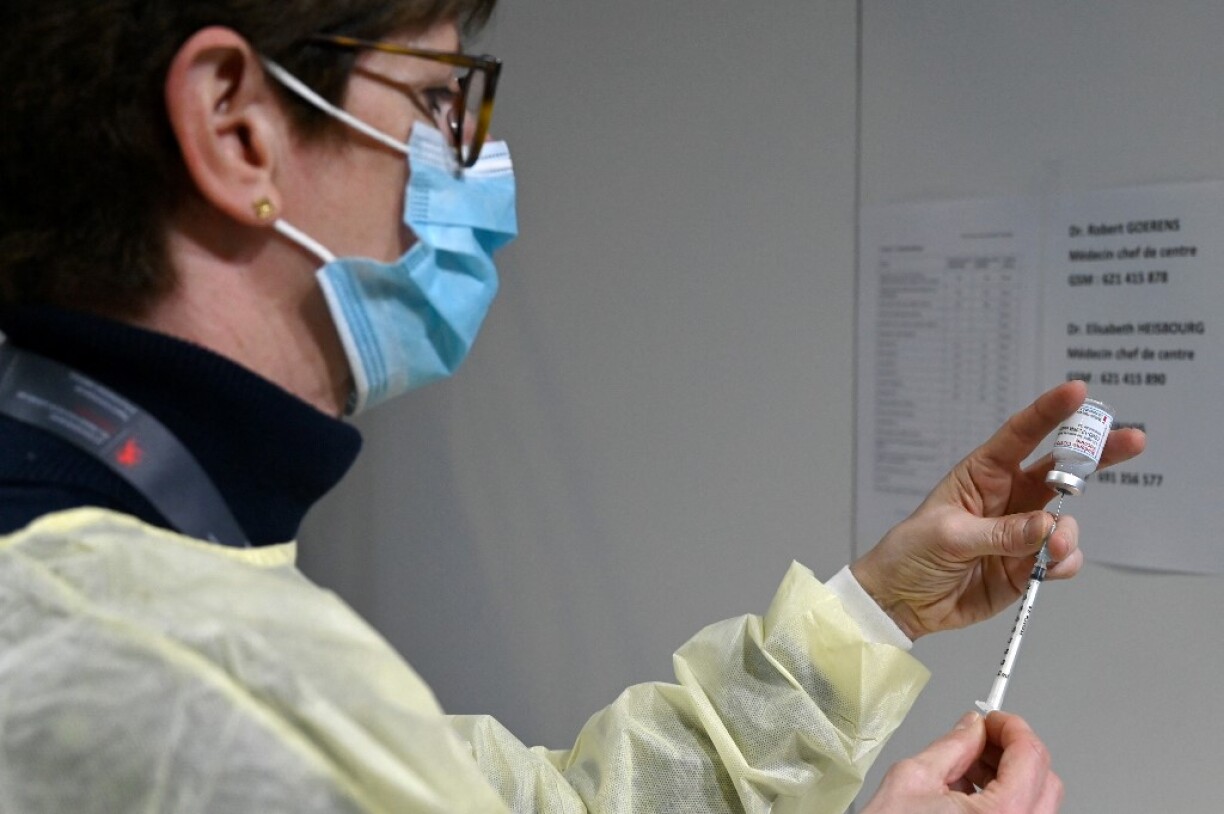
At the beginning, medical experts were unsure whether people who had been vaccinated could still be infected. In the meantime, there have been additional studies which indicate that 70% to 90% of those vaccinated are protected, i.e. they could no longer get the virus.
Very reassuring news, according to Dr Dentzer, who stated that for him, "this was the most important news of the last four weeks".
There is thus still a small possibility of transmitting the virus despite vaccination. That is why the Ministry of Health is still calling for people to participate in the large-scale testing campaign.





