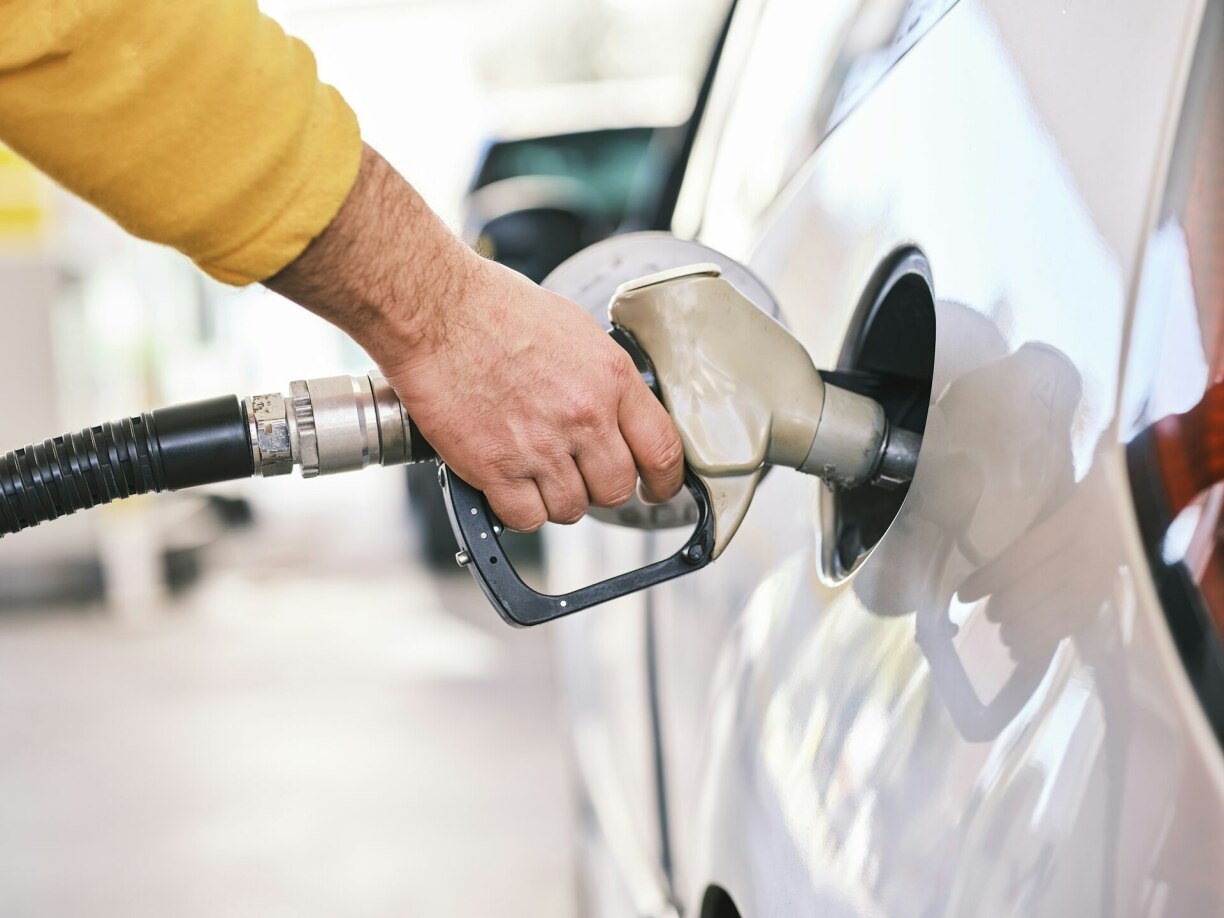
The scenario typically unfolds as the numbers on the fuel pump scroll by, and the audible click signals the completion of the fuelling process.
While many motorists stop there, some may be tempted to squeeze in a bit more fuel, perhaps aiming for an even amount in euros or hoping for a few additional kilometres.
Contrary to the perceived benefits, topping up post-"click" is ill-advised. "The initial click serves as a safeguard, preventing the tank from being filled to capacity. Similar to a shower, there's a little drain that evacuates the excess fuel when you ignore this warning. This ensures that the excess doesn't go into the tank and is wasted," says an expert at Autoplus, for example.
In other words, not only are you not adding any additional fuel, you are basically wasting your money.
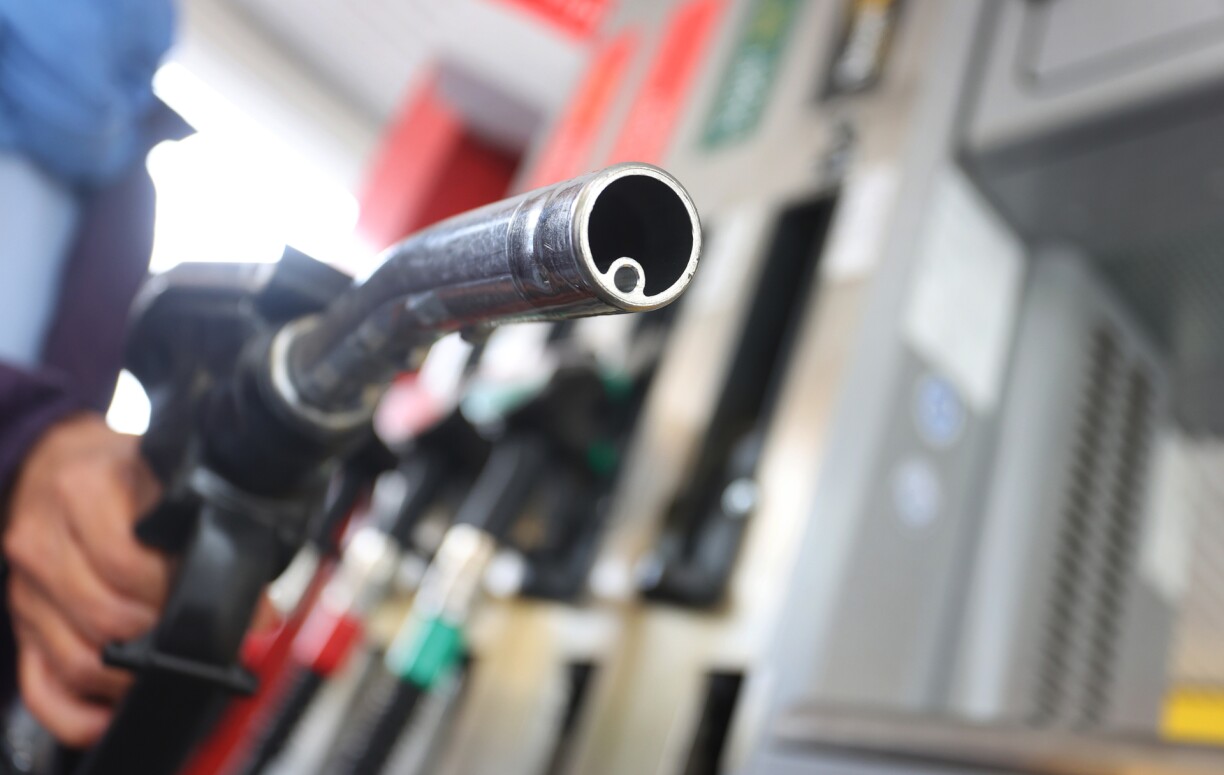
There are also potential safety concerns associated with overfilling. If the excess fuel is not pumped back into the station, it might spill out, especially during turns. A repair shop manager explains that this overflow occurs through a spout located above the rear wheel under the filler cap, posing risks such as reduced tire grip and potential oversteer. The dangers extend beyond the individual vehicle, as spilled fuel on the road not only jeopardises the safety of fellow road users but also contributes to environmental pollution by contaminating the ground and water.
In essence, attempting to squeeze in that extra bit of fuel post-"click" offers no advantages and may lead to unnecessary expenses. The only beneficiaries are the oil companies!
Related:France more tolerant than Luxembourg: Letting your engine 'warm up' when stationary can cost you dearly





