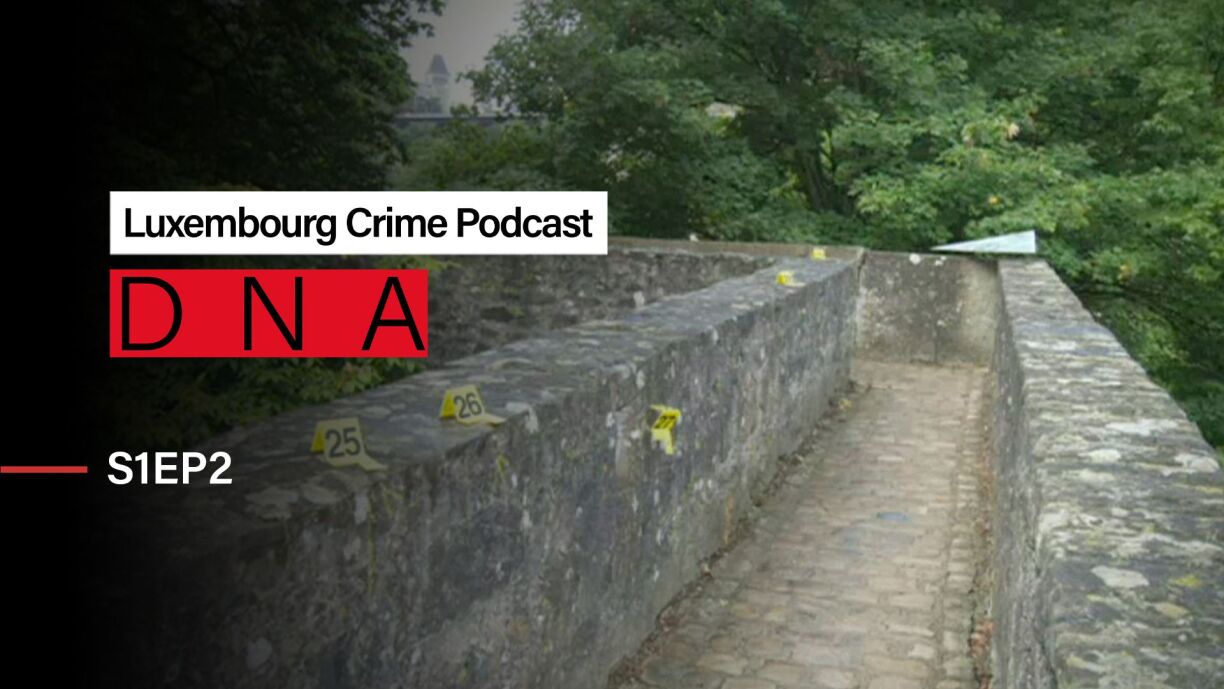
Two homeless men were viciously attacked in the summer of 2008 in Luxembourg City's Petrusse valley. The first victim was killed on the spot, the second victim managed to flee his attacker despite suffering serious injuries. The murder weapon: a hammer.
The murderer would later become known as the hammer man, Luxembourg's first serial killer. Because he was previously unknown to law enforcement, police published a picture of the individual in local media, hoping acquaintances would step forward with more information. It turned out to be a homeless individual living in an abandoned shed in the Petrusse Valley.
As part of the DNA TV series by RTL, which aired over a decade ago, journalists Guy Weber and Dan Wiroth interviewed the chief of the homicide department whose team solved the case and caught the criminal.
Luxembourg's first serial killer, the hammer man, was out and about in the Petrusse Valley in the summer of 2008.
The Petrusse Valley may not seem like a common place for murder. Sitting below the City's fortifications and bastions, with vast greenery, picturesque flower beds and the Pétrusse river, it is a popular spot amongst tourists, workers on their lunch breaks and families alike.
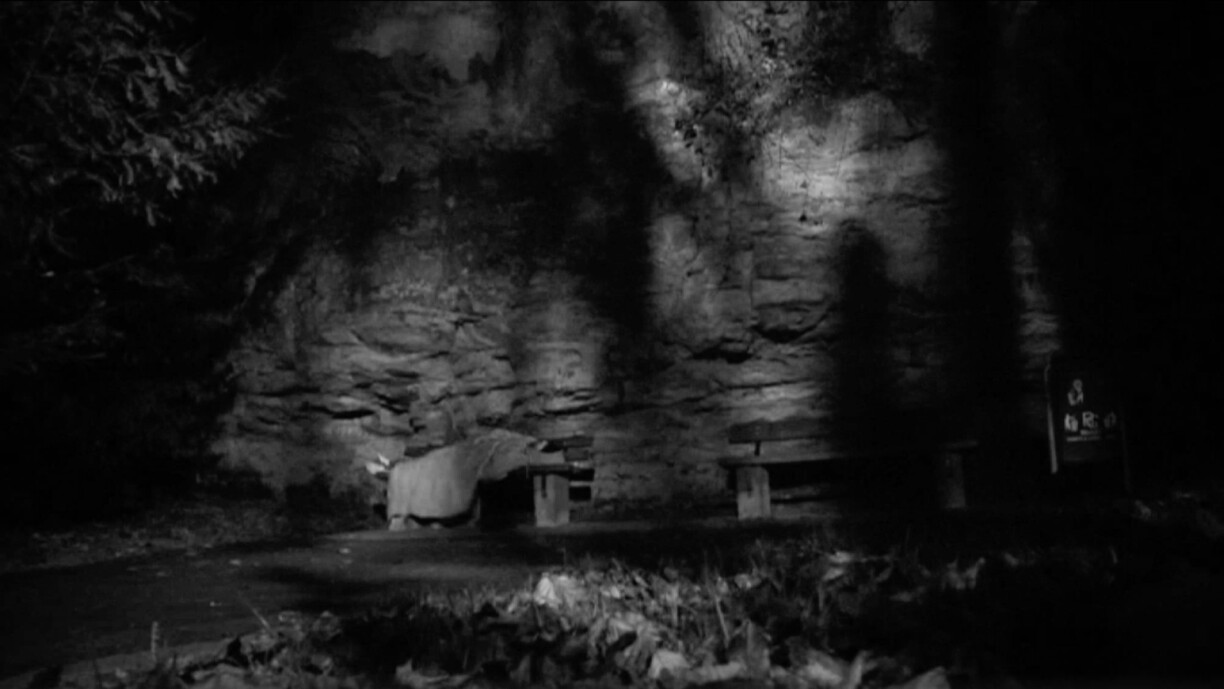
At night, however, it can feel rather deserted and shielded off from the rest of the capital. There are no homes in this area of town and not all paths are well-lit. The Valley often sees many homeless people sleeping on park benches, and this is where today's case begins.
On Friday, 8 August at 2.15pm, a runner spots a man lying on a bench just off the main path. There's a huge amount blood on the man and around him, including the stone wall behind the bench. His head has been violently bashed in.
The runner dials 112. Forensic investigators and police immediately arrive at the scene, and based on the injuries quickly come to the conclusion that this was not some sort of random accident, but a violent death.
Leading the investigation is Christian Kieffer, the chief investigator of the homicide department. It is unclear as to why anyone would harm a homeless man so brutally, and Kieffer and his colleagues suspect that numerous individuals could potentially have done this.
The hunt for the killer begins.
Because police are unable to identify the victim based on his fingerprints, and the man is not carrying any identification, they turn to colleagues abroad for help. Thanks to German police, the victim is determined to be the 45-year-old Peter H. Police follow up by releasing a photo to local media, hoping the image will bring forward acquaintances or potential witnesses.
The picture caught the attention of Paulo R., an ex-boyfriend of Peter H. Paulo told police that Peter was from Saarbrücken, Germany. He was a known gambler and alcoholic, and in the 90s was even involved in a bank robbery in Germany, although there is little known about this event.
In 2001, Peter’s family found out that he was homosexul/bisexual, and so he decided to leave them and move to Luxembourg together with Paulo. But the relationship faltered quickly. The two separated in 2006, and since then Peter had not been in contact with Paulo, his family or children. The first time Paulo heard of Peter again was through the call to witness alert in the media.
At the time of his death, Peter had no fixed address. His sister Steffi, who was living in Germany, was aware that her brother was staying in Luxembourg. Steffi had contacted the Grand Ducal Police several times in an attempt to track him down, and she even came down to Luxembourg to look for him in person, but to no avail.
An autopsy of the body was carried out by a medical examiner. Peter's death was placed between 10.30pm on Thursday 7 August and 8am on Friday 8 August. He had suffered severe blows to the head that would have smashed his skull in several places.
Furthermore, the report showed that Peter was most likely attacked out of nowhere in his sleep, as there were no marks of attempted defense. They also point out that the public lighting in the park is controlled centrally, and that the lights would have been switched off.
Police were left clueless, until three weeks later.
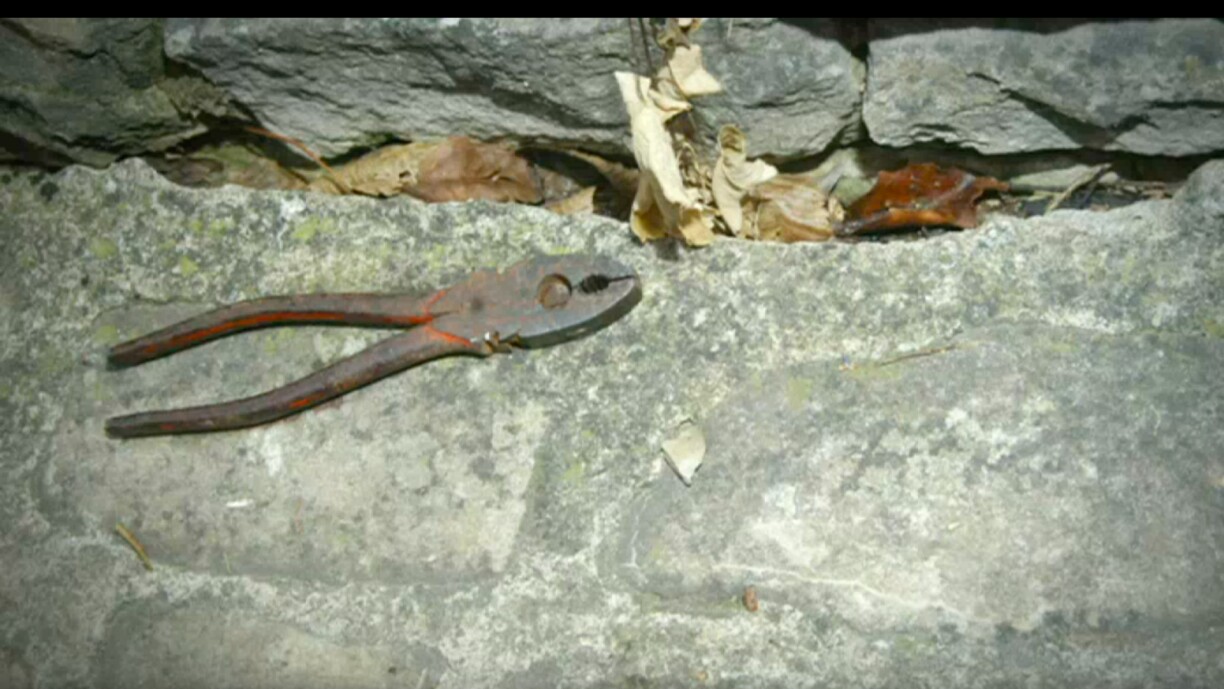
On the night of 1 September 2008, a man named Emmanuel Q. is resting against a wall in the Petrusse Valley. Out of nowhere, he is struck in the head several times by a man holding a wrench.
Emmanuel manages to defend himself, get up from the wall and flee from his attacker, running onto the fortress wall that crosses the Alzette river. The attacker goes in pursuit, catches up with Emmanuel and drags him over the wall.
Emmanuel, who is already suffering a severe head trauma from the wrench attack, is pushed over the edge and falls 11 metres into the freezing Alzette river below. Miraculously, he survives. He pulls himself to the side of the river, but is too weak to get out. He clings onto a stone for the rest of the early morning, before being spotted by a passer-by four hours later.
Police draw parallels between this attack and that of Peter three weeks earlier. In both cases, the victim was attacked with multiple blows to the head, at night, at a deserted location within the same area.
Luckily, Emmanuel survived the attack and was able to tell police quite a bit about what he saw. While he was unable to recognise the person, he believed his attacker was a rather young individual.
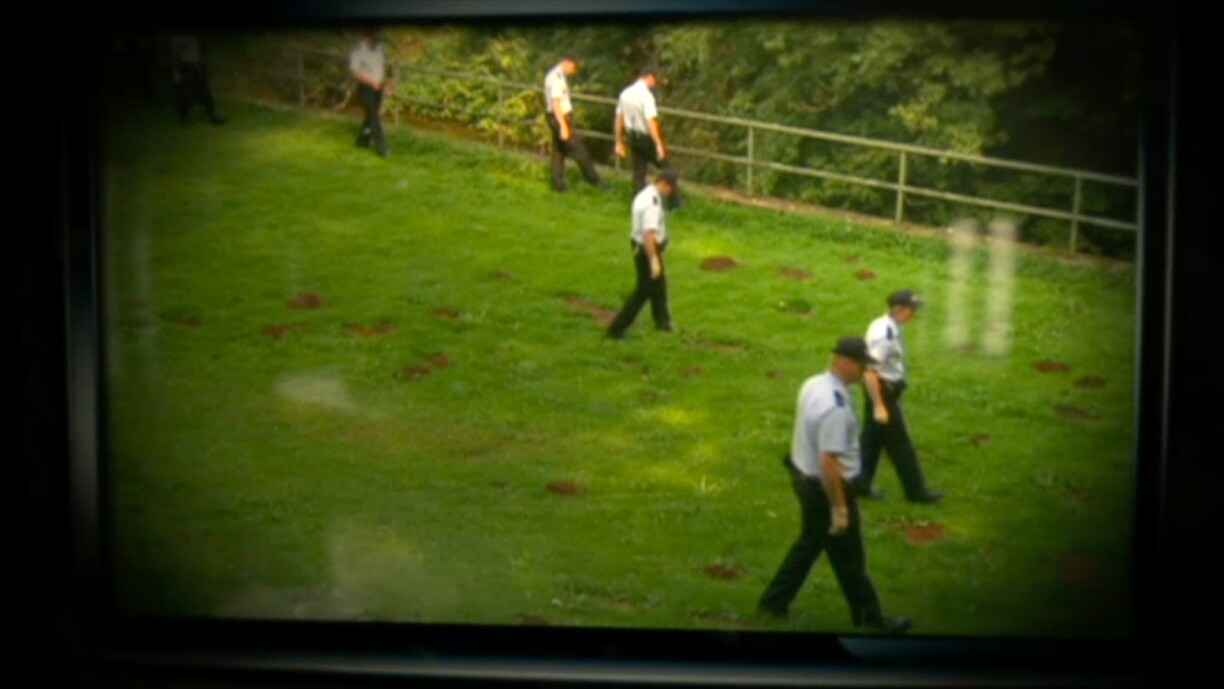
Police begin scouring the area, looking for any clues or witnesses to help them in the investigation. 10 days after the incident with Emmanuel, while investigators are looking through a plot of land within walking distance from both crime scenes, they discover a little wooden shed, similar to a garden shed.
They notice a man living inside, and after questioning him about his identity and presence, they find that he matches the description provided by Emmanuel Q. Although kind and cooperative at first, his attitude changed completely after questioning at the police station.
At the police station, the man gave officers an extended history of his life. His name were Decimo P. Originally from an area surrounding Rio de Janeiro, Brasil, he left the country at the age of 23. He had been living in Portugal since 1991, travelling to Germany, Switzerland and the UK several times, but there is little information on how he made a living or sustained himself.
Decimo married his wife Sonia in Portugal in 1995, but it seems like this was a marriage of convenience, as both Decimo and Sonia were homosexual, but this would allow him to obtain Portuguese residency. In 2005 he worked in a restaurant in Tenerife, and as a cook in Madrid in 2007. He met a German man in the later years, and frequently travelled to Germany. Based on phone data, investigators believe he arrived in Luxembourg between the 26th of July and 3 of August 2008, only a week or so before the murder of Peter.
But would Decimo P. confess to the murder?
Interrogators always aim to extract as much information from a suspect as possible, hoping that they, either accidentally or willingly, reveal too much. For the interrogator, it’s the delicate process of creating the illusion of building trust and maintaining control of the conversation. Things start out with simple, non-threatening questions, designed to elicit relaxed responses. The person being interrogated must feel unthreatened and respected. Then the pressure builds up, the questions become more focussed. An investigator may lie to the suspect to induce them to confess truthfully.
But without investigators even mentioning the weapon that was used in the first attack, Decimo dropped the word “hammer” out of the blue. That was all investigators needed to hear. Decimo was the attacker. He confessed to both acts.
It is fair to say that Decimo had severe psychological issues. He would have frequent rage attacks during the interrogation, at one point even screaming that he hated women. In a later second hearing, he declined wanting to have a lawyer and his personality was completely different compared to the first time police spoke to him. He seemed to test the interrogators with smart questions, even though he had already admitted that he was guilty. These psychological issues may have played an influential role in the murder he committed.
Decimo told police that he felt ashamed of who he was, and that in other homeless individuals he saw a reflection of himself. By executing the murder that killed Peter, he felt like he was hurting himself. He channeled his frustration into a violent crime.
It raises the question whether Decimo could have received help before it was too late. Kieffer, the chief of the homicide department, explained that there tend to be three main reasons for a murder: hate, jealousy or greed. But serial killers, which is the category Decimo falls into, tend to be different, with murders either being sexually motivated or executed due to psychological damage.
In court, Decimo pleaded guilty and was handed a 25-year prison sentence, meaning he’ll be behind bars in a psychological institute until at least 2037. He was, however given article seven of the penal code, which states, and I translate from French: “The person who was suffering, at the time of the facts, of mental disorders having altered his discernment or impeded the control of his acts remains punishable; however, the court takes this circumstance into account when determining the sentence.”
In this series, RTL Today dives into a Luxembourgish crime case. Some are solved, others continue to baffle investigators until this day. This week's story is a little different, but still involves the Grand Duchy – and crime. Find previous stories in our history section or here.





