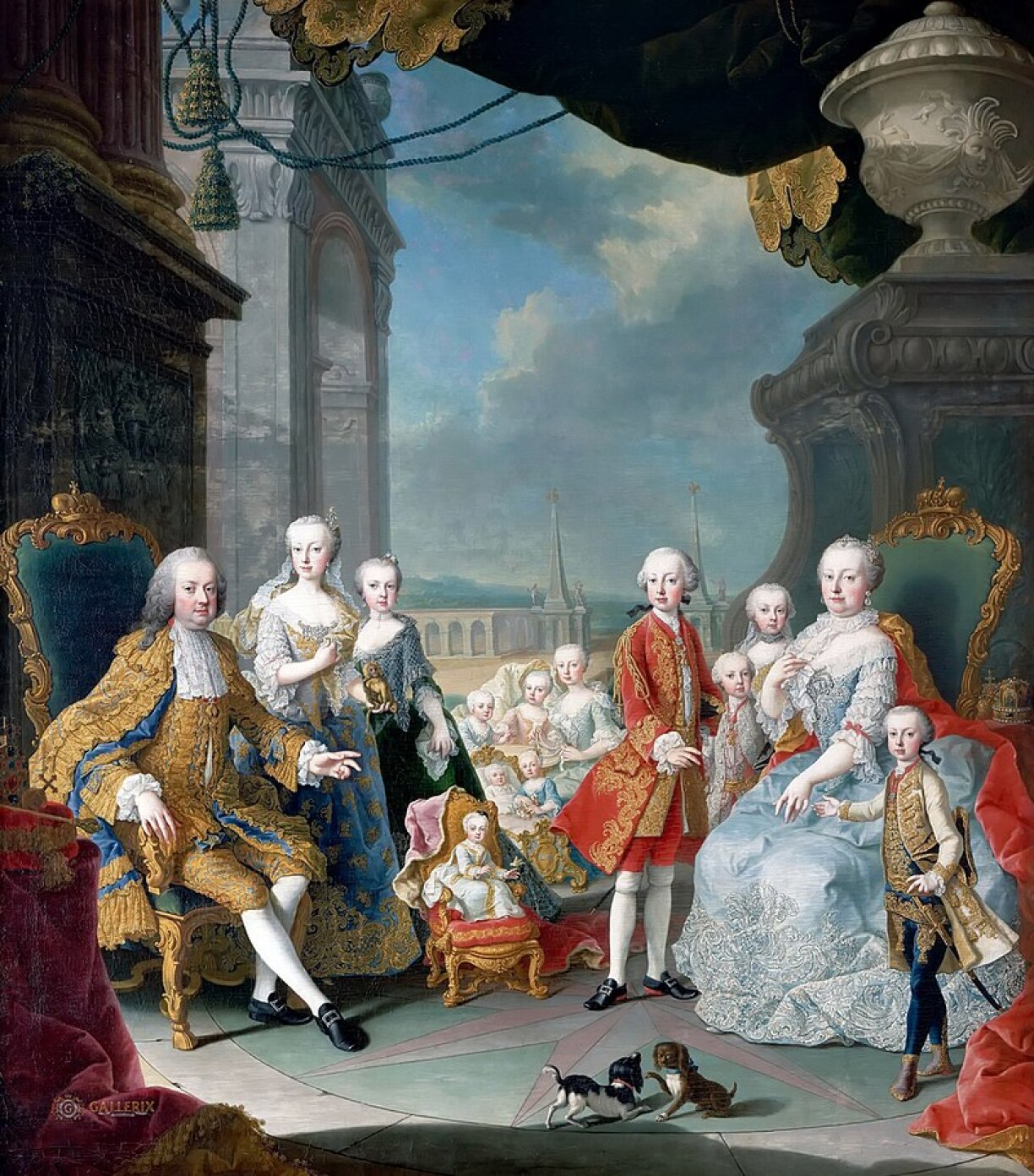
In 1795, the modern history of Luxembourg began with the French occupation, marking the end of a 441-year-old Duchy. But what was life like in this 18th-century society on the brink of such a profound transformation? Was this truly a Golden Age for Luxembourg?
Today, we’re concluding our long-running focus on Luxembourg before the Grand Duchy.
Luxembourgish society during the Austrian Habsburg era remained largely unchanged from previous centuries. The majority of the population, as much as 96%, consisted of farmers and peasants, who had no representation in the governance of the Duchy. Governance was primarily handled by the Assembly of Estates, which was divided into three groups: the nobility, the clergy, and the Third Estate.
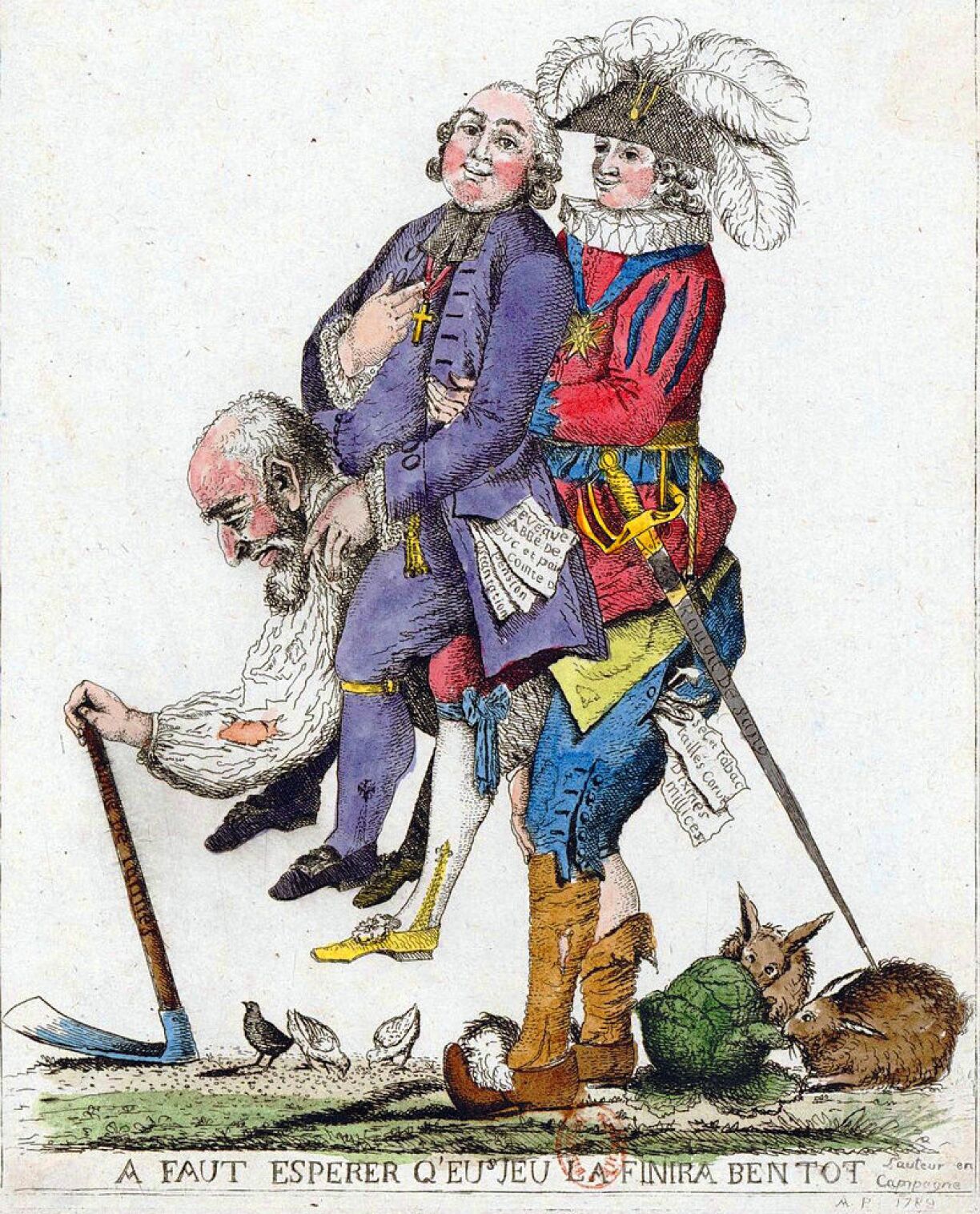
From the 18th century onwards, to sit with the nobles in the Assembly of Estates, one had to prove "four quarters" of nobility – demonstrating that all four grandparents were of noble lineage. This strict requirement significantly limited the number of eligible nobles, resulting in only about a dozen holding seats by the late 1700s.
The clergy's representation was even smaller, consisting of only six abbots from Saint-Maximin, Munster, Echternach, Orval, Saint-Hubert, and Houffalize. These abbots were responsible for defending the interests of the lower clergy, including local priests and members of various monasteries.
The Third Estate represented the bourgeoisie, comprising fifteen deputies – one from each of the fifteen principal towns. Of these, eight deputies came from the French-speaking part of the Duchy (Durbuy, Bastogne, Houffalize, Laroche, Neufchâteau, Virton, Marche, and Chiny), while seven were from the German-speaking part (Luxembourg, Arlon, Bitburg, Grevenmacher, Remich, Echternach, and Diekirch). These deputies were often local mayors or officials, some of whom were elected annually, while others held their positions for life.
Life in the Duchy of Luxembourg's countryside was challenging, particularly in the less fertile areas surrounding the Ardennes forest. The limited availability of pasture meant that few farm animals were raised, leading to a shortage of manure and, consequently, low agricultural productivity throughout pre-modern times.
Farmers primarily cultivated cereals such as rye, barley, and wheat. A poor harvest, caused by an early frost or the presence of marauding troops, could quickly lead to starvation. However, the 18th century saw a relative decline in famine, especially after the introduction of potatoes, which provided a more reliable food source.
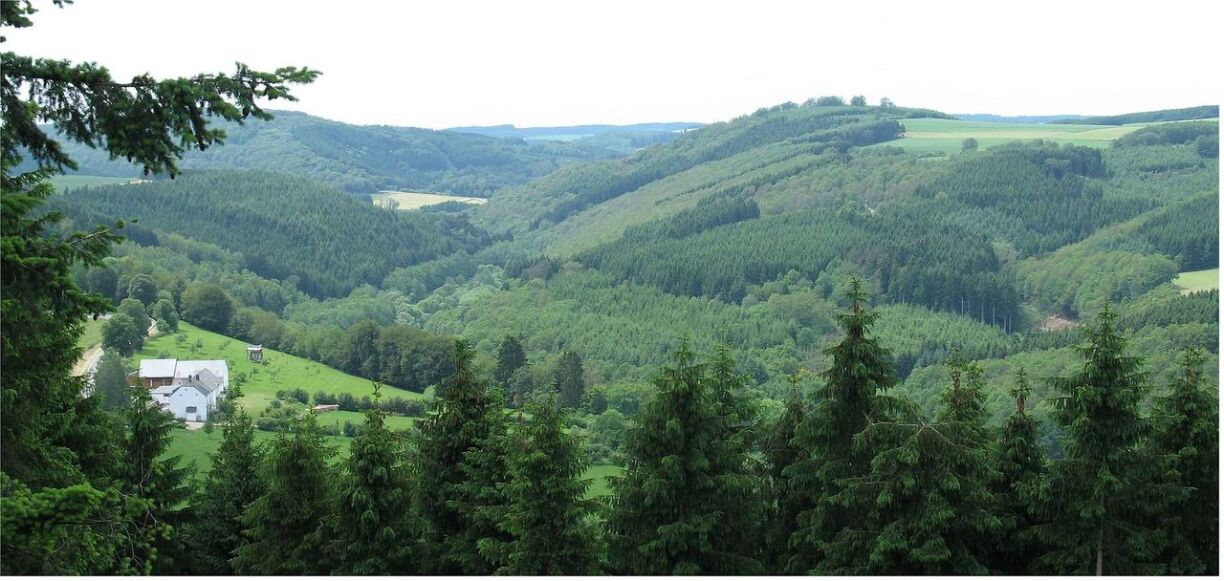
The Luxembourgish countryside had certain communal rights, such as access to pasture and the collection of wood from forests. However, these traditional rights came under threat due to the centralizing policies of the Austrian Habsburgs, particularly under the reigns of Maria Theresa and Joseph II.
Overall, the countryside remained a largely isolated world. Poor transport links made it costly and difficult to move goods, so most of the rural population rarely ventured beyond their local area.
In the towns, merchants and craftsmen – such as shoemakers, tanners, millers, brewers, and smiths – were organised into guilds. However, their production was primarily for local consumption, with limited trade passing through the Duchy under the ancien régime.
In the Duchy of Luxembourg, the birth rate was high, at around 40 births per 1,000 people per year, but it was not extreme. On average, women had four or five children, and only a third of families in the town of Echternach had more than six.
Two key factors contributed to this. First, the average age of marriage was relatively late for the time, around 25 to 26 years for women, leaving less time to have large families. Second, many women did not live long enough to have numerous children, as childbirth was a leading cause of death among women.
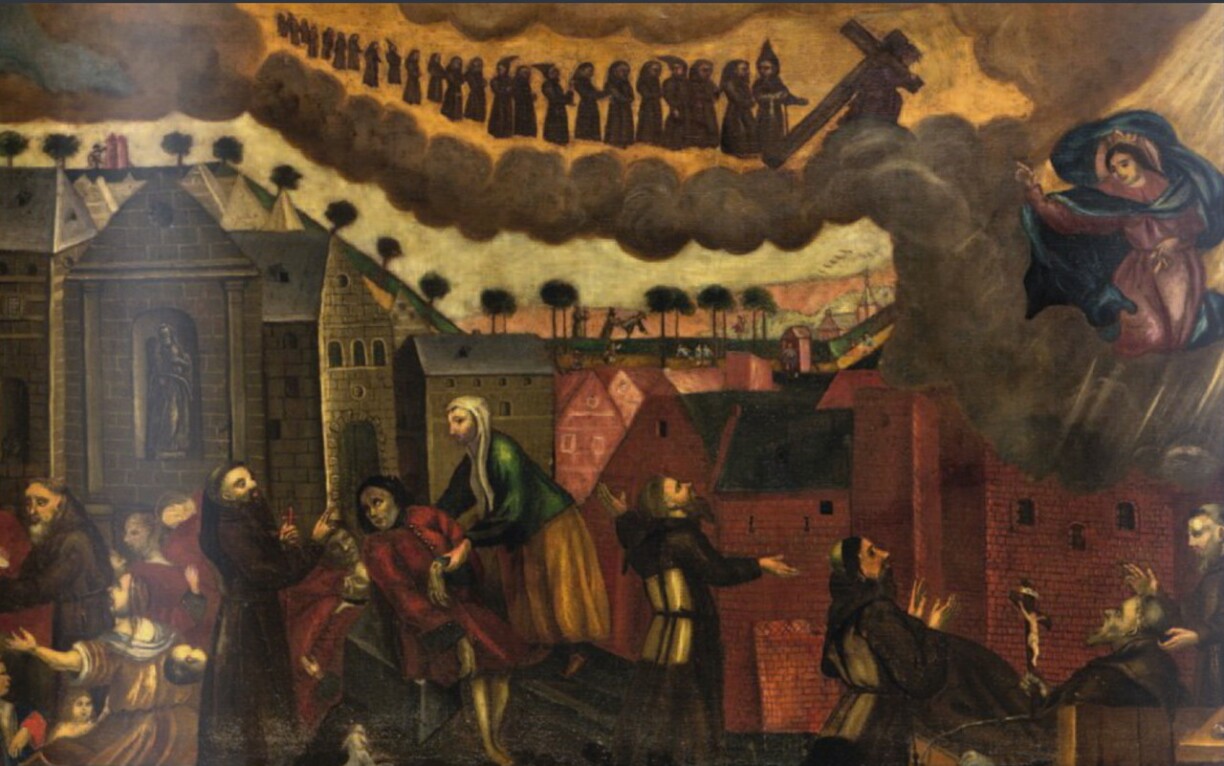
The death rate in the Duchy of Luxembourg closely matched the birth rate, which contributed to the population's stability during pre-modern times. Although the plagues, famines, and wars that had ravaged the region under the Spanish Habsburgs did not affect the Duchy as severely in the 18th century, recovery from these earlier catastrophes was slow. As a result, the population had not grown significantly by the time of the French Revolution.
Luxembourg City was the only town of any substantial size, with a population of around 8,500. No other town in the Duchy had more than 2,000 inhabitants.
Luxembourg was an intensely religious society, with daily life revolving around religious practices such as attending mass, participating in processions, and going on pilgrimages. The arrival of the Jesuits in the late 16th century ensured that Protestantism gained no foothold in the region.
The veneration of the Virgin Mary was widespread, as was the devotion to local saints, and superstition remained prevalent well into the 18th century, with accusations of witchcraft still occurring. The Jesuits established monasteries and other religious institutions that provided care for the poor.
However, most of the Luxembourgish clergy were themselves poorly educated, often coming from peasant backgrounds.
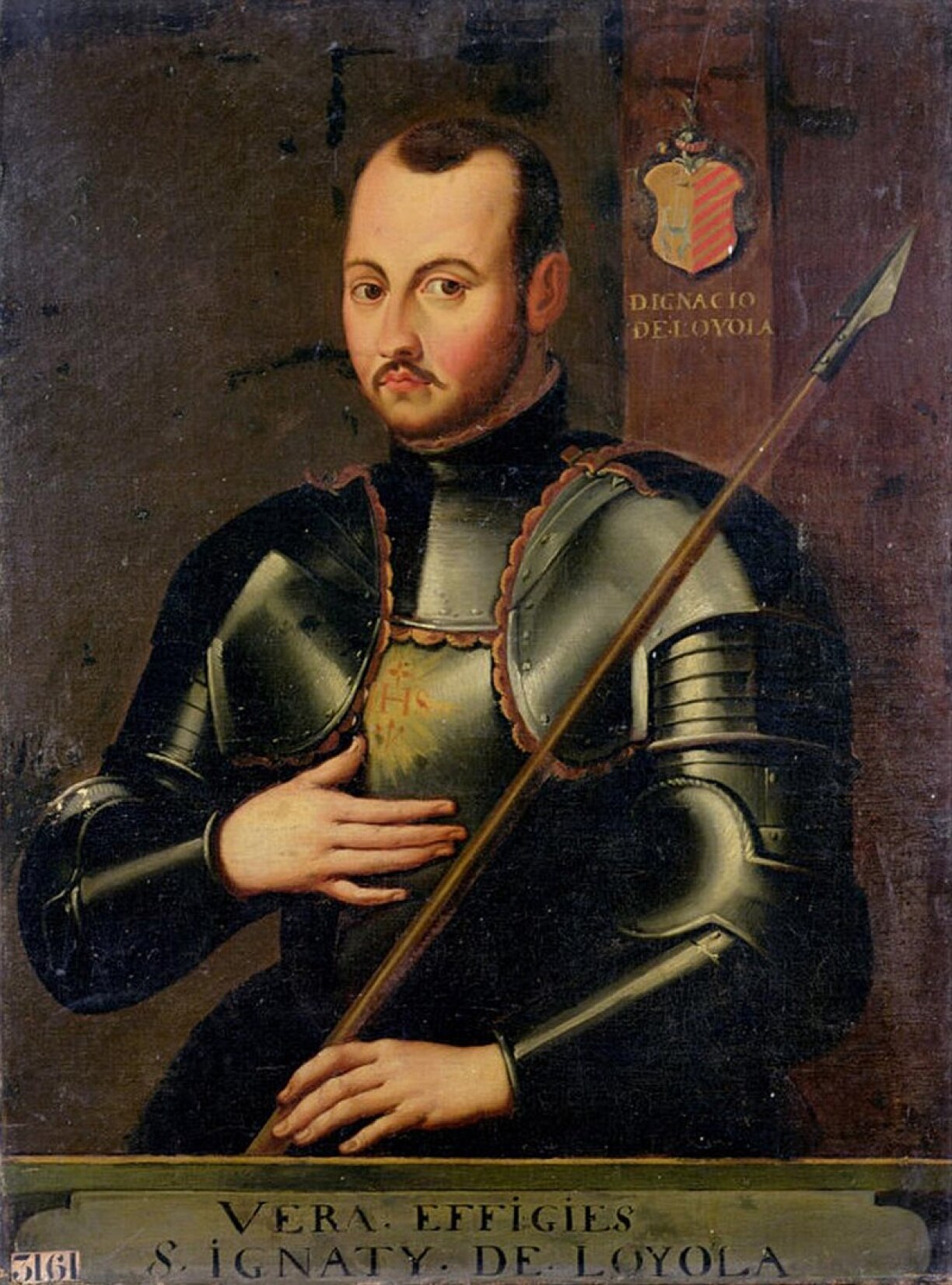
After 1603, the Jesuits dominated education in the Duchy of Luxembourg with the establishment of the Athenée, which continues to operate to this day. Primary schooling was sporadic and generally limited to the winter months, as children were needed for agricultural labor during the harvest season.
As a result, most of the population remained illiterate, particularly women, and the Enlightenment ideas flourishing in neighboring France did not penetrate Luxembourg. There were two local journals, but they had limited readership and faced censorship from the Habsburg authorities.
In the late 18th century, the Habsburgs attempted to reform the religious landscape by suppressing the Jesuits in 1773, closing monastic orders in 1783, and issuing an edict granting Protestants freedom of religion. These measures were deeply unpopular and contributed to the Brabant Revolution of 1789. Just six years later, the Duchy came to an end.
So, was this period truly a Golden Age for the Duchy, as some Luxembourgish historiography suggests?
The short answer is no. Luxembourg remained a relatively isolated and underdeveloped region, with limited progress in its society, economy, and culture. If this period can be considered a Golden Age, it is only in comparison to the hardships of the 17th century.
The real Golden Age of Luxembourg is undeniably the one we are experiencing today.
Thank you for tuning in! Now what are you waiting for – download and listen, on iTunes, Spotify, or wherever you get your podcasts.





