Mastering a few key techniques – from temperature to glassware – can significantly improve your enjoyment of wine this festive season. Wine expert Claude François shares essential tips to ensure your holiday wines shine.
Experts emphasise that proper temperature is one of the most fundamental rules. Crémant, white wine, and rosé should be served chilled. For red wine, however, the approach is different. With very few exceptions, placing a red wine in the refrigerator is considered a mistake.
Red wine is best served in a temperate environment, ideally having been stored slightly cool – such as in a cellar a few degrees below room temperature. Leaving a red wine in a warm kitchen all day can cause it to lose its finesse. Conversely, for chilled wines, care must be taken in cold weather: a bottle left on a freezing terrace may become too cold, muting its flavours.
And now for a topic that makes wine expert Claude François shudder: adding ice cubes to wine. "No matter how hot it might get", he stated, "there's no reason to pour ice into wine". He explained that this dilutes and alters the taste, noting wryly that a wine at 12% alcohol is already 88% water. Instead, he recommends using an ice bucket to chill the bottle or employing specialised, reusable metal ice cubes that can be frozen and placed in the glass. These chill the wine without melting and diluting it.
Red wine often requires more specific serving techniques than other varieties, with carafe-ing and decanting being two essential terms, as explained by the wine expert.
The two practices serve distinct purposes:
François notes that the term "decanting" is somewhat old-fashioned, but the principle of pouring slowly and carefully into the glass remains universally important.
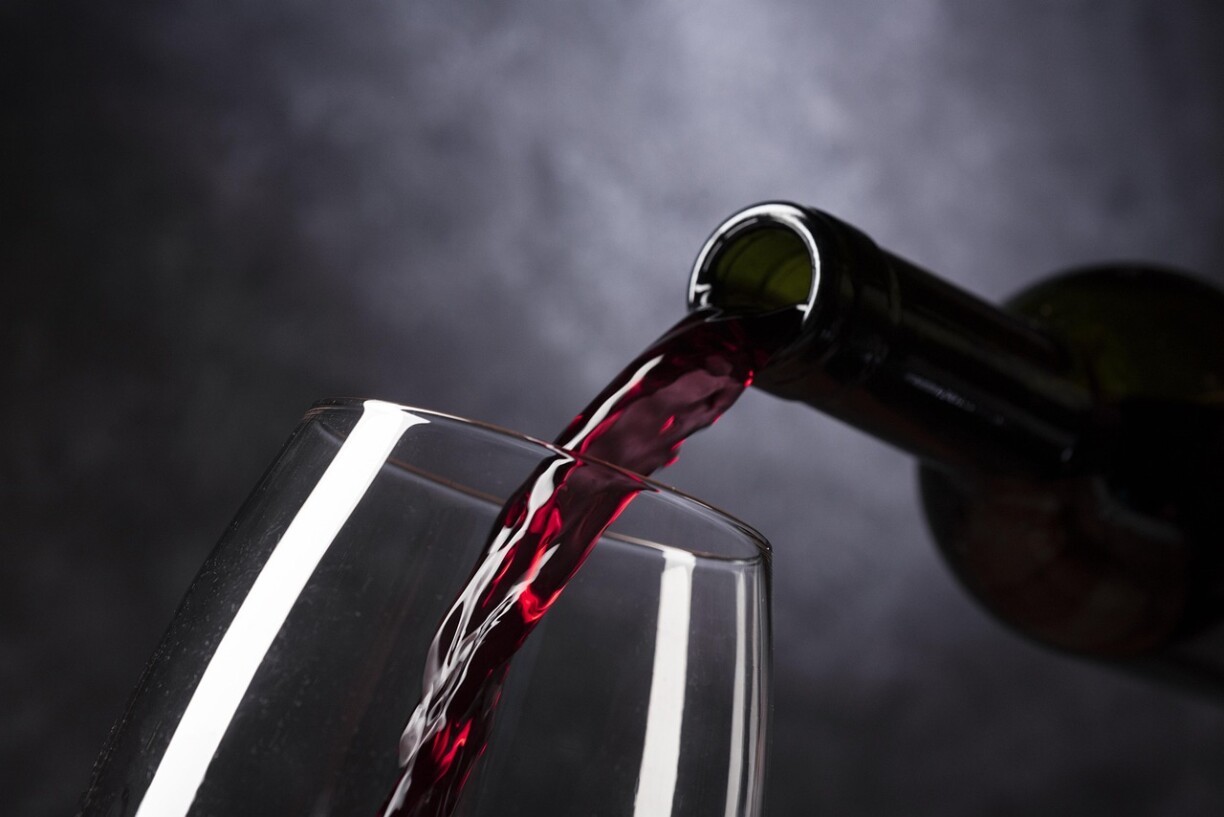
The decision to aerate a wine depends primarily on its age and structure. Young, high-quality red wines with robust tannins often benefit from carafe-ing. When a wine is only four or five years old, it can taste "closed" or tight upon opening. Allowing it to breathe in a carafe helps it open up and reveal its full character by serving time.
Conversely, caution is advised with older red wines. These are often already at an advanced stage of development. Prolonged exposure to air in a carafe can cause rapid oxidation, leading to unpleasant aromas and flavours reminiscent of rotten fruit or cold coffee – an outcome best avoided.
Pairing wine with a meal hinges on a fundamental principle: the wine should complement the food, not overpower it. For light dishes such as fish, seafood, or salads, a fresh white wine or crémant is an ideal match. Chicken and other white meats pair well with a rounder white wine or a light, low-tannin red.
Hearty meat dishes – including beef, game, or stews – call for structured, full-bodied red wines that can stand up to rich flavours. With cheese, the pairing depends on its character: fresh cheeses harmonise with white wines, while mature, strong cheeses can accompany a powerful red.
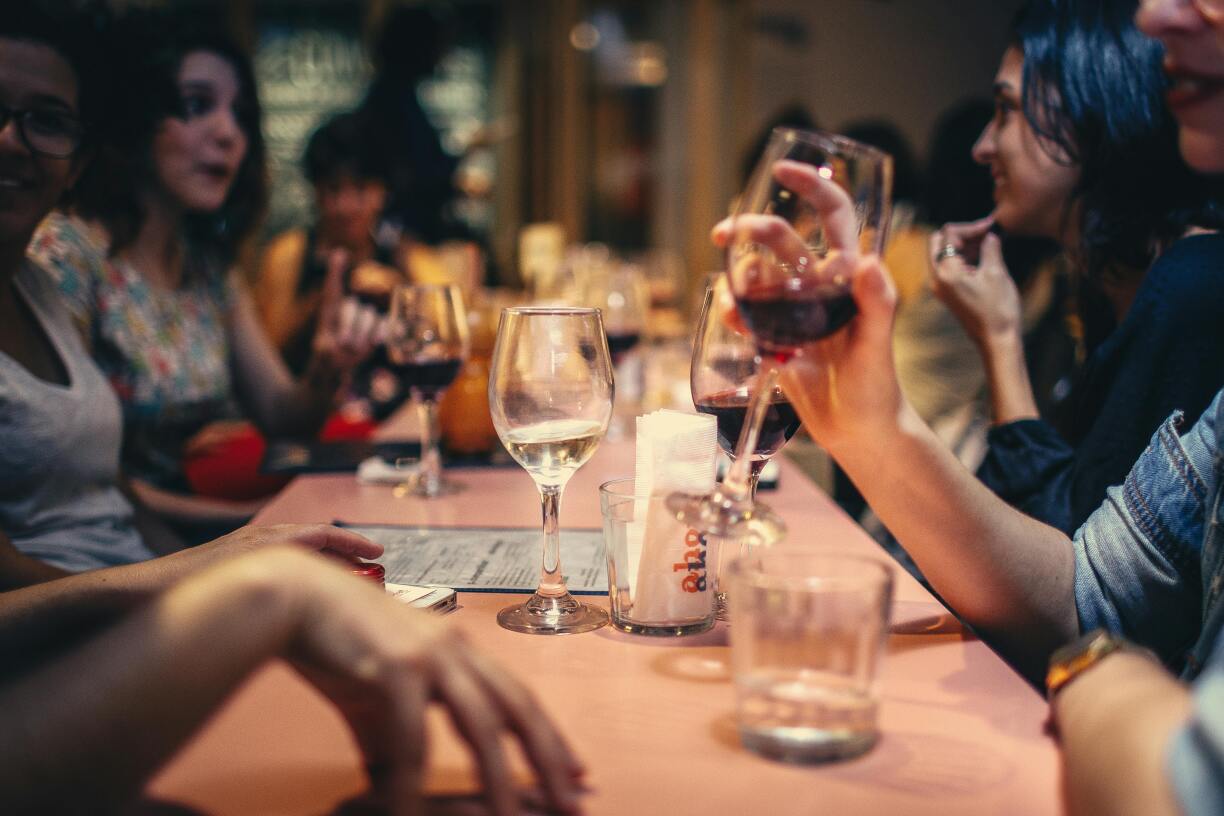
Ultimately, personal preference is paramount. "The best combination is the one you enjoy", notes Claude François. He suggests a festive approach for holiday gatherings: "You can open several different bottles at once and try them together to see who finds which wine a better match for the dish."
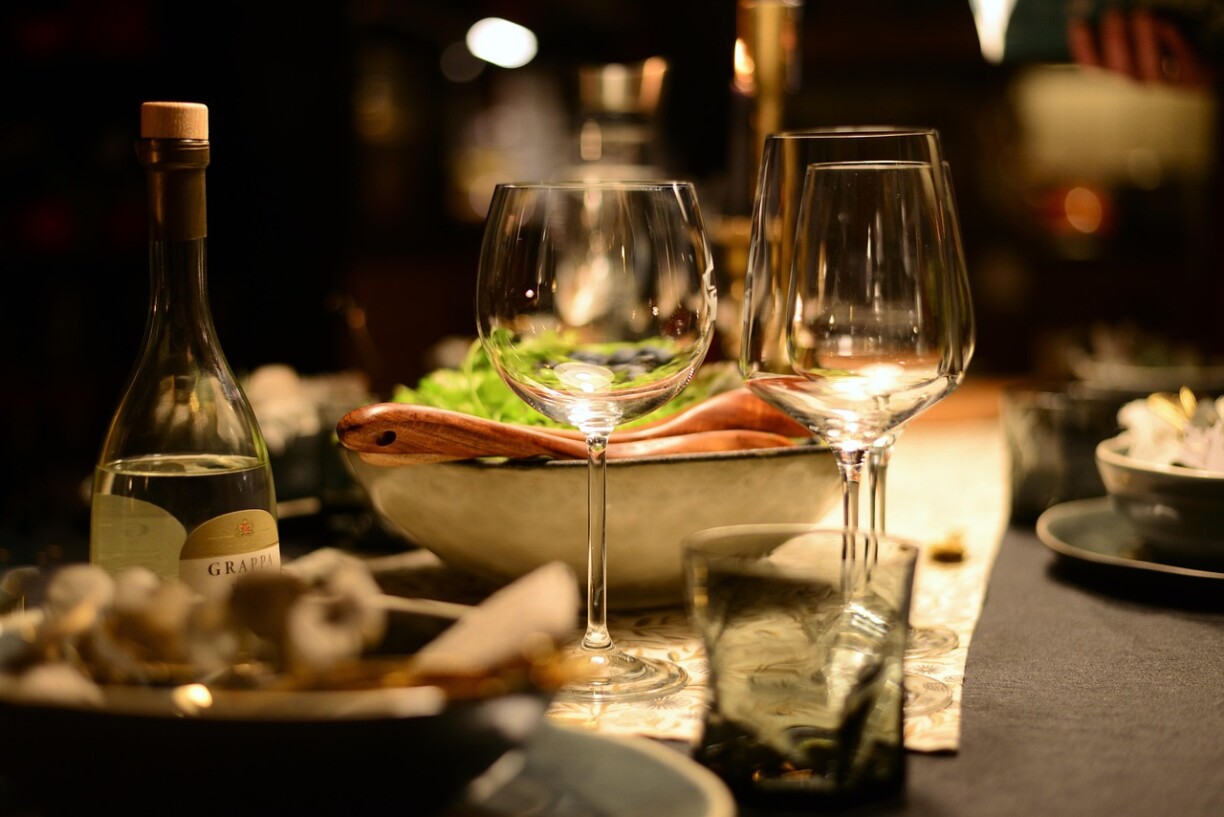
The choice of glassware significantly influences the wine's aroma and taste. Red wine is served in a large, wide-bowled glass. This shape allows the wine to breathe, helping its complex aromas to develop. White wine is best in a smaller, narrower glass.
This design helps maintain a cooler temperature and concentrates the wine's fresh, often more delicate, aromas. Crémant or sparkling wine is traditionally poured into a tall, narrow flute to preserve the bubbles and effervescence. Rosé typically finds a middle ground: a glass that is not as large as a red wine glass nor as narrow as a white wine glass.
While perfection is not the goal – and a wine can still be enjoyed from a water glass in a pinch – using the appropriate glassware undoubtedly enhances the tasting experience.