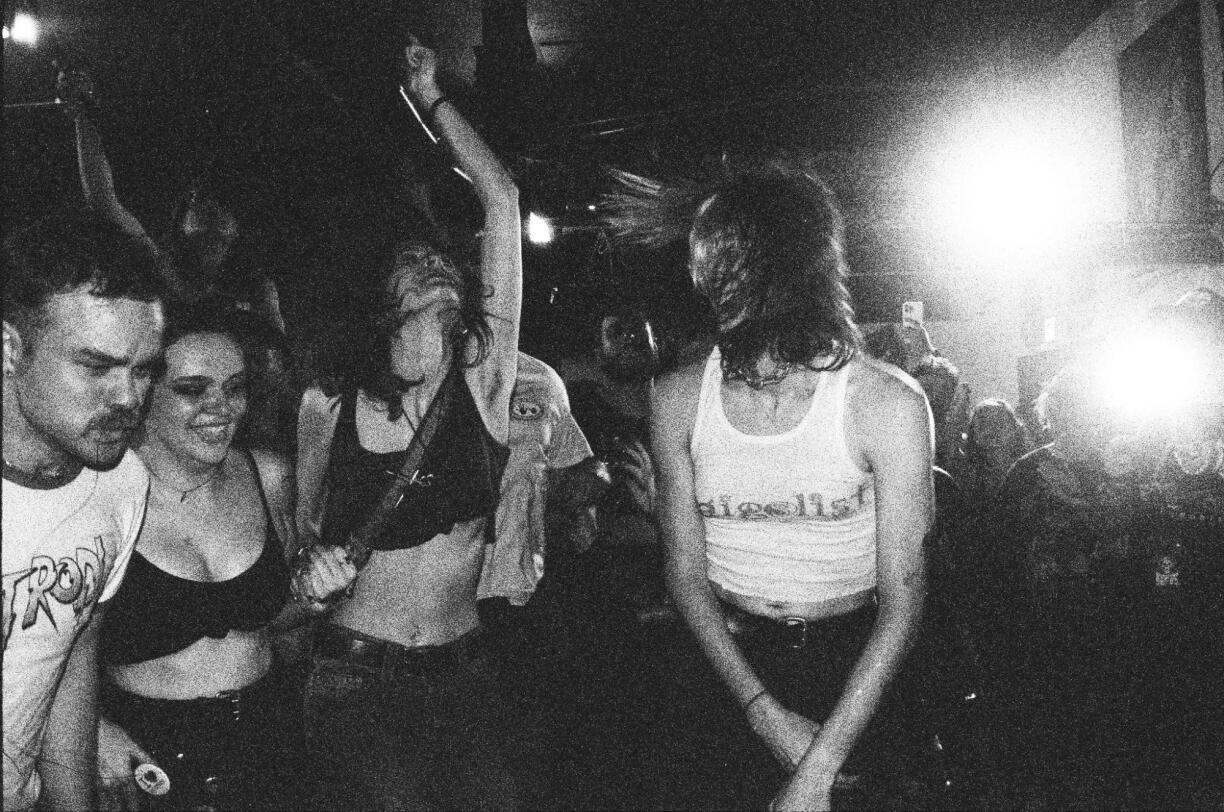
It was 1984 in Washington DC. Tension in the hardcore punk scene had been rising. As the music became more violent, so did the fans. But punk has never been afraid to be intense, grating, angry…
So, what was the problem?
So-called boneheads were the problem: skinheads, machos, and racists. Like the punks, they were political, and very vocal about it. They shared anti-establishment and anti-authority attitudes, however punk is all about fighting against oppression, and for equality. So, something had to be done.
Revolution Summer began in 1985. A straight edge movement aiming to rid the scene of bigotry. As with most things, it all began with a woman: Amy Pickering (later of Fire Party), at the time working for Dischord Records.
Out with the sexism, the vandalism, and the vicious mosh pits.
So, they left the leather and studs behind, and a new movement emerged. Understated but authentic, they preached vegetarianism and activism, came in wearing button-ups and jeans, and sang about their feelings.
Because what better way is there to fight the external brutality of the scene than by giving power to the internal, the personal. And so, emotional hardcore was born.
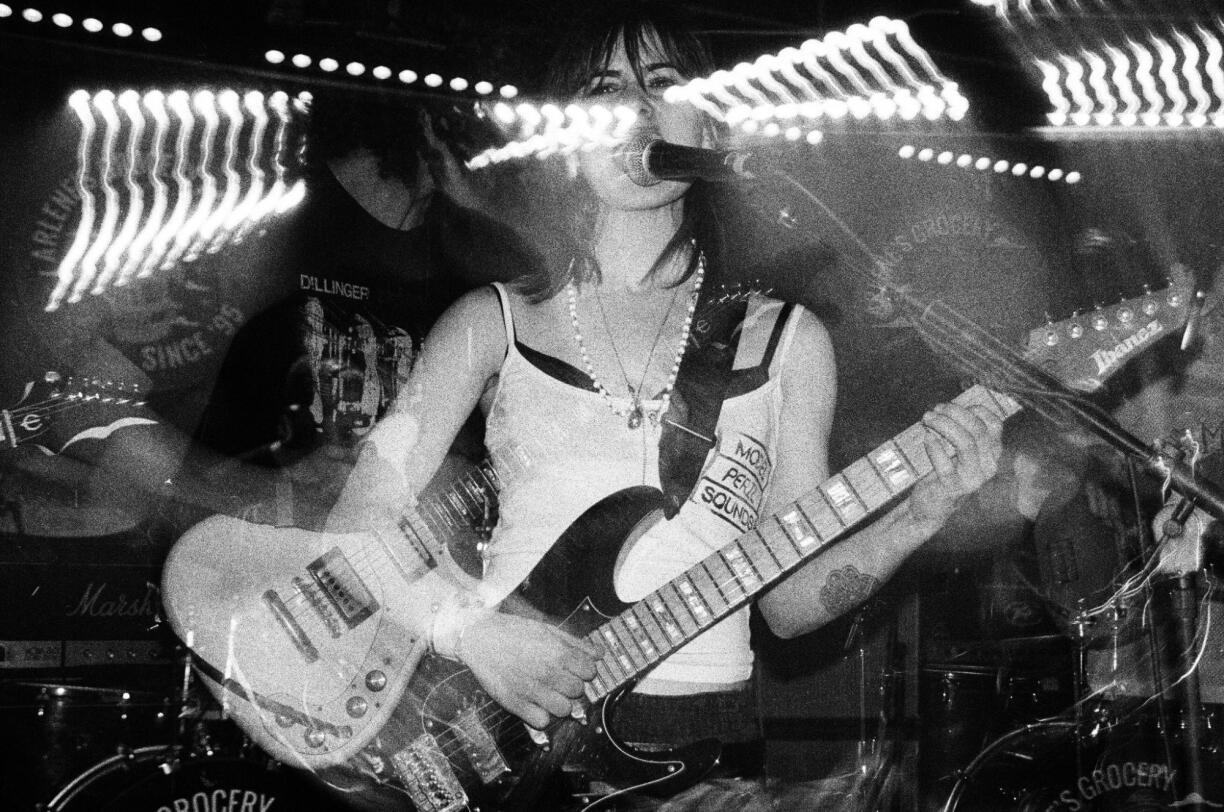
Often considered to have released the first emocore (emotional hardcore) record ever (their self-titled 1985 album), Rites of Spring entered the scene in the midst of Revolution Summer and sang songs of yearning, love, and pain.
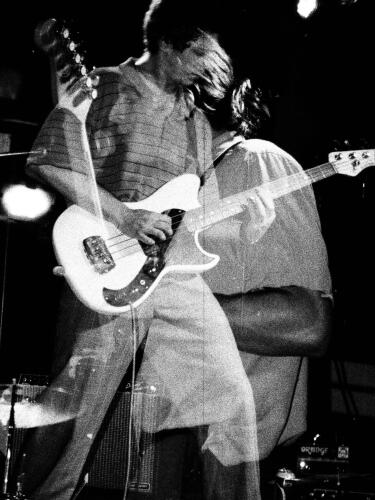
And although they didn’t care much for the label (and they weren’t the only ones), their music paved the way for forty years of musical evolution within and alongside the emo genre.
At this point, emocore was still in the process of differentiating itself from the hardcore punk scene, which is one of the reasons many bands of the time are often labelled as both.
Much of the anti-mainstream/DIY sentiment of the punk scene resulted in small releases, underground concerts, and very little publicity for bands.
Over the years, this made it increasingly hard to keep track of relevant bands of the time. However, key players like Embrace, Dag Nasty, and Moss Icon still have a dedicated following.
As the 90s rolled around, emo left the DC area and began to develop into a wide range of subgenres.
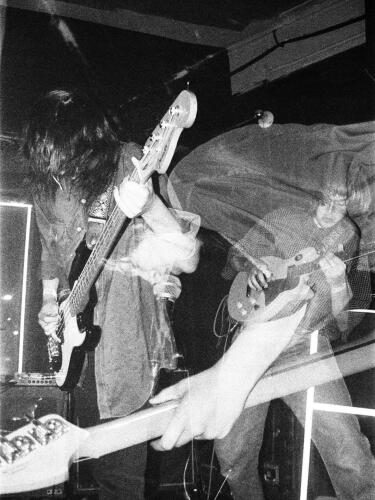
Some bands held on to the grit of their punk origins while leaning further into intimate lyricism, developing genres like Screamo/Skramz and emoviolence.
Burnt out by the demanding pace and intensity of hardcore punk, they slowed down the tempo and emphasized grueling vocals and poetic lyrics. Examples of this are Orchid and Saetia (a personal favorite).
Others took the sound in a new direction while preserving the emotion and vulnerability of emocore, resulting in early Midwest emo and emo pop.
While many Midwest emo bands didn’t consider themselves emo at the time–often simply because the term wasn't fully established–, the misery of living in a small town evoked familiar flavors of sadness, hopelessness, and loneliness.
The 2000s were THE age of emo (music, culture, spirit): Side bangs, eyeliner, and Hot Topic were all the fuzz… and also, according to many, not “real” emo. Influenced by Midwest- and pop emo bands like Jimmy Eat World and American Football, pop punk became the defining sound of the youth during this time. Emo subculture and music, however, lost traction.
Many of the sub-genres that defined the sound of emo throughout the 80s and 90s began to fade away as their fans aged, leaving only the aftertaste of what they used to be.
Purists coined the term “mall emo” for the subculture that developed around this time, poking fun at its Hot-Topic-obsessed teenage following known for loitering around food courts.
While this author agrees that the name "emo" is widely misattributed to artists that retain little to none of the essence of the original movement, there is a case to be made in favor of bands who may not be emo (whether that is because of their values, style, history, etc.), but propagated its spirit of noble rebellion and vulnerability.
Such as My Chemical Romance.
After a period of stagnation in the 2000s, a few young daydreamers and scholars of second wave emo decided it was time to make things right.
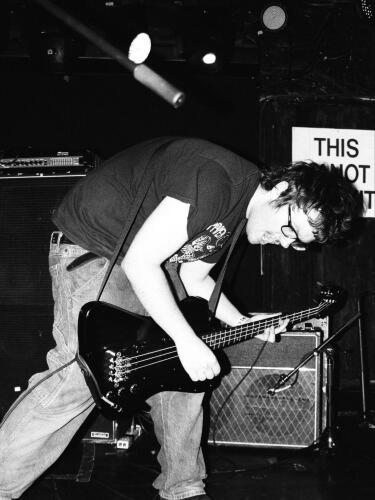
Emo revival sought to replicate the math-rock-inspired sound of second wave emo, often using newer and more experimental instrumentation.
This also resulted in twinkledaddies, a gentler and dreamier genre accompanied by bursts of intense vocals and characterized by reflective and nostalgic lyrics.
This movement also resulted in screamo revival. While often less musically grating than the original screamo from the 90s, it employs similar vocals and themes.
Emo and screamo revivals put the focus back on small concerts, DIY ethics, and intimate communities.
The current state of emo is difficult to analyze because it is still evolving and developing. It seems to follow in the footsteps of emo revival and twinkledaddies in trying to preserve sounds and values of early emo bands.
Genres like bedroom emo and bedroom skramz emphasize the DIY aspect of the genre that had been underrepresented for decades, while remaining as experimental as ever.
Others like emogaze (emo-shoegaze) have borrowed elements from other genres – as is often the case – and made something completely new. Emo seems to be heading towards maximalism, playfulness, and loudness. And as the current era seems to be coming to a close, many of us will be keeping our eyes peeled for whatever comes next…
Written by Lucia Cullen, in collaboration with Riley Natalova at smilesfilmphotography.com
'I’m the angry son' – Title from Rites of Spring’s Hidden Wheel and Indian Summer’s Woolworm and Angry Son
Playlist: https://open.spotify.com/playlist/4ebDhxfOSCgWOfJcymj6lS?si=d795ef2e98fc436e
ROUX Student Magazine is a student club at the University of Luxembourg. Everything in the magazine is 100% made by students for students and now for you :). The article you just read was featured in our Issue 30. You can find all issues digitally or grab the newest one for free physically in our monthly publication events. Contact us on instagram: @roux.magazine or email us on paper.roux@gmail.com.





