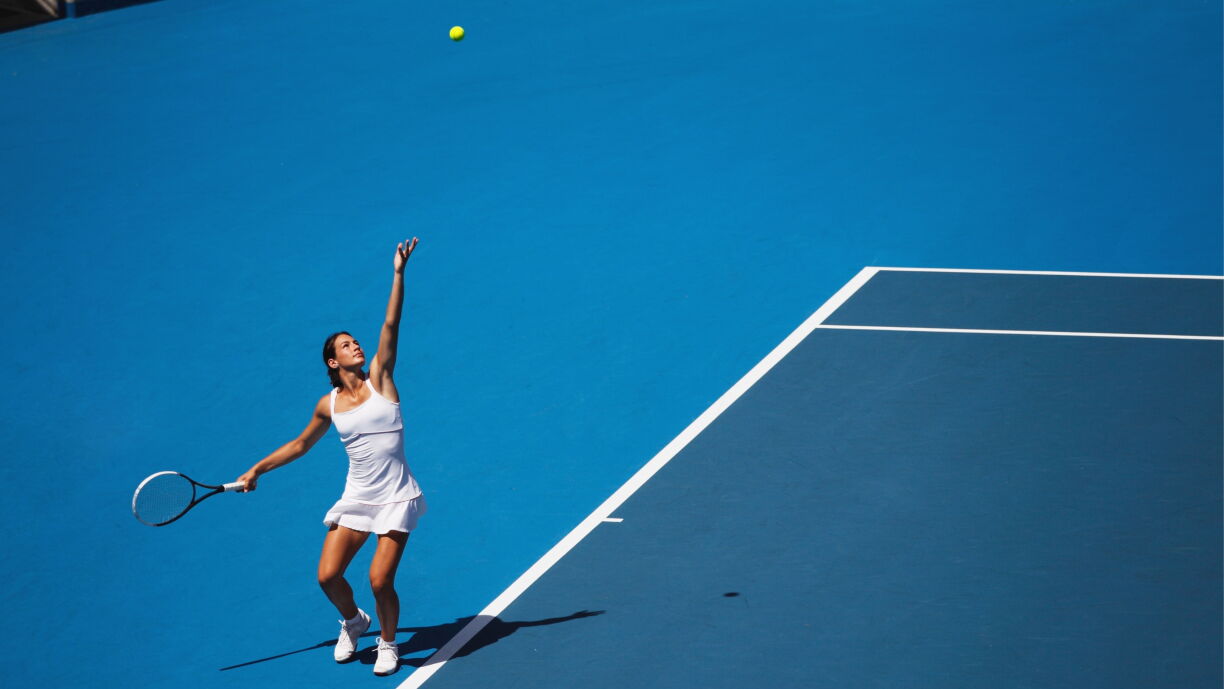
A woman's bodily functions are different than those of a man, particularly when it comes to sport. However, scientific data on women's health in sport remains scarce, a key conclusion from a recent congress organised by the Medical Sport Centre (CMDS) at the Centre Hospitalier Emile Mayrisch (CHEM) in Käerjeng.
Questions surrounding the impact of the menstrual cycle on athletic performance remain largely unanswered. According to the report, only 6% of medical studies address the female cycle and its effects on performance.
This lack of scientific evidence is partly rooted in historical inequalities in sport. For instance, women were only allowed to compete in the Olympic marathon for the first time at the 1984 Los Angeles Games.
Going forward, the CMDS aims to help address this research gap and translate scientific findings into practical support for female athletes. To that end, it has established a close collaboration with HumanFab in Aix-en-Provence, a centre specialising in sports medicine for both elite and amateur athletes.
The partnership will provide access to advanced measurement technologies and laboratory facilities. A laboratory at the CMDS centre will allow specialists to assess athletes' physical and functional abilities, monitor their rehabilitation and return to sport, and tailor training and recovery programmes to individual needs.
One of the congress's central messages was that coaches and those working with athletes need to be better informed about women's health. Greater awareness could help them recognise when training needs to be adapted, rather than expecting athletes to push through difficulties without discussing them.
Although the menstrual cycle does not affect every athlete in the same way, experts stressed the importance of taking individual symptoms seriously. Painful periods involving heavy bleeding, for example, can influence training and should be taken into account when planning an athlete's workload.
The importance of this approach was also highlighted by former Luxembourg professional tennis player Mandy Minella. Looking back on her 22-year career, she said she had been surrounded by male coaches and an entirely male medical team.
Although she described the experience positively, she recalled that questions about her energy levels and menstrual cycle were never raised. Even when she felt tired or lacked energy, she simply had to push through.
Minella suggested that coaches should be made more aware of these issues and encouraged to discuss them openly with female athletes.
Menstrual health, she argued, should be recognised as a normal part of a woman's sporting life rather than a subject left unaddressed out of embarrassment or modesty.
While the CMDS collaboration and the growing focus on female athletes represent steps towards more individualised care, there is still a long road ahead before research in sport is truly equal and inclusive for women and men alike.
More research, better data, and greater awareness among coaches and medical professionals will be essential to achieving a more equal approach to sports science and supporting women throughout their athletic careers.





