From performing with Cirque du Soleil to choreographing large-scale productions and presenting the dance series MOVE! on RTL, the Luxembourg-born artist has built a reputation sharing, teaching, and spreading the communal nature of dance – and for exploring how dance reflects culture, politics, and human connection.
"Movement can be political, emotional, or joyful. But most of all, it connects us."
During a visit to the RTL Today Radio studio, Camarda spoke about her dance journey, the message behind her television series, and why movement can be a powerful tool for expression, especially for those who struggle to communicate through words.
As a professional dancer and choreographer, Camarda’s career has spanned stages and continents. She has represented Luxembourg internationally and worked with major productions, including Cirque du Soleil.
Most recently, she created the choreography for the Trounwiessel celebration in Dudelange, a project in which she was given full creative freedom. "I got carte blanche", she explained. "The whole show came out of my brain."
Alongside her choreography work, Camarda is now in her fifth season presenting MOVE!, a television series initially produced for ARTE that explores dance traditions around the world.
The program, has taken her across the globe, from South Africa to Japan, and Brazil, examining how movement reflects the identity and struggles of different societies.
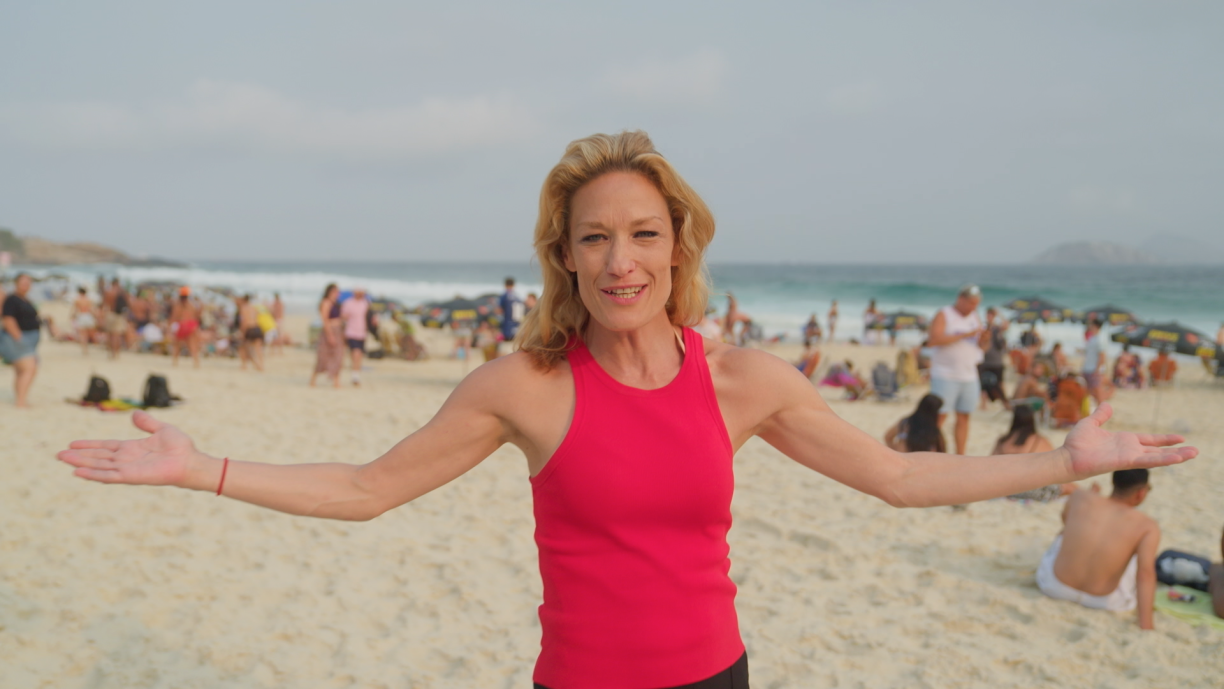
At its core, MOVE! asks a deceptively simple question: How does a country move?
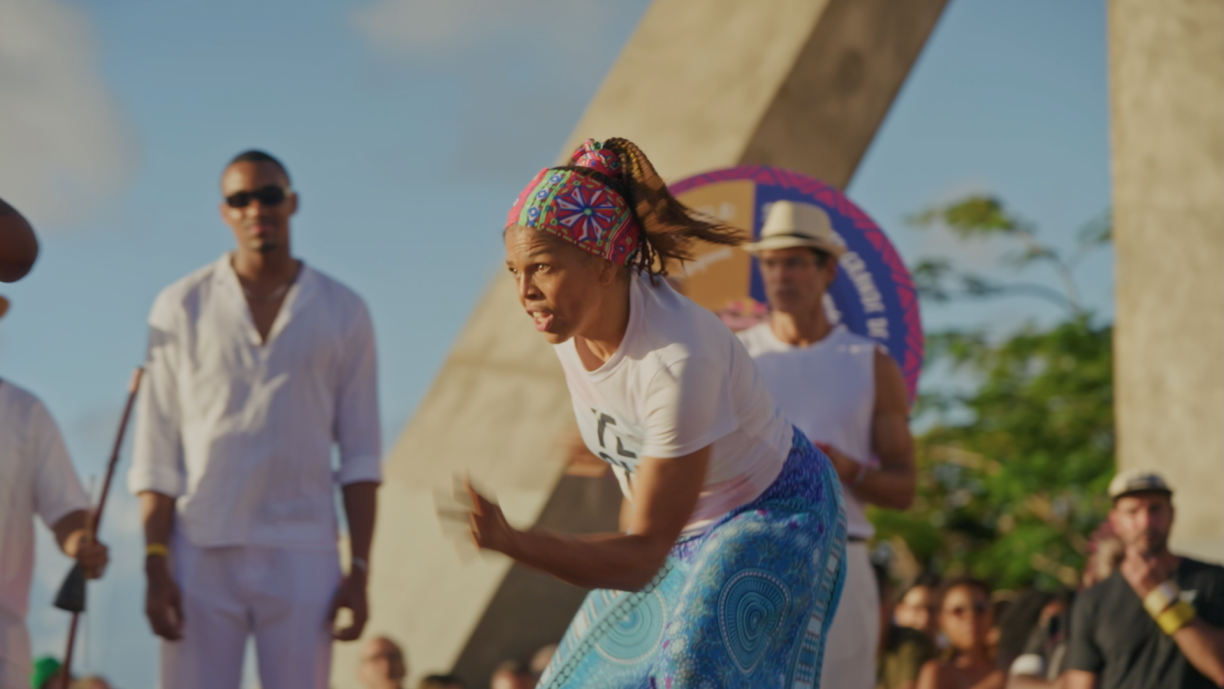
Traveling to a new location for each episode, she explores how dance is shaped by history, culture, and community. In Brazil, for example, she looked into capoeira in the state of Bahia, tracing its origins in slavery and its modern role as a tool for social change.
"We went back to the roots of why capoeira exists", she explained. "Today it’s also used to bring young people together and keep them away from crime or violence."
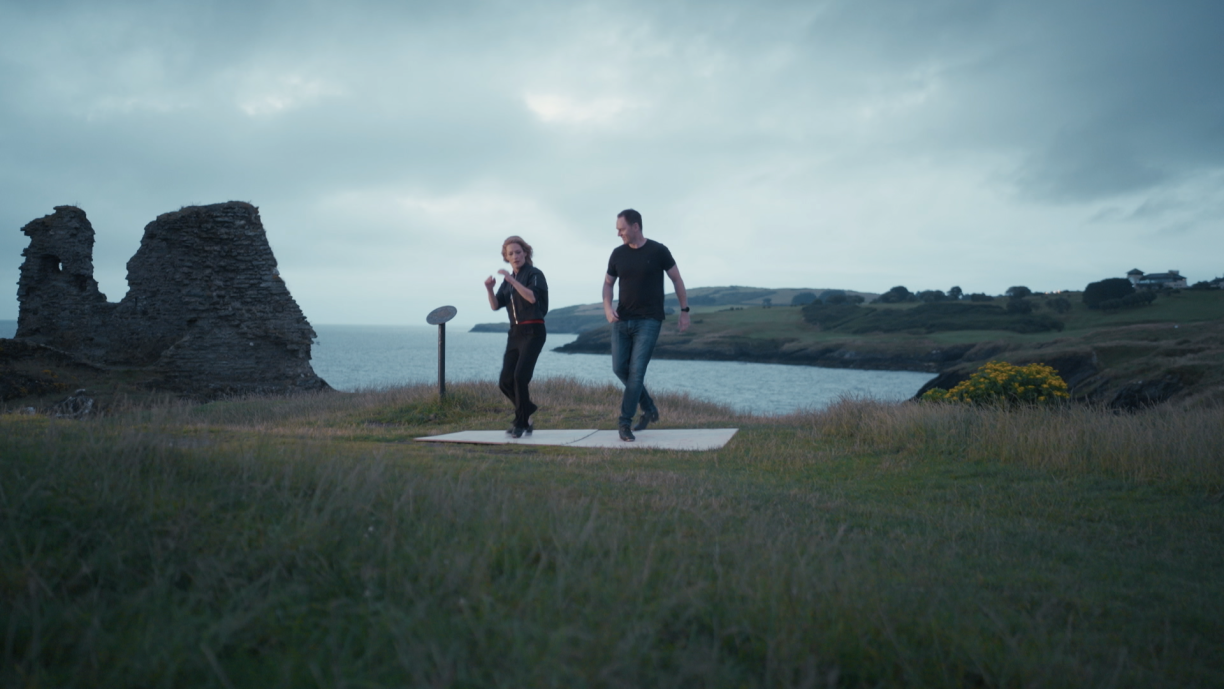
In Ireland, she explored the demanding precision of traditional Irish dance. The style’s rapid footwork, even for a trained professional, proved to be a challenge. "The legwork is incredible. You realize how much discipline and training goes into something that looks effortless."
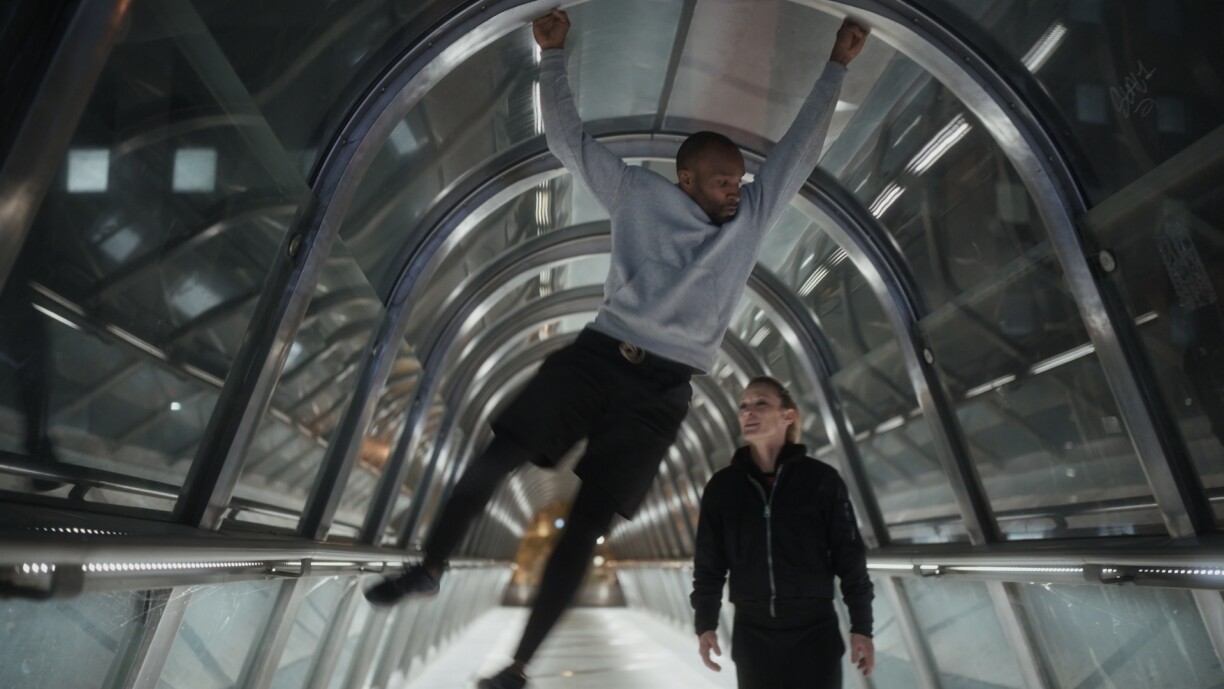
In South Africa, Camarda documented dance in townships where movement often becomes a form of political expression when words are not enough. "Some people don’t have a political voice", she remarked poignantly. "So they use their bodies to communicate."
Camarda draws on her own childhood to illustrate the expressive power of movement. As a young girl, she struggled with a stutter which made verbal communication difficult. "Dancing became my way to express my thoughts – I could say things with my body that I couldn’t say with words."
At 14, she left Luxembourg to attend ballet school abroad, pursuing the dream that many around her had dismissed as unrealistic. "When I said I wanted to become a dancer, people told me every girl wants to be a dancer or a princess", she recalled. "But I had a dream. And I followed it."
Ironically, years later she found herself hosting a television show, speaking publicly in German – once a very challenging language to her.
"It was a big step for me", Camarda admitted. "But sometimes you have to confront what scares you!"
For Camarda, movement isn't just a performance. It can also be a tool for mental health, self-expression, and community-building. Indeed, she insists that everyone can dance. "People say, 'I can’t dance.' That’s not true. It just means you haven’t found your way yet."
She has worked extensively with inclusive dance groups, including performers with disabilities and those facing psychological challenges. In one project, a wheelchair user became the emotional centerpiece of a performance. "He cannot walk by himself", Camarda explained, "but on stage he makes people feel like they are flying."
Her work has also included dance programs for children with different developmental conditions – which taught her that ability often has little to do with physical limitations.
"Sometimes the kids who supposedly have everything are the ones who struggle the most", she says. "They might just be missing love or support."
With new episodes of MOVE! coming to RTL every Monday evening at 7pm, Camarda hopes audiences will discover the deeper stories behind dance traditions – and perhaps rethink their own relationship with movement.
Each episode runs around 20 minutes, offering viewers a quick but meaningful journey into the cultural power of dance.
For Camarda, however, the message is simple: "Movement can be political, emotional, or joyful. But most of all, it connects us."
And whether on a global stage or in a community class, she believes the same principle applies: when words fall short, the body can still speak.





