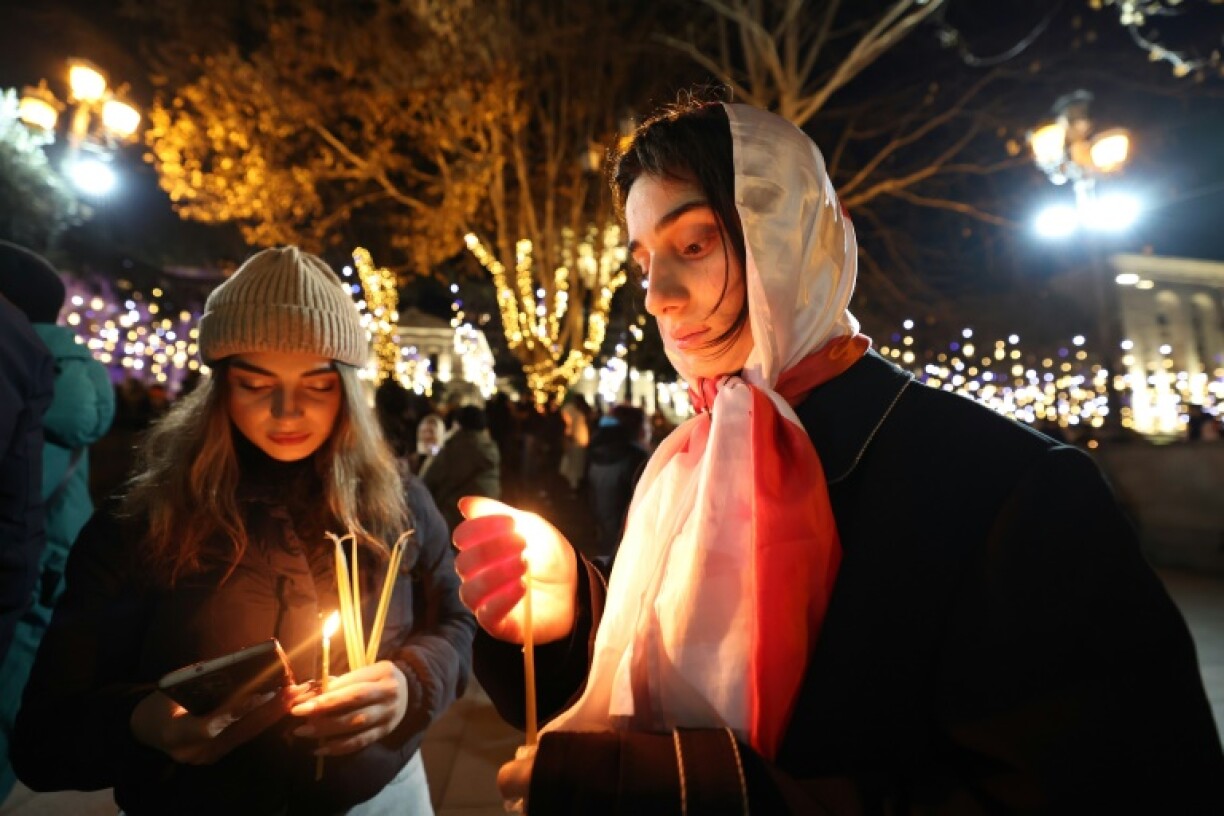
Some Orthodox Christians around the world mark Christmas today, on 7 January. The reason lies not in a different religious tradition, but in the calendar used to determine the date of Christmas. While most of the world follows the Gregorian calendar, some Orthodox Christians continue to follow the older Julian calendar, which currently runs 13 days behind.
The discrepancy dates back to 1582, when Pope Gregory XIII introduced a reform of the existing Roman calendar. The Julian calendar, created in ancient times, slightly miscalculated the length of a solar year. Over centuries, this small inaccuracy caused the calendar to drift away from the astronomical seasons.
To correct this, the Gregorian calendar was adopted, gradually becoming the international civil standard. However, several Orthodox churches chose to retain the Julian calendar for religious feasts, viewing the reform as unnecessary or theologically inappropriate.
By the early 20th century, the gap between the two calendars had widened to 13 days. As a result, Christmas Day – 25 December in the Julian calendar – now corresponds to 7 January in the Gregorian system used in Western countries.
It is important to note that, in essence, Orthodox Christians who celebrate Christmas on 7 January are still observing it on 25 December, according to the Julian calendar. The celebration itself has not shifted; only the calendar reference has.
Not all Orthodox churches follow the same practice. Countries such as Romania, Greece, Bulgaria, Albania, and Cyprus have adopted the revised calendar and now celebrate Christmas on 25 December.
Meanwhile, Orthodox communities in Serbia, the Republic of Moldova, Russia, Belarus, and Georgia continue to mark the holiday on 7 January.
In the Republic of Moldova, in 2013 the authorities approved 25 December as a public holiday for those who celebrate Christmas according to the new style. As a result, today around 36% of localities in Moldova mark Christmas on December 25. Some Moldovan families celebrate Christmas twice, observing both the Julian and Gregorian calendars.
Ukraine had previously followed the same tradition, but in 2023, following Russia's full-scale invasion, its parliament voted to move Christmas Day to 25 December, choosing to follow the Gregorian calendar.
Despite the differing dates, the meaning of Christmas remains the same across Christian traditions: a celebration of the birth of Jesus Christ, observed with faith and family gatherings.





