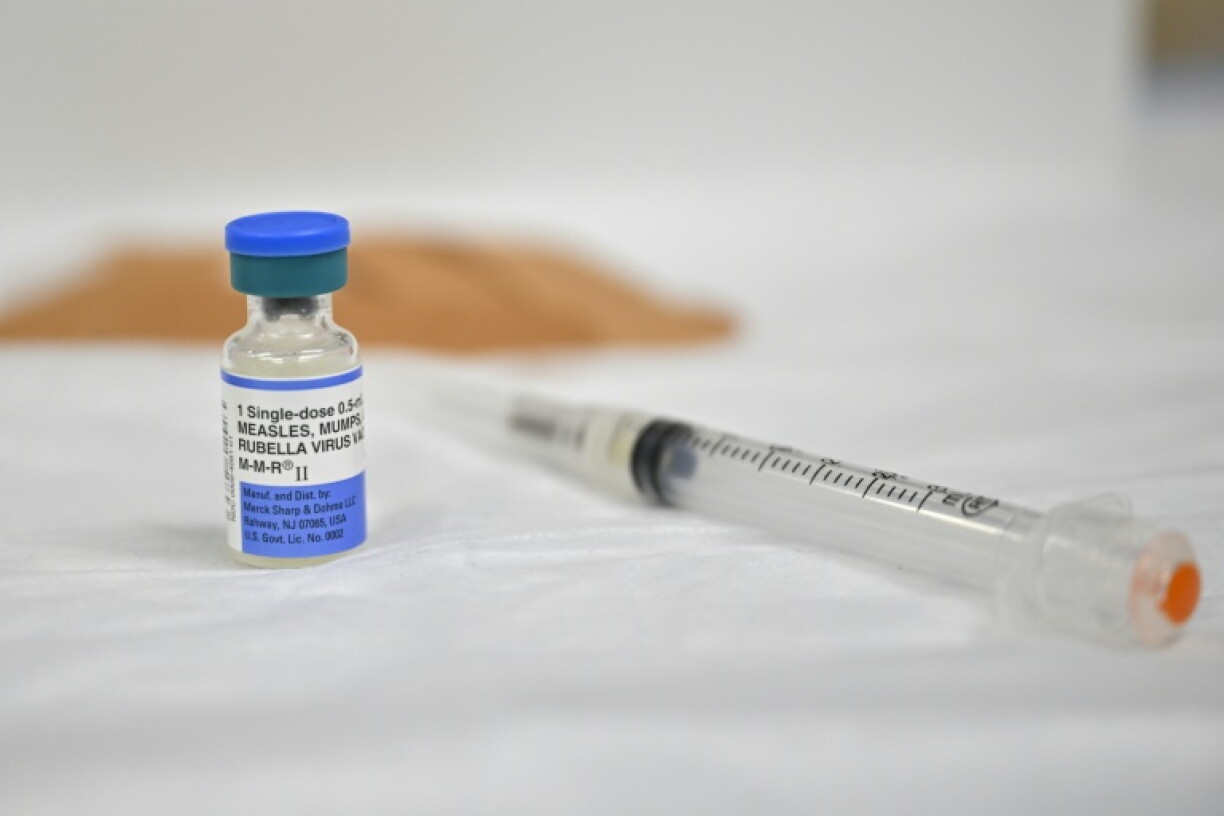
Health authorities in Pennsylvania are taking their measles vaccination campaign to the doorsteps of rural Amish communities, among the hardest groups hit by a US outbreak, offering shots in people's homes to curb the disease.
Against a backdrop of falling vaccination rates across the United States, the country lost its measles elimination status in mid-November, a designation it had held since 2000.
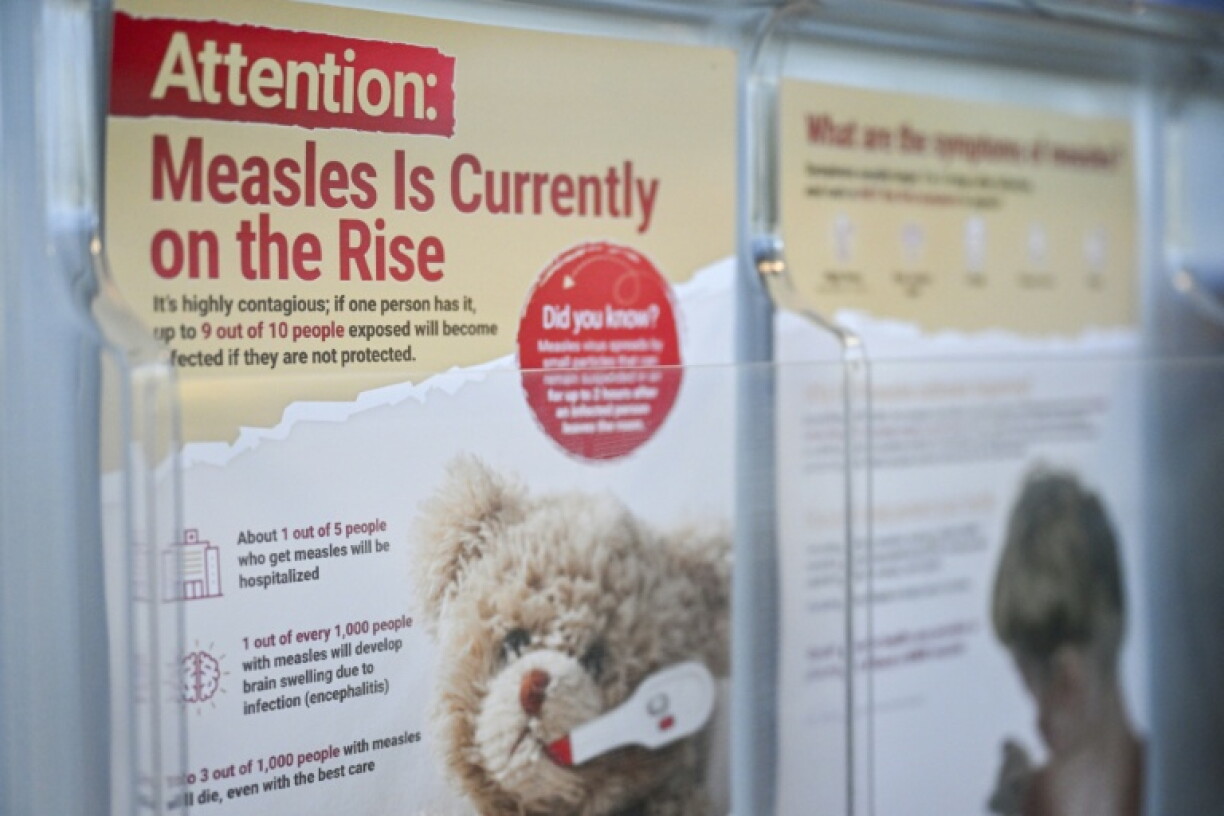
The highly contagious disease causes fever, respiratory symptoms and skin rashes. In some cases, it can lead to pneumonia and inflammation of the brain, potentially causing lasting damage or death.
More than 1,600 cases have been identified in Pennsylvania since the start of the year along with nine deaths, according to health authorities, making it the worst-hit US state.
The outbreak has particularly affected areas home to more than 40,000 members of Amish and Mennonite communities, who favor a rural lifestyle largely removed from modern society and have very low vaccination rates.
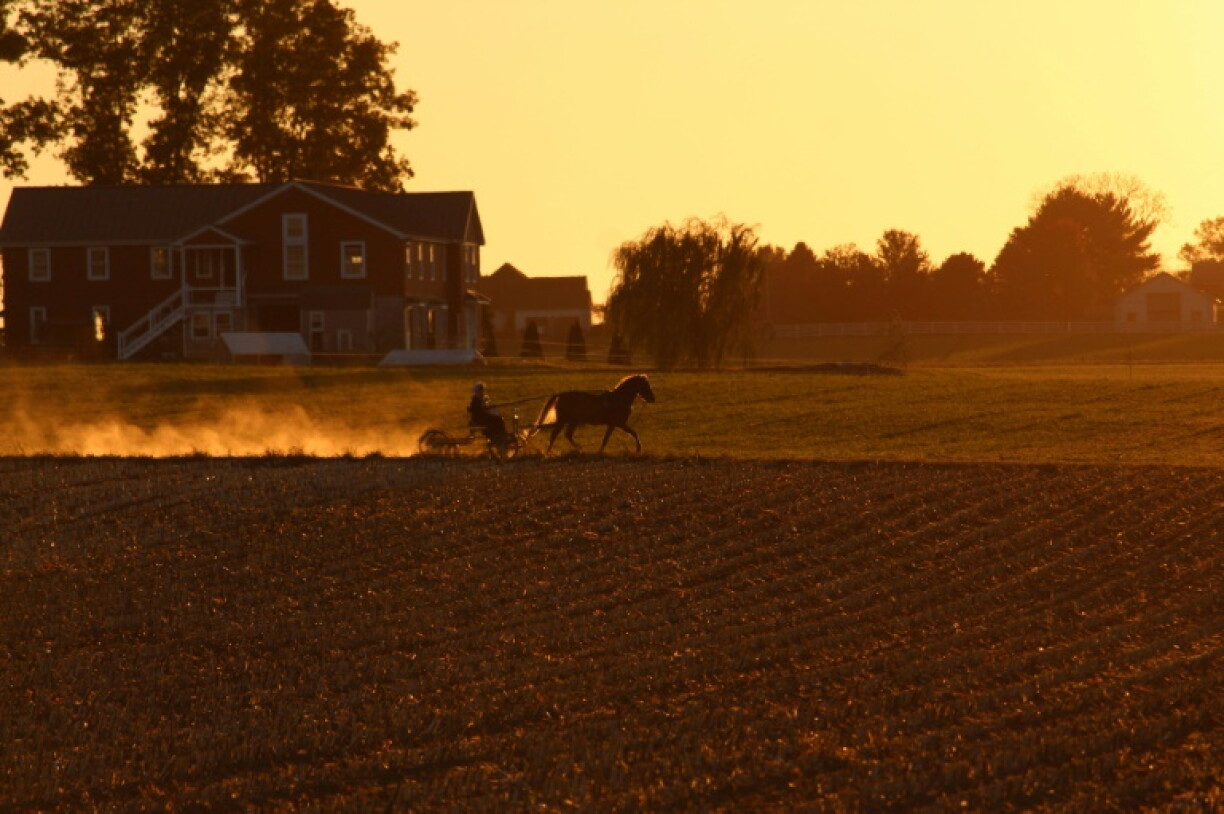
"They are not opposed to it. It is more of a household decision that each family makes," said Jeanne Franklin, head of public health for Pennsylvania's Chester County.
"They don't interact with traditional Western medicine, so they're not typically going to preventative care physicians, traditional family doctors," she added.
"They tend to go to specialties like chiropractic or dentists. So they're not getting the education or the opportunity through those."
Nor do they have health insurance, added Dale Weiser, the county's clinical services supervisor.
At a market where they sell produce from their farms, Amish people approached by AFP were willing to discuss the issue but did not want to be quoted by name.
Older adults said they had their children vaccinated, but those children had generally not done the same for their own kids. A woman in her 60s added that one of her sons had since changed his mind in light of the outbreak.
Franklin and Weiser's teams decided to reach out directly to these communities to inform them about measles immunizations available at a locally established vaccination clinic.
"Then we started to get phone calls," Weiser said, citing a person who asked for a home visit and offered to invite others.
"We went and did like 37 people, and then we went back a couple days later and did 67 more."
Since then, she has been making repeated home visits and regularly answering questions about the ingredients in the vaccines and their alleged health risks.
Despite being largely absent from the internet, the Amish have also been exposed to anti-vaccine rhetoric, including from Robert F. Kennedy Jr., who spoke at an agricultural fair in Pennsylvania in July 2021, before becoming health secretary under President Donald Trump.
According to Weiser, around 50 households have been visited and nearly 500 vaccine doses administered among the few thousand Amish families living in Chester County.
"Adults and older children were the first ones that we saw being vaccinated, and then a lot of times families would call me back and say, 'Well, can you come back and do our younger children?'"
For the nurse, the most important outcome is the network of contacts and the relationship of trust established with these communities, which could prove crucial in future measles outbreaks or other epidemics.
"I think we're in this for a couple of decades," she concluded. "We're starting to have a generation where not only the children are not vaccinated, but the parents aren't vaccinated.
"So we need these kids to grow up and make a different choice for their own children."
pel/bjt/jgc