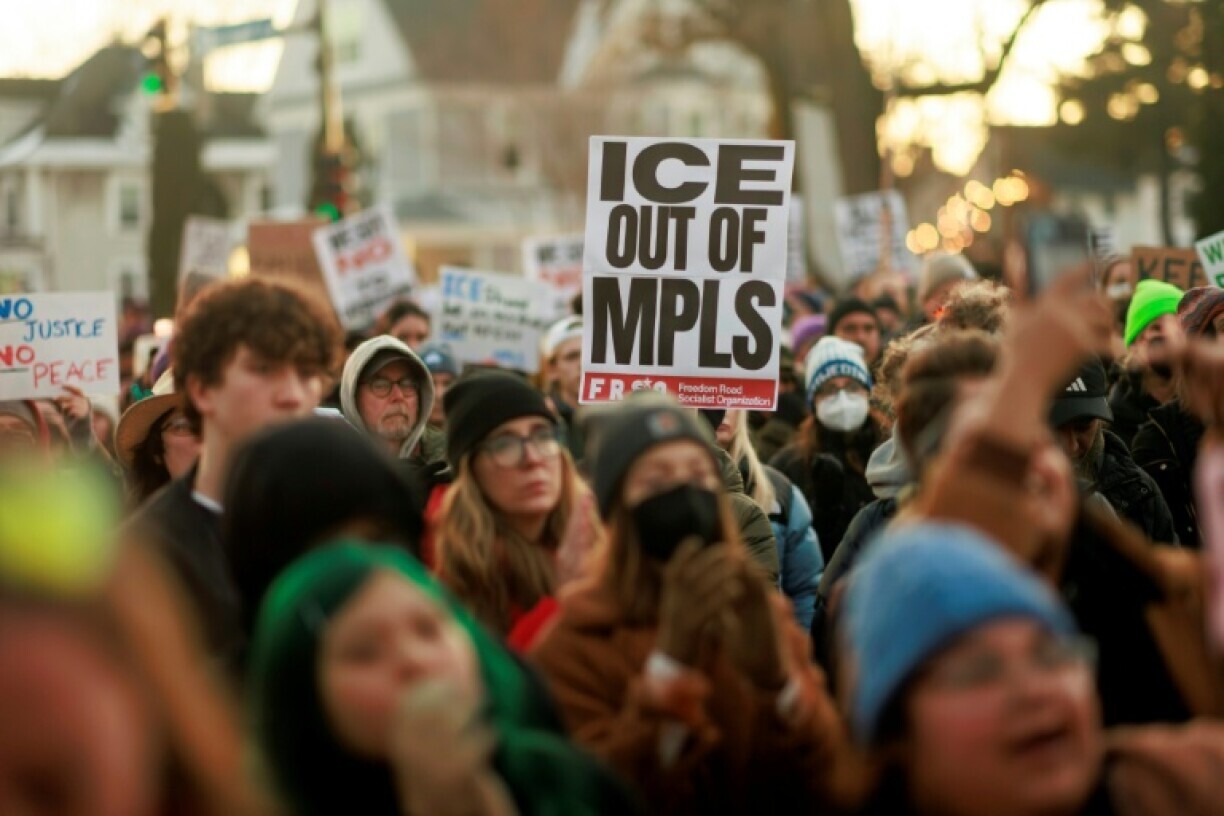
RTL Today was recently contacted by a US-American with Luxembourg ties, who shared insight into daily life in parts of Minnesota in the context of immigration raids. The resident asked to remain anonymous due to safety concerns and described a growing sense of fear, tension, and political division.
The fatal shootings of two US citizens during federal immigration operations in Minneapolis in early January sparked widespread outrage and intensified scrutiny of enforcement tactics. Renée Good, 37, was shot dead on 7 January 2026 during an encounter with immigration agents, while intensive care nurse Alex Pretti, also 37, was shot multiple times on 24 January during a protest against the crackdown.
Both deaths prompted national protests and international condemnation, particularly after officials initially described the incidents as self-defence, accounts later challenged by witness testimony and video evidence.
The killings triggered mass demonstrations, with tens of thousands protesting immigration raids and demanding accountability, placing Minneapolis at the centre of a national debate over federal immigration enforcement. The political fallout was significant, with the Trump administration later announcing a reduction of federal agents in Minnesota while signalling that wider immigration operations would continue across the country.
Demonstrations also spread internationally. In Luxembourg, protesters gathered outside the US embassy in solidarity with demonstrators in Minnesota and to denounce the federal immigration crackdown.
According to the resident interviewed by RTL Today, opposition to Immigration and Customs Enforcement (ICE) has become increasingly visible across Minnesota. They described the overall mood in many communities as "ICE Out" and "No one is illegal on stolen land", slogans they said are widely shared during demonstrations and community gatherings.
The resident said these messages reflect a broader understanding of US history. "It is a common axiom in the US that everyone on this continent, except for Native people, is an immigrant to this land or was forcibly brought through enslavement", they explained, adding that many people are also increasingly aware of how land was taken from Indigenous communities and built using migrant and enslaved labour.
Within this context, the resident said many critics see ICE as targeting recent arrivals while avoiding deeper historical responsibility. They described enforcement as "punish[ing] the most recent newcomers of being here 'illegally' instead [of] looking in the mirror and making reparations".
Public reaction, however, is not uniform. The resident said many white Americans are only now recognising issues long raised by minority communities, describing it as "many white people [being] newly awakened to the longtime oppression which BIPOC communities have been denouncing for a very long time".
Support for ICE still exists, particularly among conservative groups. The resident said this support can sometimes surface through hostility towards protestors, but more often appears through political rhetoric that downplays enforcement concerns.
"What is most common are the gaslighting techniques of right-wing moderates who pretend that nothing is happening, who blame victims, or who use rhetoric of 'two equal sides', when in reality there is a clear and obvious imbalance of power", the resident said.
Fear among immigrant communities remains widespread, the resident said. They described knowing immigrants who are "afraid to leave their homes and afraid to take public transportation to meet their daily needs", including going to work. This fear, they added, affects both undocumented migrants and legal residents.
The concern also extends beyond immigration status. The resident said they know US citizens from Black, Brown, Asian, and Indigenous communities who fear for their safety due to racial profiling under what they described as an "assault / kidnap first, ask questions later" approach.
While they know people living in fear, they said they do not personally know anyone who has been detained or deported in the most recent raids, and declined to provide further identifying details to protect those involved.
The impact of immigration enforcement extends far beyond arrests and deportations, according to the resident. They said detentions can separate families and disrupt schools, workplaces and care systems. If immigrant communities were to disappear, they warned, "that will make our communities weaker".
The resident also described widespread caution about speaking publicly. "Self-censorship is very common", they said, explaining that many people worry that public statements could place friends or family members at risk.
While cities such as Minneapolis are experiencing the immediate impact of immigration raids, the resident said rural communities are closely watching developments. "Urban parts are working with immediacy, whereas rural parts are preparing for possibilities", they said.





