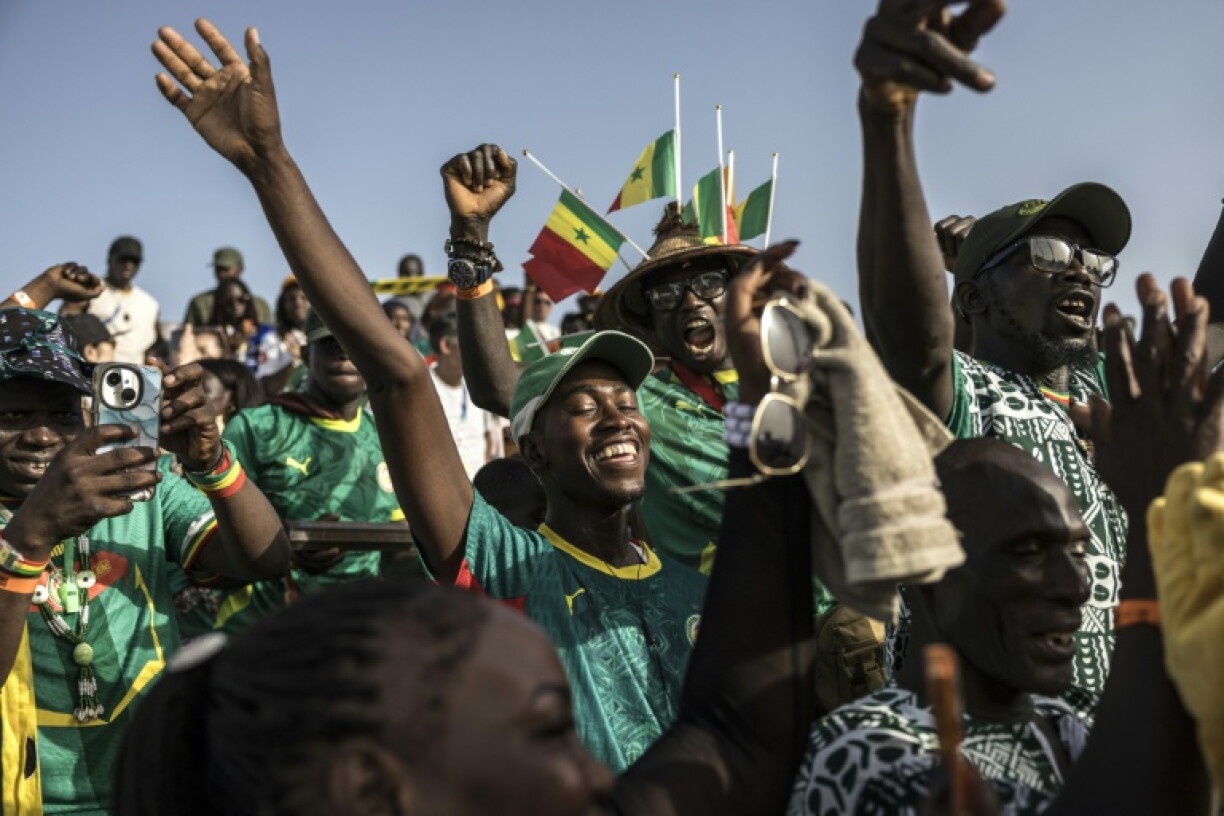
The crowd's cheers crescendoed to a deafening roar with every point scored by 16-year-old Senegalese taekwondo competitor Ameth Diop, who kicked and punched his way to a bronze medal at the Youth Games in Dakar last week.
The continent's first-ever Olympic event, the 2026 Youth Olympic Games, wrapped up Friday after igniting a palpable fervour in the Senegalese capital, a passion normally reserved only for football in the west African country.
Despite taking home 12 medals at the Youth Games and the country's major investment in Olympics infrastructure, Senegal will need to do more, experts say, if it hopes to maintain the momentum and create Olympians at the main Games.
Olympic victories are historically rare in the region: Senegal has only ever had one -- a silver at the 1988 Seoul Games in the men's 400m hurdles by Amadou Dia Ba.
The five countries with which Senegal shares a border -- Mauritania, Mali, The Gambia, Guinea-Bissau and Guinea -- have each had none.
"I'm coming out of this competition with a new spirit and a lot of knowledge", Diop, the youth taekwondo athlete, told AFP and other media Wednesday.
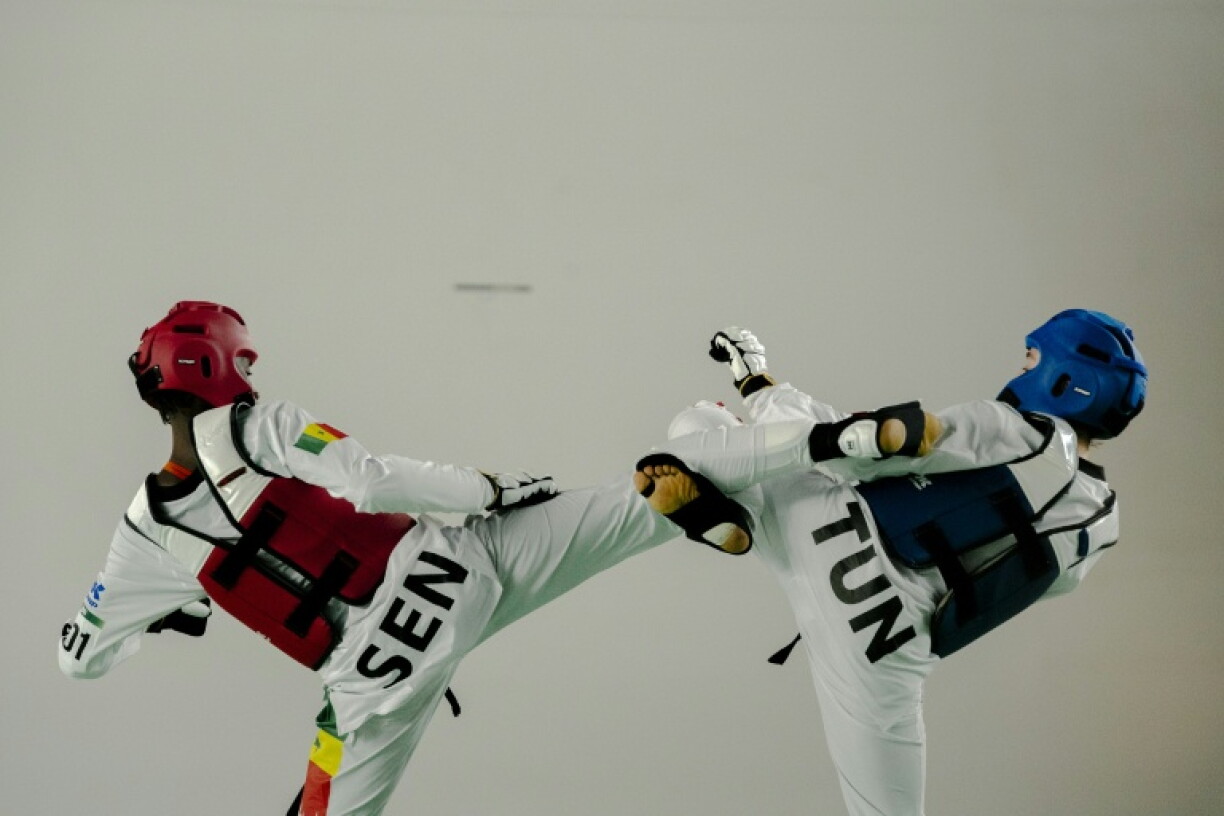
He spoke following the medal ceremony at the renovated Iba Mar Diop Sports Complex in Dakar's bustling Medina neighbourhood, where vendors hawk everything from cuts of meat to toiletries.
Propelling the next generation of Senegalese athletes onto the winner's podium, however, will require more than just knowledge and spirit, Nalla Soce Fall, expert in social psychology of sport at Senegal's Gaston Berger University, said to AFP.
"If you want to get medals on a regular basis, you have to invest a lot in training, coaches, taking care of athletes and building a lot of infrastructure for sports," Fall said.
Otherwise "you will have from time to time one medal, and you will wait for 20 or 15 years before getting someone in a final".
Two years ahead of the Youth Games, Senegal implemented a programme that included domestic training camps for its young athletes as well as several months of practice in China or other countries.
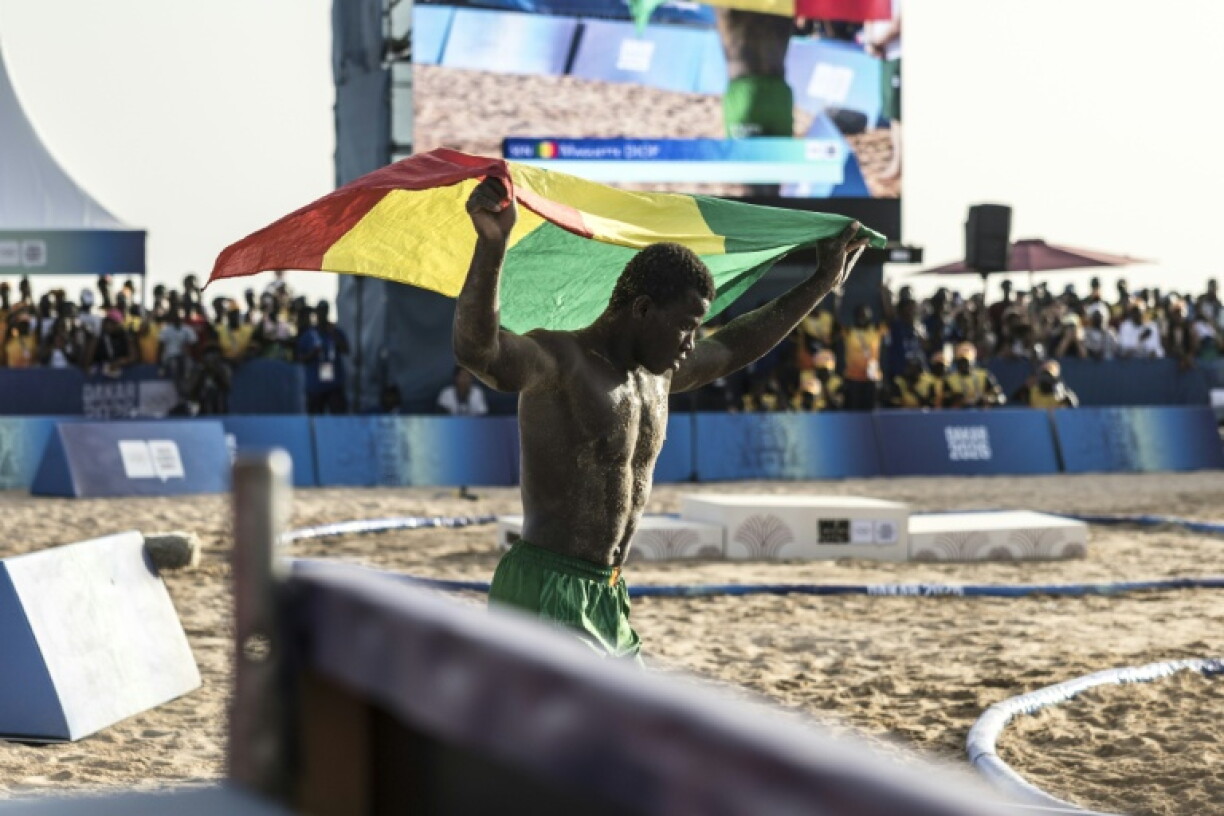
It is a factor that Fall said "of course" contributed to Senegal's massive haul of five golds and seven bronzes, its first Youth Olympics medals ever.
Senegal was additionally one of the three African countries, including Egypt and South Africa, in the top 10 overall medal count.
But, Fall warned, youth sports are deceptive because participants have trained relatively shorter periods of time.
Creating an Olympian takes eight to 10 years, he said, and those benefiting from regular access to competitions, excellent facilities and superior coaches will pull ahead.
Senegal is working with China to build a high-performance, multi-sport complex in Thies in the country's west, but the endeavour is still in the project phase, according to the sports ministry.
"Talent is always there," Samuel Owiti, an associate researcher at the University of Lausanne, whose work focuses on sports talent identification and development, told AFP, attributing low medal counts to a "lack of resources".
His native Kenya, which famously excels at middle- and long-distance running, actively boosts those sports compared with football, he said.
Conversely, Senegal's "academies (and) good talent development pathways within football" are why "they are really shining" in the sport.
Senegal won the Africa Cup of Nations in 2021 and again in 2025, only for the African confederation, CAF, to later strip it of its latest title. Senegal has appealed the decision.
In the end, Fall said, it ultimately falls to governments to decide whether to boost Olympic sports, pointing to three types of systems.
In the United States, athletes are groomed at high schools and universities. In France, they are developed via clubs. And in countries such as Russia and Cuba, the state places promising children in sports centres from an early age.
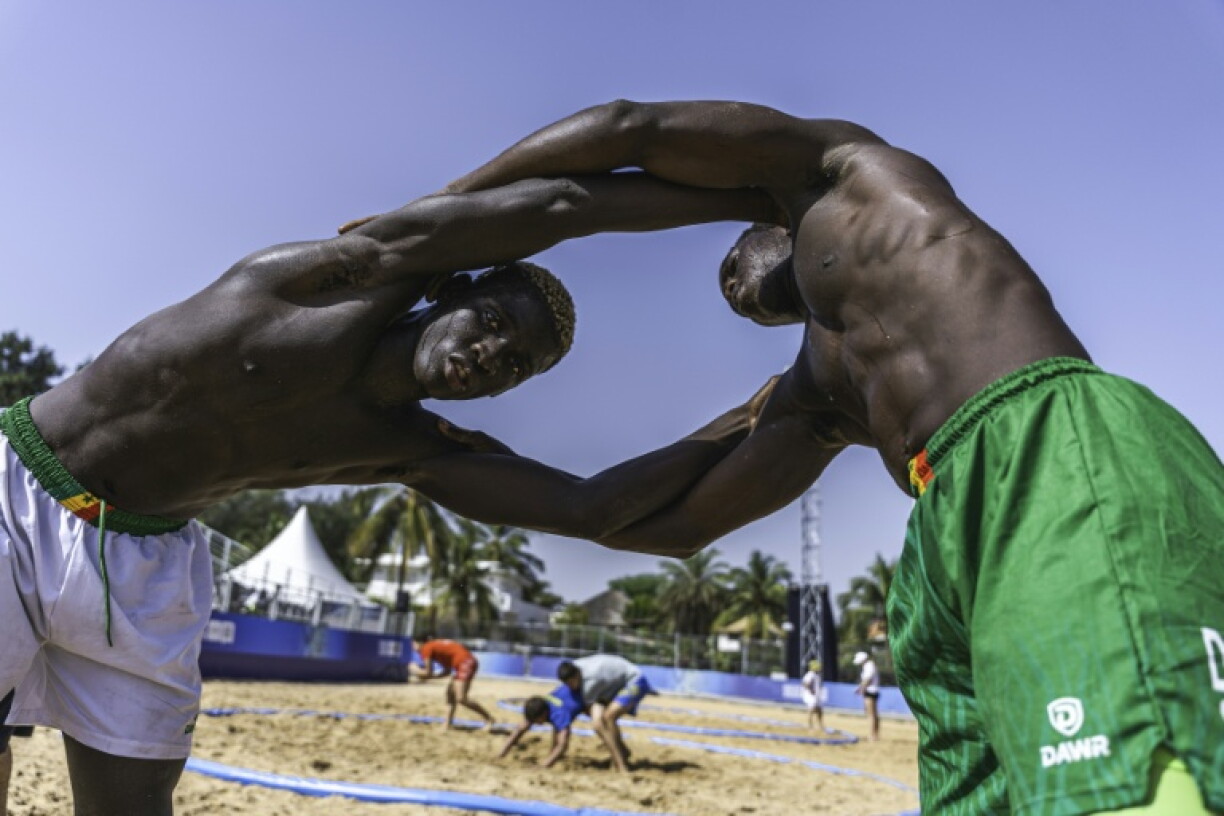
Olympic medals, Fall said, "are a kind of soft power". They also evoke a strong sense of national pride.
"We have seen nearly every African country that has competed has made a final or won a medal and that is extraordinary," International Olympic Committee (IOC) president Kirsty Coventry, a former Zimbabwean swimmer, said in a closing address Thursday.
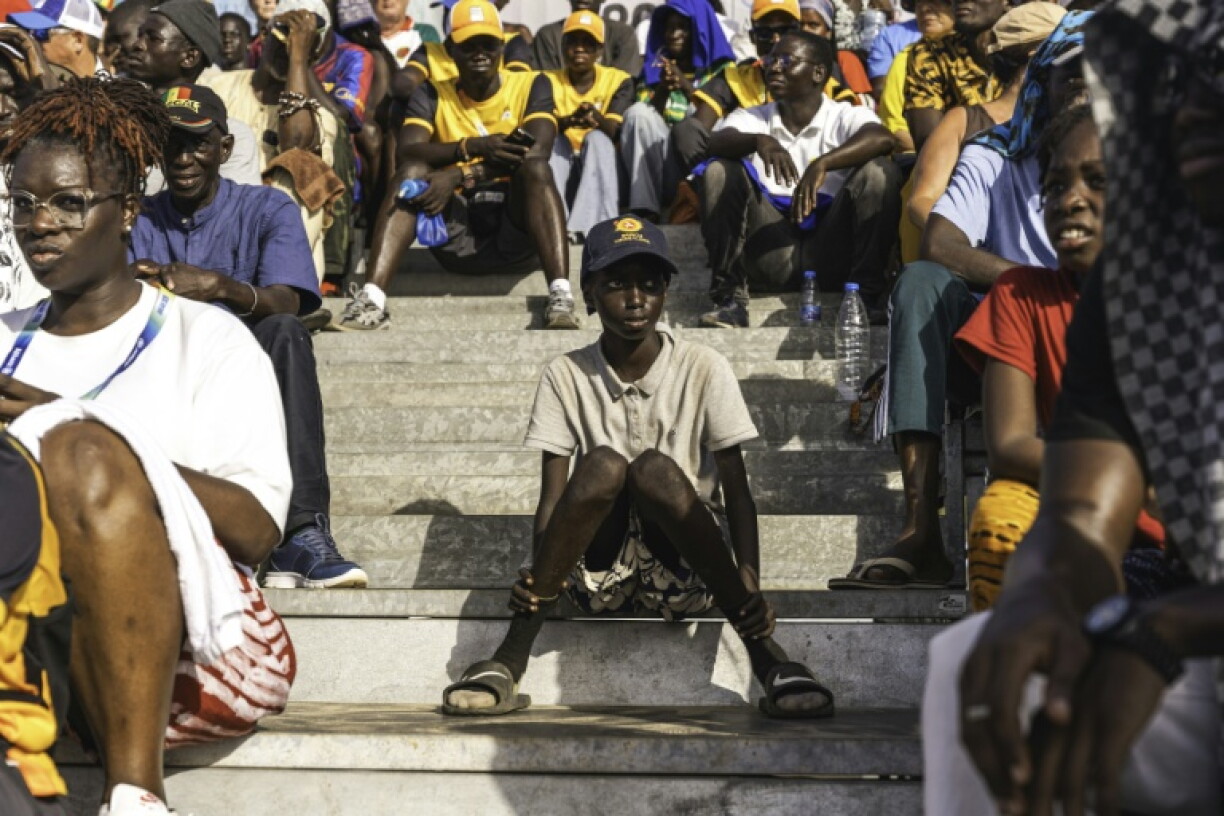
Outside the taekwondo competition in Dakar, master's student Aissatou Diaw told AFP she was "so proud" of Diop and his bronze.
"It is a very fine victory. The stadium was radiant, and the fans were happy," the 25-year-old said.
bfm/kjm


