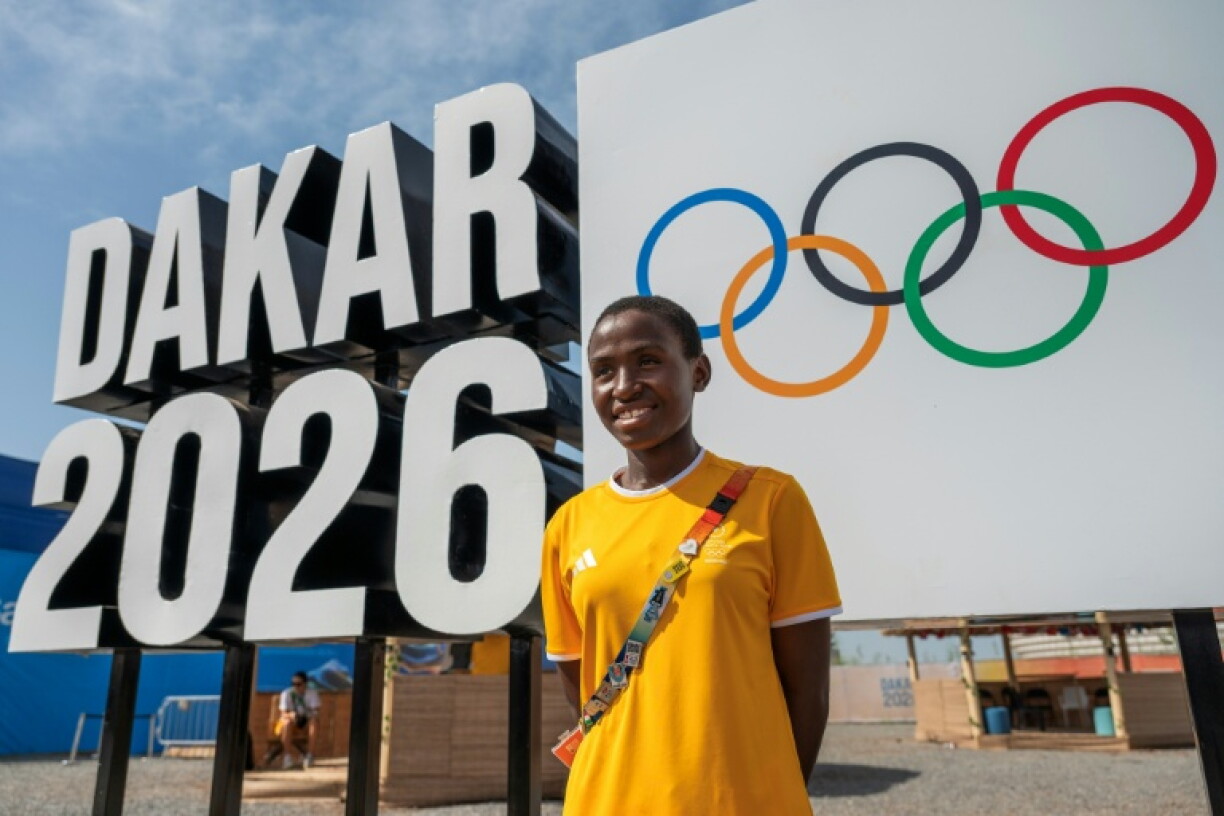
Lourence Numukiza, a 16-year-old athlete from DR Congo, has gone from being a war refugee to earning a prized berth at the Youth Olympic Games in Senegal.
After a tough childhood spent in the Kakuma refugee camp in Kenya, the teenager said her path to Dakar was simple: "I trained hard, I competed hard and I was able to win."
She has set herself two goals. Firstly, "I want to get a medal," she said. But also she wants to offer her family a better life as she limbers up to join a team comprising fellow young refugees for the first time at a Youth Games.
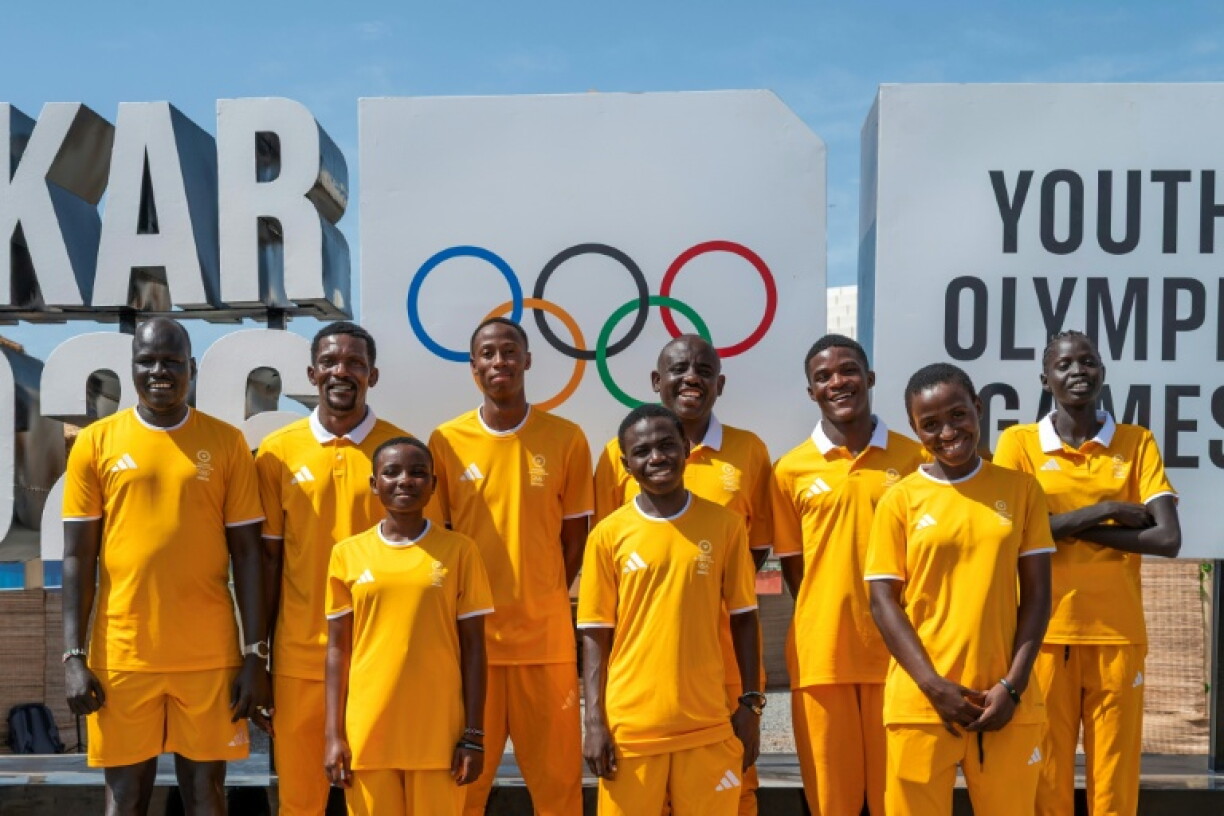
Lourence and her teammates, originally from South Sudan, the Democratic Republic of Congo and Burundi, will briefly put aside their lives as refugees in Kenya and Uganda to show their mettle in judo, athletics and taekwondo.
In her yellow tracksuit, Lourence, with cropped hair and a mischievous smile, mingles with competitors in the Olympic Village at Diamniadio outside Dakar.
She tells AFP of a gruelling road to reach where she is today. Her parents, from eastern DRC, fled conflict in Kivu. Lourence was born in a refugee camp in Tanzania, then grew up in Kakuma.
"What made me become a refugee, first is the war. From where we came from, there's a lot of war going on," she said.
Lourence was just four years old when she lost her father, leaving her mother to raise nine children alone.
Competing at the Youth Games, she says, is like a dream.
"I'm proud and happy because the Olympics is a big stage in sports," she said.
"I'm happy to be here because this sport has really, really changed my life," says the teenager, who only took up taekwondo in 2024.
She admits that "some people used to discourage me, saying that you cannot do this sport" as a girl.
"But I am grateful for the challenges. Because they are making me to learn new things in life. And they are also making me to become a strong girl who can overcome anything in life."
In the refugee camp, home to an estimated 300,000 displaced persons, "we have a lot of challenges -- we can stay for five good weeks or three weeks without water. Sometimes no food. You have to just take one meal per day, or just eat once, and you wait for the following day."
In the meantime, her mother struggles to earn enough "to make sure that you go to school, to make sure that you eat, to make sure that you've got some clothes to put on."
On top of all that, "girls are getting married at a young age, at 12 years old. You find that a girl is pregnant... and she will not be able to pursue her dreams.
"So now this is my time to give back to my mother what she has been doing all of this time since our father died. So that's why I'm working hard and trying my best.
"Sports can change someone's life because I've been seeing a lot of people moving from a refugee camp to a citizen in a particular country."
Lourence cites as inspiration Yiech Pur Biel, the team's chef de mission who competed for the first ever Olympic refugee team at the 2016 Rio Olympics and is also a UNHCR goodwill ambassador.
Having fled war in South Sudan in 2005, he arrived alone at Kakuma aged 10 but earned his Rio berth and then got an opportunity to study in the United States.
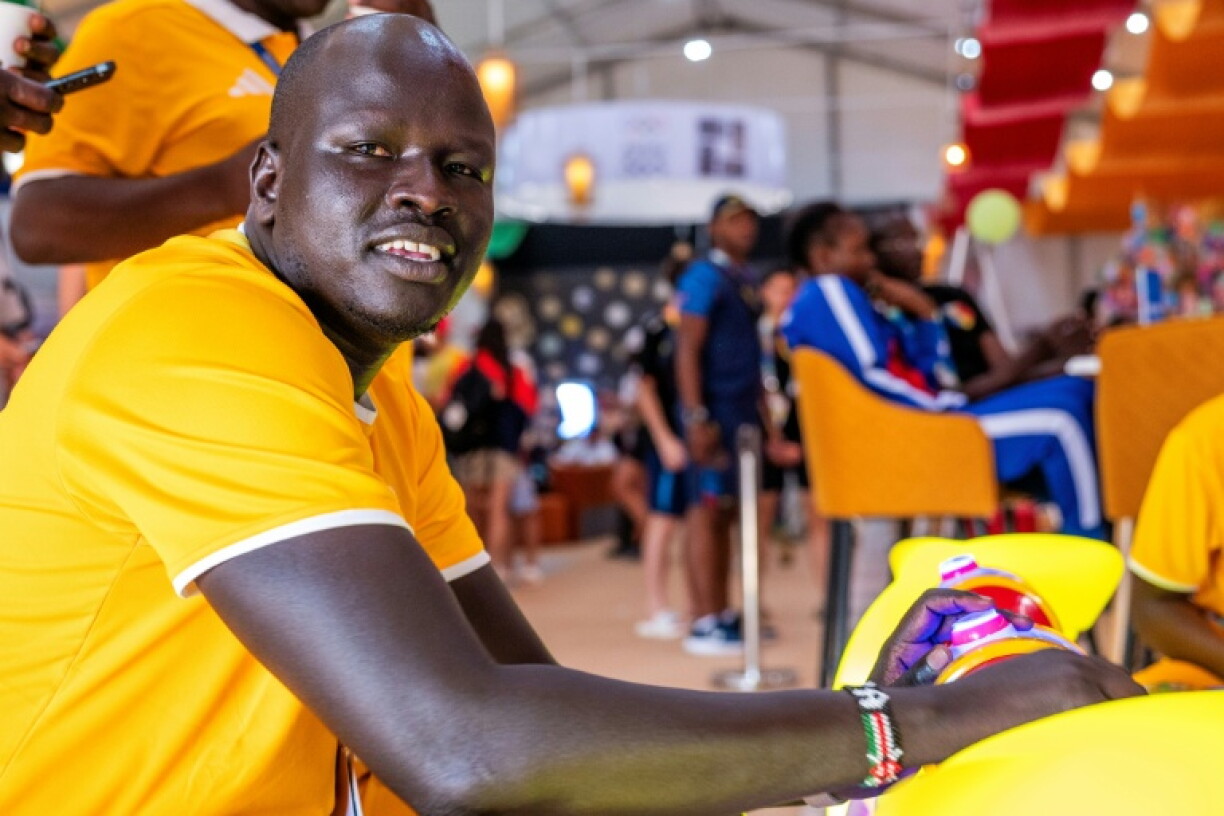
"As we know, millions of refugees are from Africa (which) creates a lot of awareness about what is happening globally and also in Africa," Biel told AFP, celebrating what he sees as a chance to pass on a "message of hope".
Athletic prowess has afforded that chance to Rashid Rochene, 16, still battling the trauma of fleeing Beni, another RDC troublespot, after armed men attacked his home, killing his grandparents and another relative.
The rest of the family fled across the border to spend two years in a Ugandan refugee camp.
On Tuesday he will run in the men's 200 metres semi-finals against rivals aged 14 to 17.
"Me being here, it doesn't mean that I'm better than those who are home," says Rashid, vowing to "represent the refugees with pride because this is what God has given me, the talent."
lp/els/cw/gj


