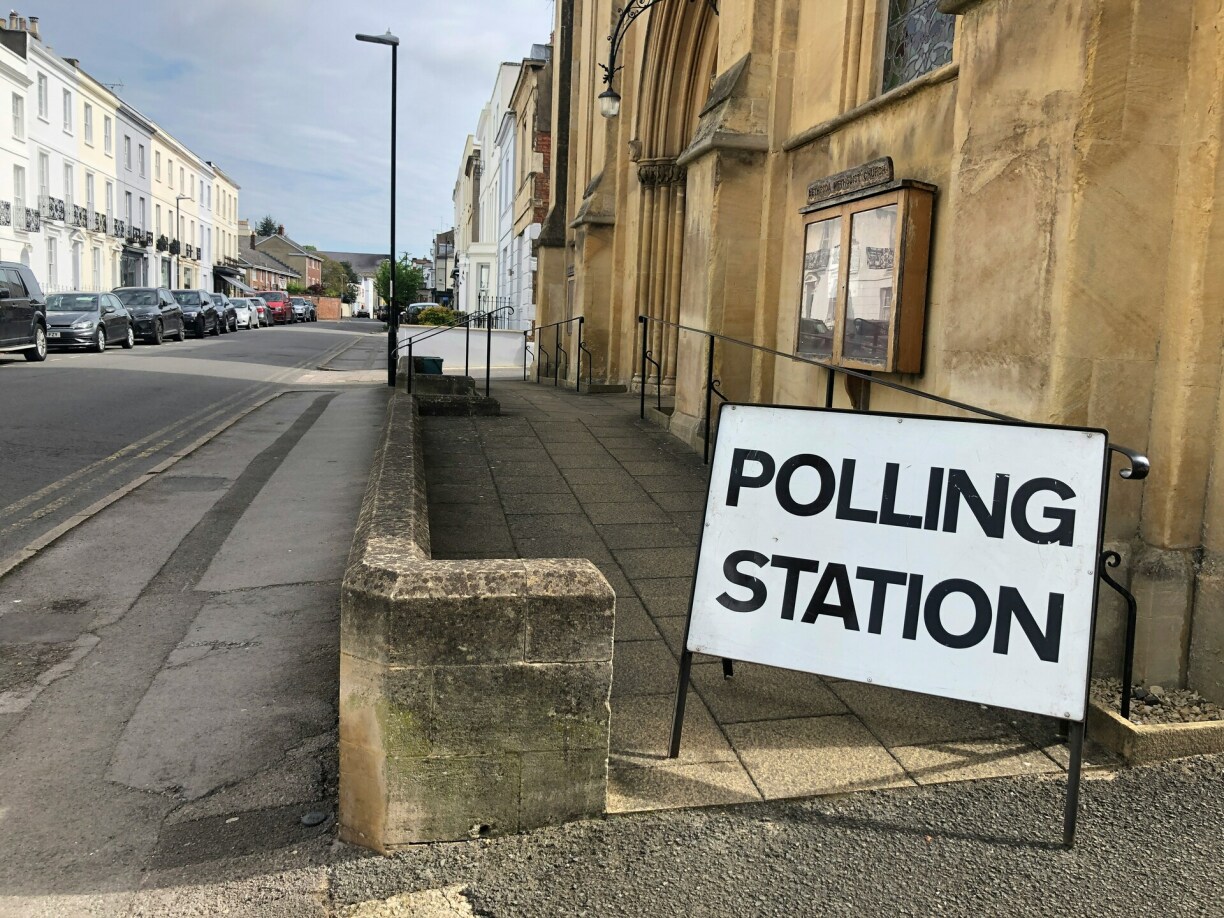
This 15-year rule was abolished Tuesday, at the excitement of many UK citizens who are now able to participate in the 2024 general elections.
The UK now maintains the right to vote for life, joining other democracies such as USA, Italy, France and Canada, with 3.4 million Britons are regaining their opportunity to vote in UK general elections.
This change was initially introduced by Harry Shindler, the Second World War veteran who lost his vote in the UK since 1997 after living in Italy. He challenged the 15-year restriction for over 20 years and was consistently met with broken promises from the Conservative party, having even received a letter from Boris Johnson in 2021 confirming his commitment to the bill.
But now that Shindler's battle is over, more than 3 million retired or working-abroad Britons (many of which spent their lives working in the UK and are still paying taxes) are eligible to vote.
The argument against granting this right was that it would be unfair for UK citizens who lived abroad many years to vote in British general elections and influence government policy that don’t necessarily directly affect them – especially when many foreign nationals who live and pay tax in the UK aren’t able to participate.
But realistically, the British citizens who spent more than 15 years abroad were being deprived of their vote on topics that did play a role in their daily lives spanning from health and social care for elderly kin, housing and cost of living and educational policy. Most recently, they weren’t included in the choice to change the minimum income requirements for a partner visa from £18,600 to £38,700, which will make it harder for some to move back to the UK.
It's also important to note, that in 2016 more than 60% of the UK citizens living in the EU had no right to vote in the referendum that led to Brexit and removed their EU citizenship rights.
In celebration of this change, Jane Golding Co-chair of campaign group, British in Europe states, "Voting is a basic citizenship right regardless of where someone lives. This is a historic change to the UK franchise after years of campaigning by ourselves and others, particularly long-term campaigner Harry Shindler, who sadly died before he could use his hard-won vote."
British in Europe is the largest coalition group of British citizens living and working in Europe who helped campaign for the end of the 15-year rule.
Organisations such as British in Europe are now collaborating with the Electoral Commission to help Britons register in the constituency where they were last registered or lived in order to encourage registration.
For more information on how you can register from abroad, visit https://www.gov.uk/voting-when-abroad.
The government estimates Tuesday's change could enfranchise around 3.5 million people -- nearly treble the 1.3 million votes that was the winning margin in the 2016 referendum on European Union membership.
It is also greater than the difference in the vote totals for Britain's two main parties -- the Conservatives and Labour -- in five of the last six general elections.
But UK elections ignore the parties' overall vote counts, instead electing lawmakers under the first-past-the-post system in 650 individual constituencies.
It remains unclear how many of the newly eligible 3.5 million UK citizens living overseas will successfully register to vote.
They will need to provide details of the address and time they were last registered to vote or living in Britain.
Local authorities, which are responsible for the electoral roll in their areas, must be able to verify an applicant's identity and past connection to the area, according to the Electoral Commission.
Unlike some countries, there is no provision for in-person voting overseas and all ballots have to be cast by post or by using a proxy in the UK.
The Electoral Commission is launching a publicity campaign and working with partner organisations to raise awareness of the rule change.
"We know there are eligible voters in every corner of the world so we're calling on those with friends and family abroad to help spread the news," communications director Craig Westwood said.
Research by Britain's Office for National Statistics suggests the largest numbers of British emigrants are in Australia, New Zealand, the United States, Canada and European Union member countries.
The election law change follows campaigning by various advocates, including the long-running "Votes for Life" campaign led by an overseas arm of the Conservatives.
Heather Harper, chair of the Conservatives Abroad group, said it put Britain on a par with the United States, France, Italy and New Zealand "in recognising the importance of their citizens worldwide".
Prime Minister Rishi Sunak must call an election by January 2025 at the latest, and said earlier this month that his "working assumption" was to have the contest in the second half of this year.





