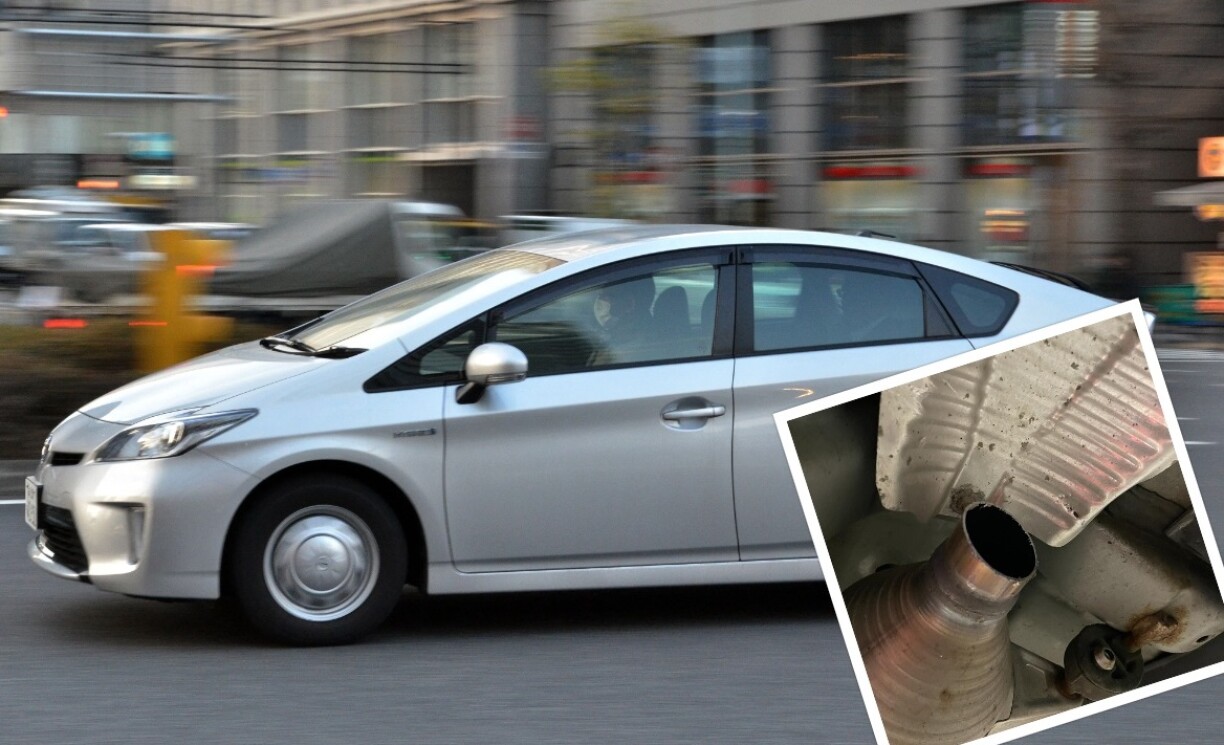
It only takes an experienced thief a couple of minutes to remove a vehicle's catalytic converter, which means it can even happen in broad daylight and under the not-so-watchful eye of bystanders.
The thefts are in fact motivated by the rare metals inside the catalytic converters. Rhodium, for instance, is used to limit gas emissions, and has significantly gained in value in recent times.
Although generally satisfied with his 2008 Toyota Prius 2, Thierry says that it has become a massive problem that thieves consider it the best car for a quick and easy removal of the catalytic converter.


The first time Thierry fell victim to this targeted practice was in August 2021: "I came back from holidays and had left my car stationed on the road. I did not notice anything until I started driving. The car sounded like a plane."
Not knowing the source of the issue, Thierry drove to a repair shop, where mechanics quickly identified the problem and even admired the precision of the thief.
"Back then, I had no idea why anyone would steal a part from a car that is not even worth €4,000." Thierry was sent to a Toyota dealership, which billed him €3,169 to replace the catalytic converter.
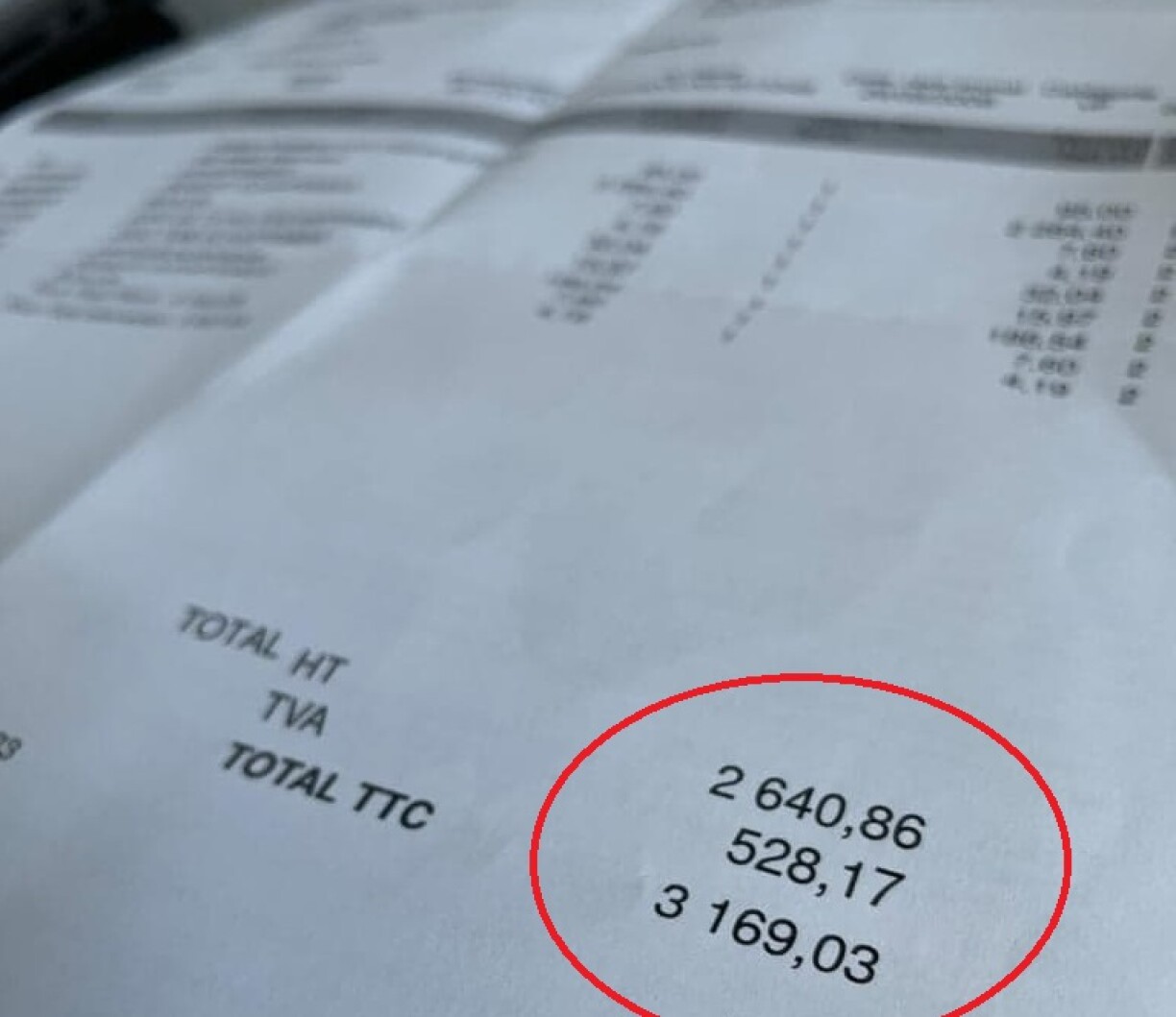
Thierry's police complaint remained fruitless, and even his insurance only covered parts of the theft, leaving him with €1,300 to pay.
The second theft occurred in April this year. This time, Thierry's car was stationed in a car park in a commercial zone where he was meeting a friend for lunch.
The thieves thus removed the catalytic converter in broad daylight: "When I got back to my car and started driving, I quickly realised that there was once again a noise."
After the second theft, Thierry's insurance company was reluctant to cover the damages. A spokesperson informed him that even the first reimbursement was "a mistake", as he is not covered for this type of theft.
Thierry contested the decision and in the end managed to be almost fully reimbursed, only having to pay €300 himself.
Nevertheless, at that point he began taking precautionary steps to prevent further thefts. For instance, Thierry ordered a special protective cover to put over the catalytic converter, the installation of which cost another €250.
Unfortunately, a few days ago Thierry fell victim to a third converter theft: "I was contacted by a neighbour who saw a group of three individuals around my car." Although he immediately went home, it was already too late. Once again, his hybrid car made extreme noises while driving.
Unsurprisingly, Thierry's insurance was not pleased to hear about the renewed theft and put up a fight again. However, Thierry prevailed and after several days of negotiations, he was guaranteed a third reimbursement.
In the meantime, the repeat victim has decided to change both his insurance and his car for good.
Thierry is not the only person to have fallen victim to this type of targeted theft, the frequency of which has risen all over Europe over the past couple of months. For instance, in March this year, French authorities dismantled an organised converter trafficking ring, which was about to smuggle more than 300 devices from France to Poland.
The following enquiry showed that the group actually managed to transport an average of 700 to 800 catalytic converters to Poland every 15 days.





