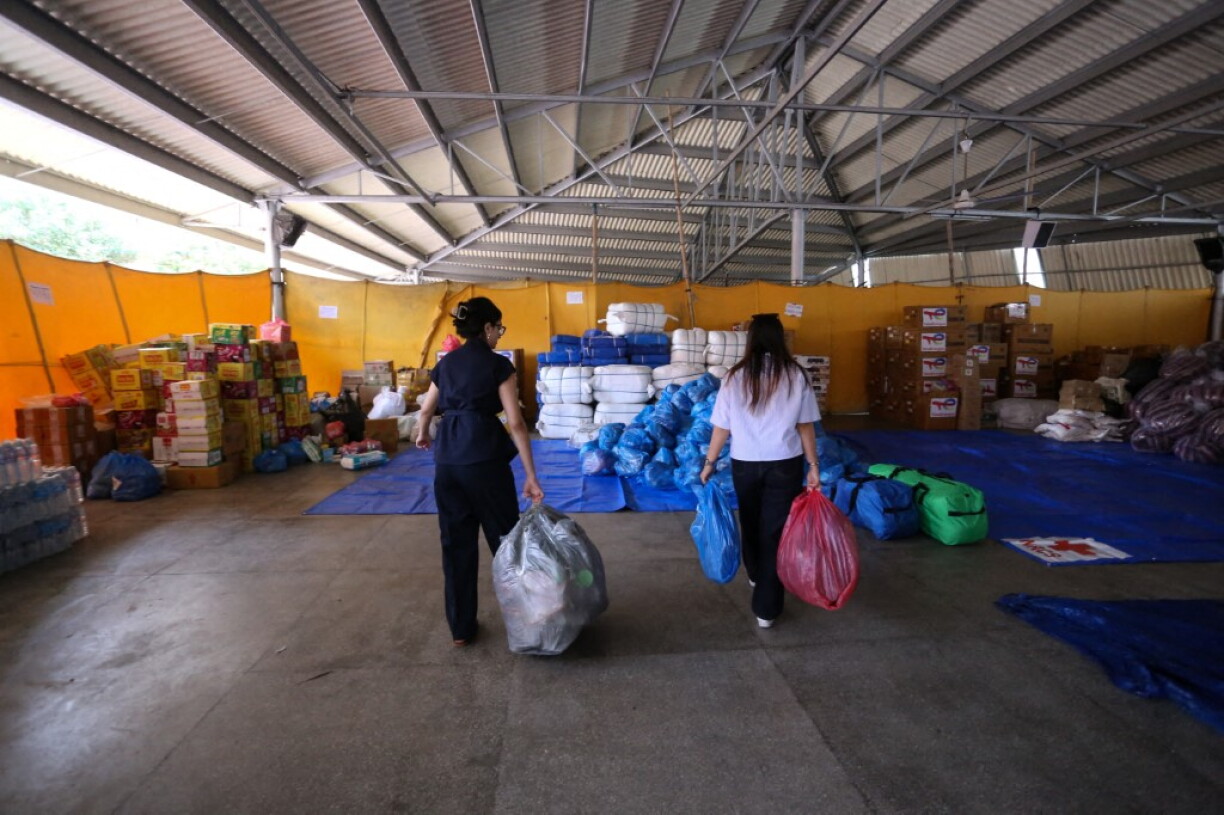
Last Wednesday, a glacier collapse in the Himalayas triggered flash floods in Nepal, causing thousands of households to lose everything. The health system in the country is buckling as a result, leading to numerous humanitarian organisations travelling to Nepal to help. Among them is Luxembourger Charel Becker, who departed the Grand Duchy last week for Kathmandu.
For the last five years, Becker has worked for the German charity "Welthungerhilfe". He and his team travelled to Kathmandu on Saturday to organise assistance and to coordinate operations alongside local emergency teams.
Becker explained how they were assessing the situation:
"They pass on information they can find on the ground to us, so that we can decide and organise here in Kathmandu where our aid should ultimately go. For me, that means planning, setting up a strategy, setting budgets, mobilising partners."
The government and humanitarian organisations collaborate through so-called clusters, or groups, to dispense relief and to reach as many people as possible.
"The packages we put together for Welthungerhilfe primarily consist of food and supplies. Secondly, we also work very hard to create wash kits, anything that concerns water and sanitation. Then we also cover shelter, so anything that comes under temporary accommodation."
Due to plummeting temperatures in Nepal's mountainous region at this time of year, people in temporary accommodation must also be protected against the cold. The crisis region is around 20 kilometres away from the capital city of Kathmandu. Although the natural disaster did not directly hit the city, the human consequences are clearly visible there.
Becker said: "From what I have seen from our local colleagues and from people I have met here, it's clear the mood is very low. Many people have friends or relatives who have been affected by the disaster. People have also fled the region for Kathmandu, as they have more options to find shelter here with people they know."
Because the affected region is heavily dependent on tourism and agriculture, it will need development support over the coming months, not just acute relief, says Becker.
"It's not just about rebuilding houses, but for charities like Welthungerhilfe, we need to look at bringing the agricultural sector back to life, whether that's spreading seeds, organising financial aid for the locals, so they can bring back livestock and earn a living once more."
Welthungerhilfe has set a target of providing 400 people with relief goods over the next three months.





