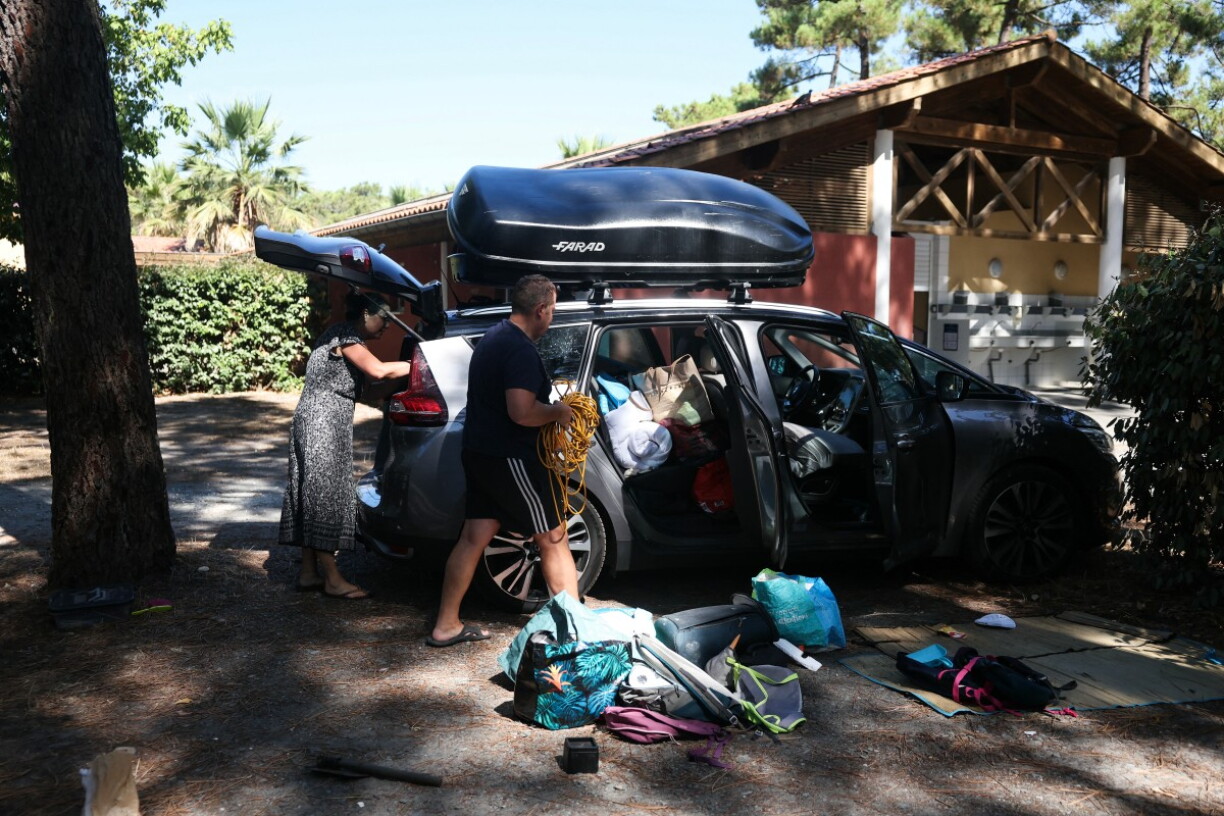
Since Friday, Julie Dolar has kept her bags packed, ready to leave at a moment’s notice. Although she studies mathematics in Bordeaux, this is her second summer working as an activity leader at a campsite in Lacanau, in the Gironde region of south-western France. Wildfires now dominate daily life in the area. On Tuesday, according to French media, around 4,000 tourists were evacuated from Lacanau as a precaution. Julie experienced the evacuation up close, but like the other campsite staff, she remains on site. Unlike tourists, staff are counted as residents and have not yet been included in the evacuation measures.
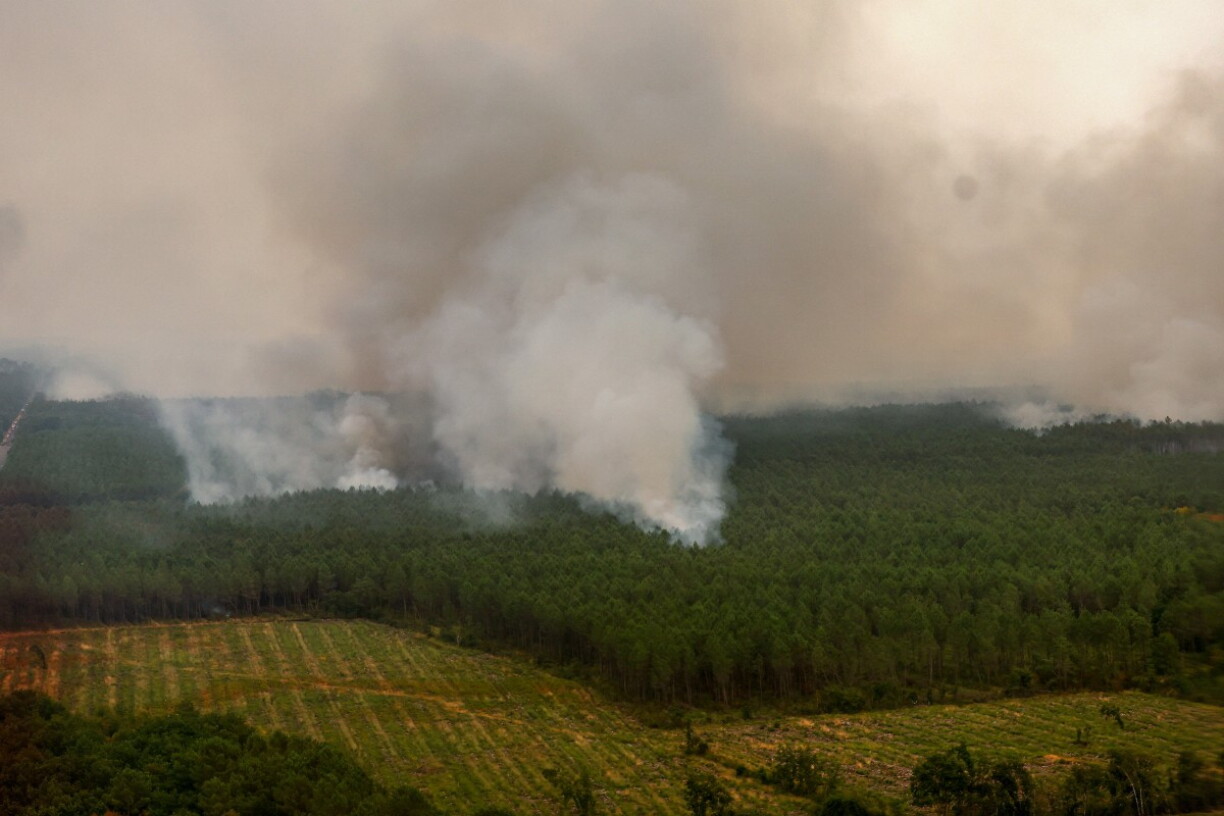
Wildfires have been raging in the Gironde since 22 July, devastating around 42,000 hectares of forest and forcing 220,000 people to leave their homes to date. The blazes are now uncomfortably close to Bordeaux itself. Although officials described the situation as "more or less stable" on Tuesday morning, a new heatwave is on the horizon, with temperatures forecast to reach 33 to 35°C, conditions that could quickly worsen the fires.
Julie recalls the moment the danger became real: "Friday was surreal. Clouds and smoke rolled in, turning the sky red. I woke from a nap to find everything had changed; I’d fallen asleep under blue skies and woke up to an orange world. It was impossible to make sense of it. We were told to stay calm, so I tried to rationalise things, but now I’m starting to feel pretty nervous."
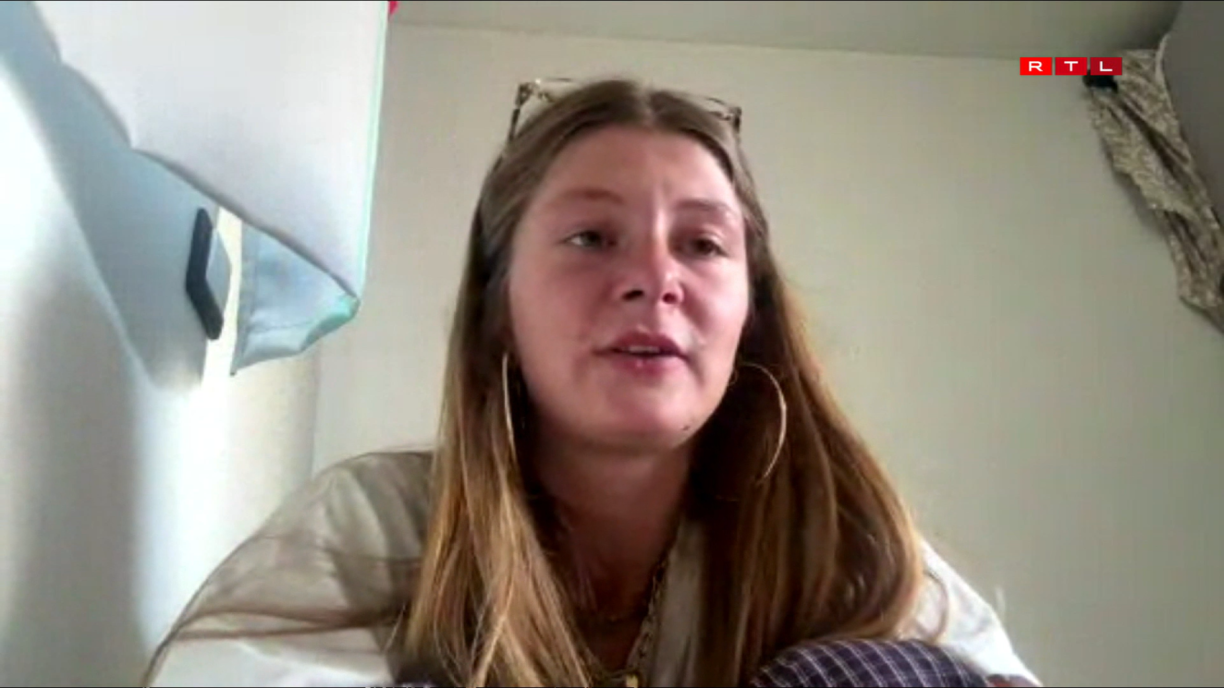
On Tuesday, Julie received an emergency alert on her phone, but in recent days she and her colleagues have mainly relied on their own efforts to keep informed. "Honestly, my first reaction was panic. When I saw what was happening on Friday, I packed my suitcase straight away. I know we’re not in immediate danger – they have everything under control and they’ll let us know in time if we need to leave – but it’s still unsettling to watch the tourists go while we’re told to stay behind."
Even before the latest evacuation, the campsite had been steadily emptying out. Numbers dropped from about 2,300 people to just 1,000 on Sunday, and by Monday only 600 remained. "I hope we’re next, because I can’t sleep with all this uncertainty." The prospect of being unable to leave quickly makes Julie uneasy, especially since she does not have a car at the campsite. Many roads are already closed, and those who want to reach the site must now take a long detour through the north.
Among the roughly 100 seasonal workers still on site, there is a strong sense of solidarity – although some are taking advantage of the lack of tourists to party, which adds to Julie’s stress. "There are big parties here now, which makes me a little anxious. I don’t like relying on other people, but at the moment, I have no choice, because I don’t have my own transport."


The past few days have also been challenging for Julie in her role as an activity leader, as she has tried hard not to show the children any signs of her own anxiety. "One girl started crying and I asked what was wrong. She told me she’d already lived through a fire a few years ago, and now she’s reliving that trauma. It broke my heart. Part of me wanted to cry with her, but with twenty other children in the group, I just couldn’t let myself break down."
Julie expects that the staff will not be able to remain much longer. "I think we’ll be evacuated soon. If management is telling us to pack everything up, I don’t see why we wouldn’t have to leave. I don’t think the site itself will burn – the sea is nearby and the fire isn’t heading our way, it’s actually moving towards Bordeaux. But with the heatwave and the wind forecast to shift towards us, I think the authorities are just being cautious. I wouldn’t be surprised if we’re told to leave within the next couple of hours."
She hopes that the safety measures will only be necessary until the heatwave passes, and that she and her colleagues will be able to return to normal soon. For now, however, their future remains uncertain.