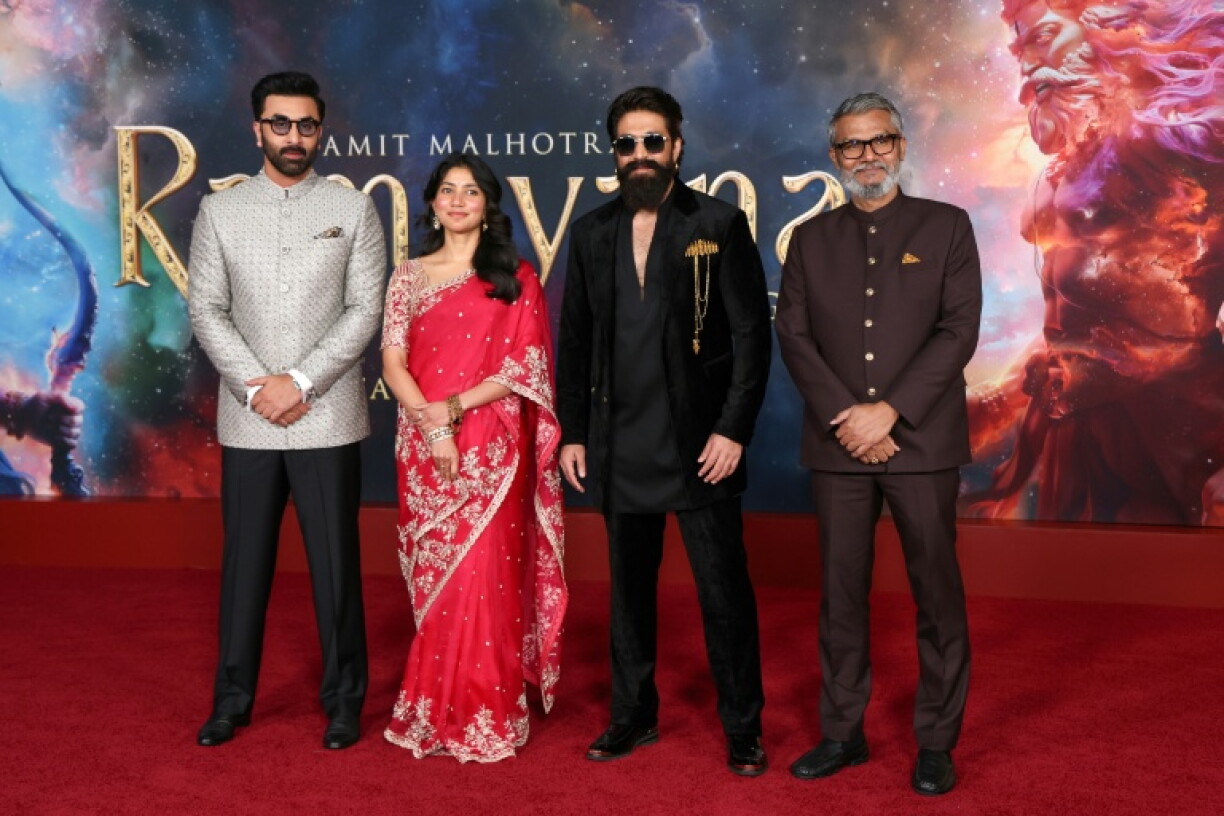
The makers of an Indian blockbuster based on the ancient Hindu epic Ramayana have hailed the new film as an unprecedented fusion of homegrown and Hollywood talent, calling it India's first truly global release.
"Ramayana: Rise of a Legend" -- in cinemas worldwide from Thursday -- has been more than a decade in the making, with a reported mega $420 million combined budget.
It draws on the talents of Oscar winners in visual effects and music, buoyed by a stellar cast featuring some of Indian cinema's biggest names.
"People from all over the world came in to work on this project," Bollywood superstar Ranbir Kapoor told AFP in London before its release.
"So we really had the platform to really express (ourselves) in the best way possible."
The film, inspired by the millennia-old Sanskrit epic that serves as a foundational text for Hindus, chronicles the virtuous Rama's (Kapoor) battle to save his kidnapped wife Sita from the evil demon king Ravana, played by fan-favourite Yash, who goes by one name.
This latest screen adaptation featuring flying elephants and gargantuan-sized demons is bursting with computer-generated visual effects, known in the industry as VFX.
The brainchild of producer Namit Malhotra, his UK-headquartered visual effects arm DNEG has won eight Academy Awards for work on films including "Inception" and "Dune".
The movie, which has Hindi and English versions, has been scored by Oscar-winning composers Hans Zimmer and A.R. Rahman, while its action directors and production designers boast numerous Hollywood credits.
Planned as a two-part spectacle, the creators believe it heralds a breakout moment globally for India's film industry, which has yet to win an Oscar in the coveted film categories.
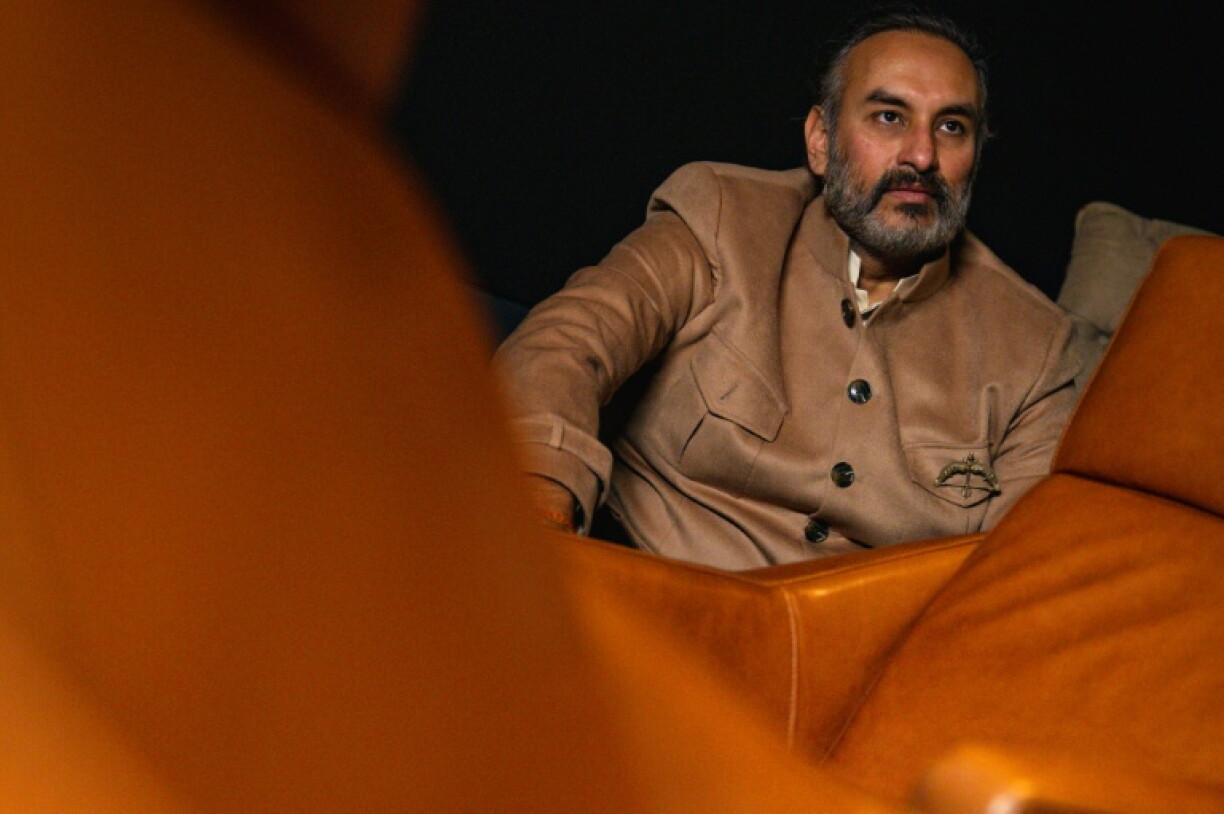
"It's the largest production in the history of Indian cinema," said Malhotra, who has branded it India's "Star Wars" or "Lord of the Rings".
"The story and the scale and the spectacle is something that the world, I think, is ready to consume."
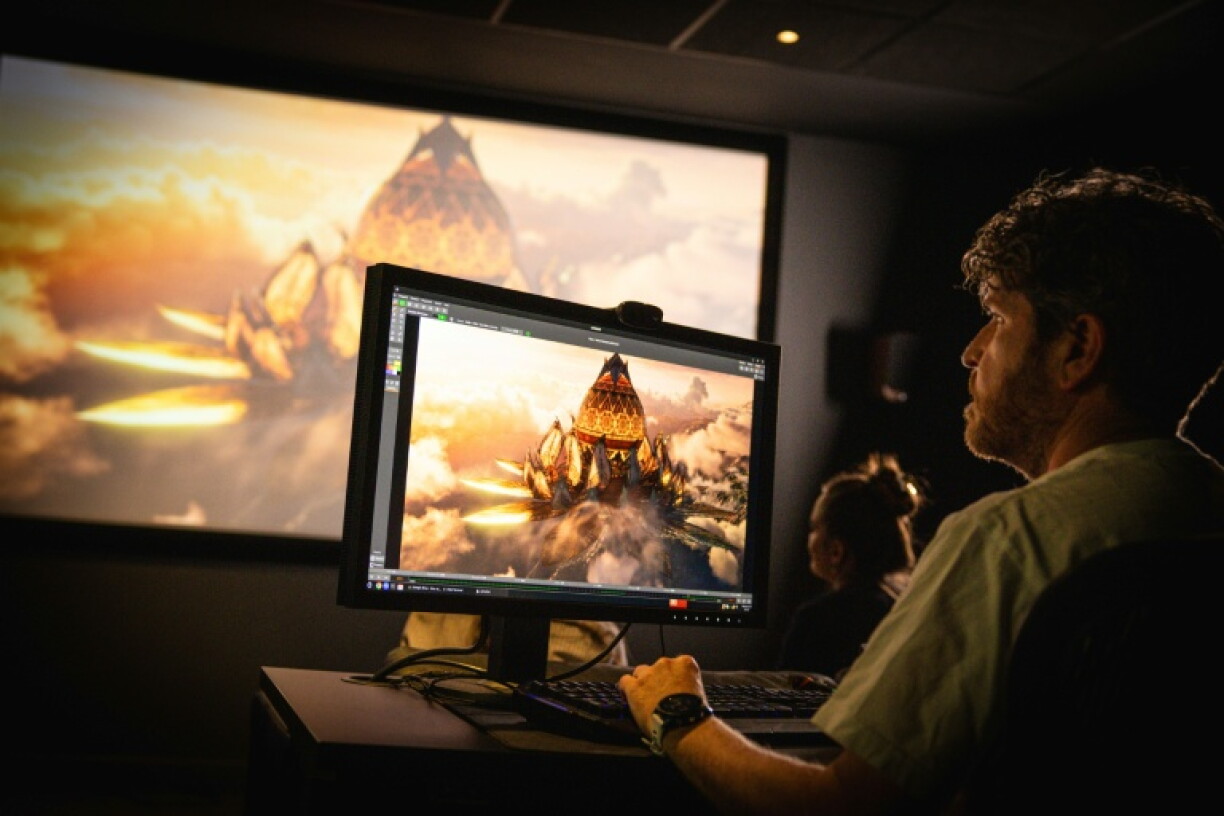
Long dominated by mass-market Hindi-language Bollywood, Indian cinema churns out around 2,000 films each year and has been expanding its global appeal.
That has been fuelled in part by the country's strong diaspora networks and increasing access to Bollywood offerings on streaming platforms such as Netflix and Amazon Prime Video.
With its English version, Hollywood special effects and epic battle scenes, "Ramayana" appears aimed at international audiences as much as the movie-mad country of 1.4 billion people.
Made by Malhotra's Mumbai-based Prime Focus Studios and actor Yash's Monster Mind Creations, with Sony Pictures the international distributor, it eschews some hallmarks of traditional Bollywood, in particular its elaborate song-and-dance routines.
But many of Bollywood's core ingredients -- melodrama, romance and action alongside awe-inspiring landscapes and a long running time of nearly three hours for the English version -- are present.
"It's a very original telling of a very original story from India, and it makes no compromises in that regard. It keeps it authentically Indian," Malhotra said.
Yash, a hugely popular figure in India's Kannada-language cinema who co-produced and co-stars in "Ramayana", told AFP that "East and West have come together in a true sense".
The release and its global nature were "a very important moment" for Indian cinema, he added.
In the film, Sita, played by South Indian star Sai Pallavi, is a fearless, fighting character.
She and other cast members highlighted the responsibility they felt in their roles, since many Indians have "a very personal connection with these characters".
"It was quite challenging because you have to silence every part of you that wants to overperform and ... let the character speak for itself," Pallavi told AFP.
The filmmakers constructed a massive set in Mumbai for the central story settings, while VFX teams worked there and in London and Vancouver.
Although the movie was shot entirely in Hindi, the creators wrote an English-language screenplay for the global release.
English dialogue was added to a separate master version using both the cast and voice artists and traditional lip syncing techniques.
For director Nitesh Tiwari, evoking the ancient poem's messaging was paramount.
"There's a certain sense of timelessness to the emotions and the values which Ramayana stands for and that is exactly what we wanted to bring to the rest of the world," he said.
jj/jkb/phz/tc


