Mexican authorities announced the deployment of nearly 20,000 security forces in the Pacific coast states, as Hurricane Polo brought rains and heavy swells on Friday.
Polo regained maximum Category 5 strength on the Saffir-Simpson scale, after being lowered to Category 4, the US National Hurricane Center (NHC) said.
"Weakening should begin by Saturday," it added.
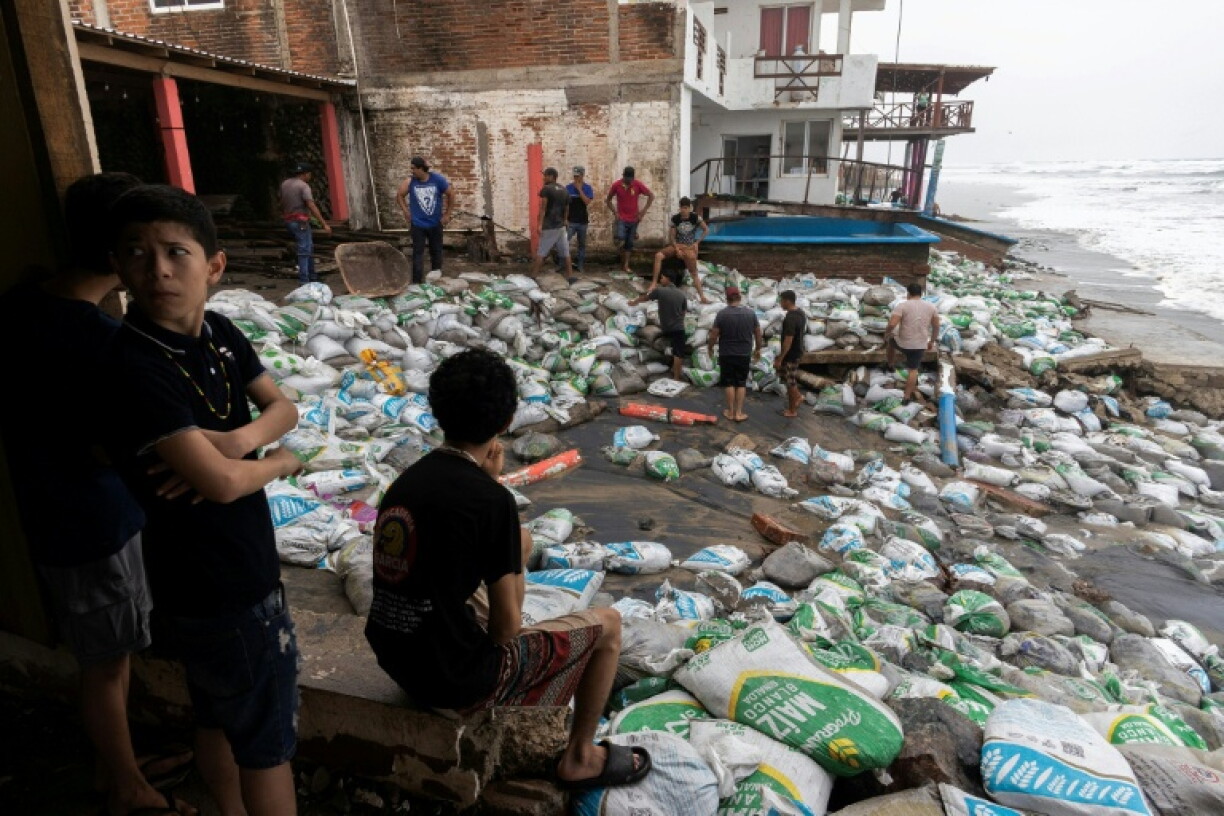
Residents of Lazaro Cardenas, in Mexico's Michoacan state, hurriedly stacked sandbags along the shoreline to protect seaside homes and businesses threatened by Polo, which is not expected to make landfall.
Strong swells and pounding rain had overwhelmed their defenses, however, and cracks ran through some building facades.
"Our buildings have been falling apart," seaside hotel owner Concepcion Lopez told AFP.
In another coastal hotel, the crashing waves destroyed one of two swimming pools.
More flooding "is wrecking the other one; it's also reaching my kitchen," said owner Gudelia Ochoa. "We're holding on to hope that it won't hurt us too much."
Mexico's government said it would deploy 19,800 security and emergency personnel in states including Colima, Guerrero, Jalisco, Nayarit and Michoacan.
Torrential rain and winds of between 70 and 90 kilometers per hour are forecast along parts of Mexico's Pacific Coast, as well as waves of at least six to eight meters in height.
"The population located in alert zones and in areas at risk of flooding, landslides, or rising rivers is urged to take extreme precautions," a civil protection press release stated.
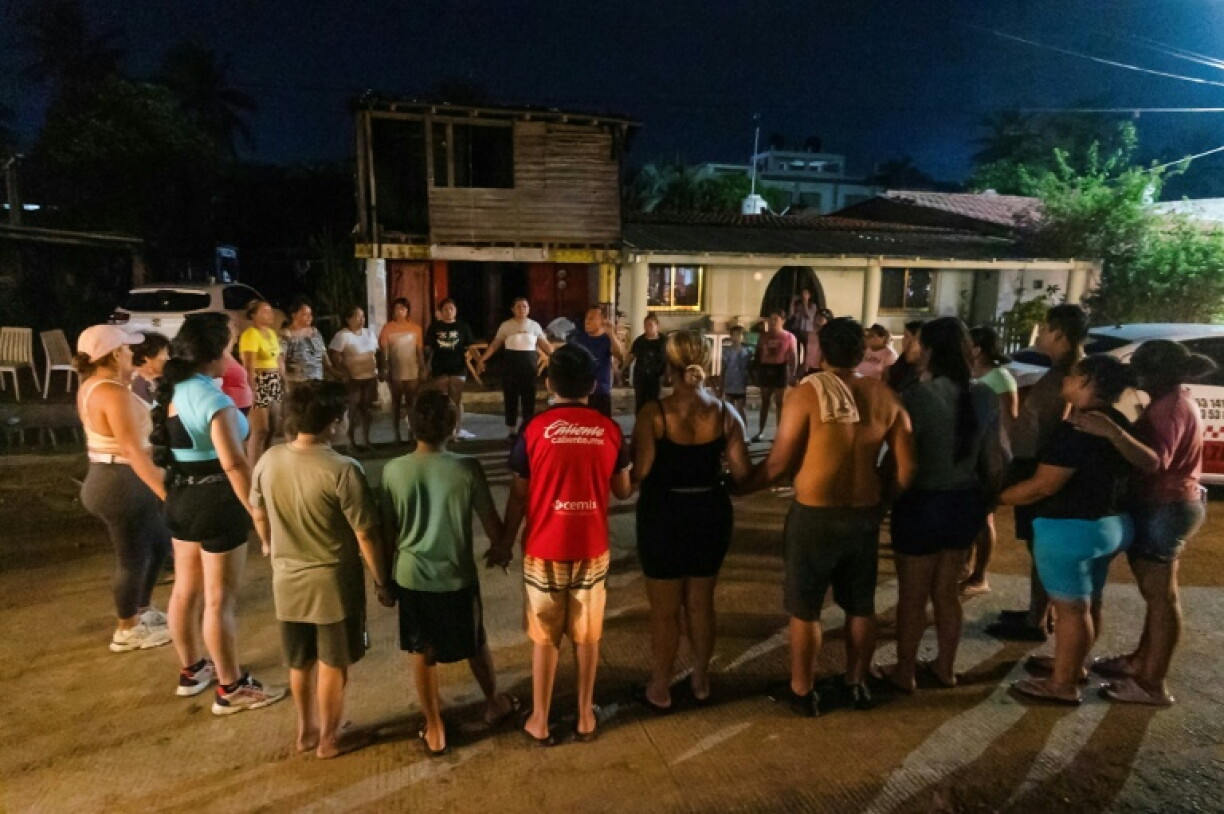
Mexico gets hit by hurricanes every year, both on the Pacific coast and the Atlantic coast, usually between May and November.
The El Nino weather pattern has intensified this year's storm season.
The cyclical climate phenomenon raises surface temperatures in the central and eastern equatorial Pacific Ocean and causes global changes in winds and rainfall as well as erratic weather conditions.
str-ai-jt/vel/cc/mjf/lkd/md





