Finding affordable housing has become the biggest worry for millions across Europe, as prices soar while supply falls short of demand.
Governments are wrestling with how to respond to the growing anger, with three days of coordinated protests planned in several European countries starting Friday.
Home prices have surged by almost 70 percent in the EU since 2015, and rents have climbed by 25 percent -- far outstripping income growth, according to the bloc's statistics office Eurostat.
Costs have risen the most in Portugal, followed by the Netherlands.
Here is a look at the measures being taken in attempts to ease the burden.

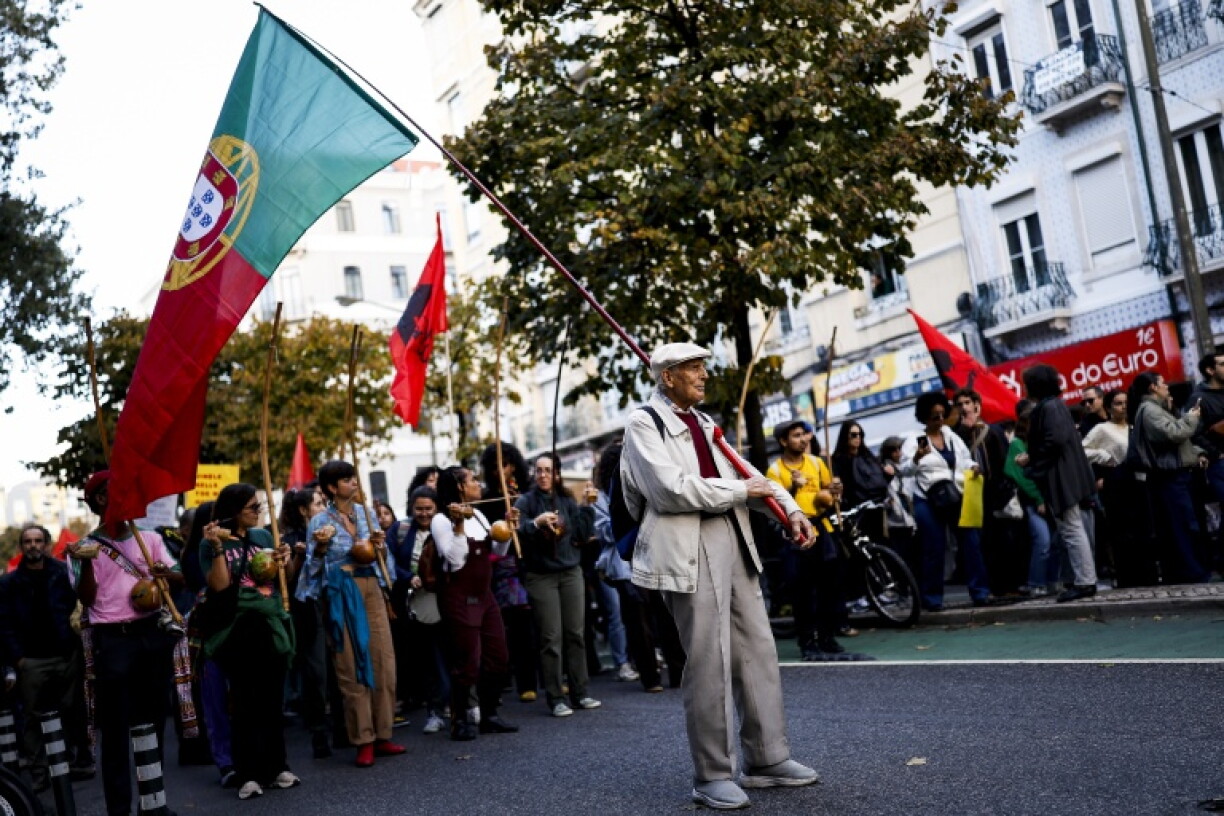
The eviction of 87-year-old Maricarmen Abascal from her lifelong home in September sparked a national uproar that led parliament parliament to pass new laws restricting evictions and real estate speculation.
But lawmakers rejected the automatic renewal of tenant contracts, a main demand of protesters, and the right-wing opposition, leading in opinion polls, has vowed to repeal the measures if elected.
The left-wing government had already passed a law in 2023 calling for more social housing and rent controls in regions where the housing crisis was most acute.
But the measures have been applied only sporadically so far.
Barcelona, one of the most visited cities in Europe, has pledged to get more apartments on the market by not renewing the roughly 10,000 permits for tourist rentals on Airbnb and other sites.

The centre-right government of Prime Minister Luis Montenegro has focused on fiscal measures to encourage owners to put their homes or apartments on the rental market.
He has also raised taxes on real estate purchases from non-residents.
But in September lawmakers approved a rental market overhaul that simplifies and accelerates expulsions in case of unpaid rent, sparking a wave of protests.
The government of one of Europe's most densely populated countries set price caps for many privately owned rental units.
But many owners preferred to sell instead, resulting in fewer homes available on the rental markets, while rents on non-affected lodgings continued to rise.
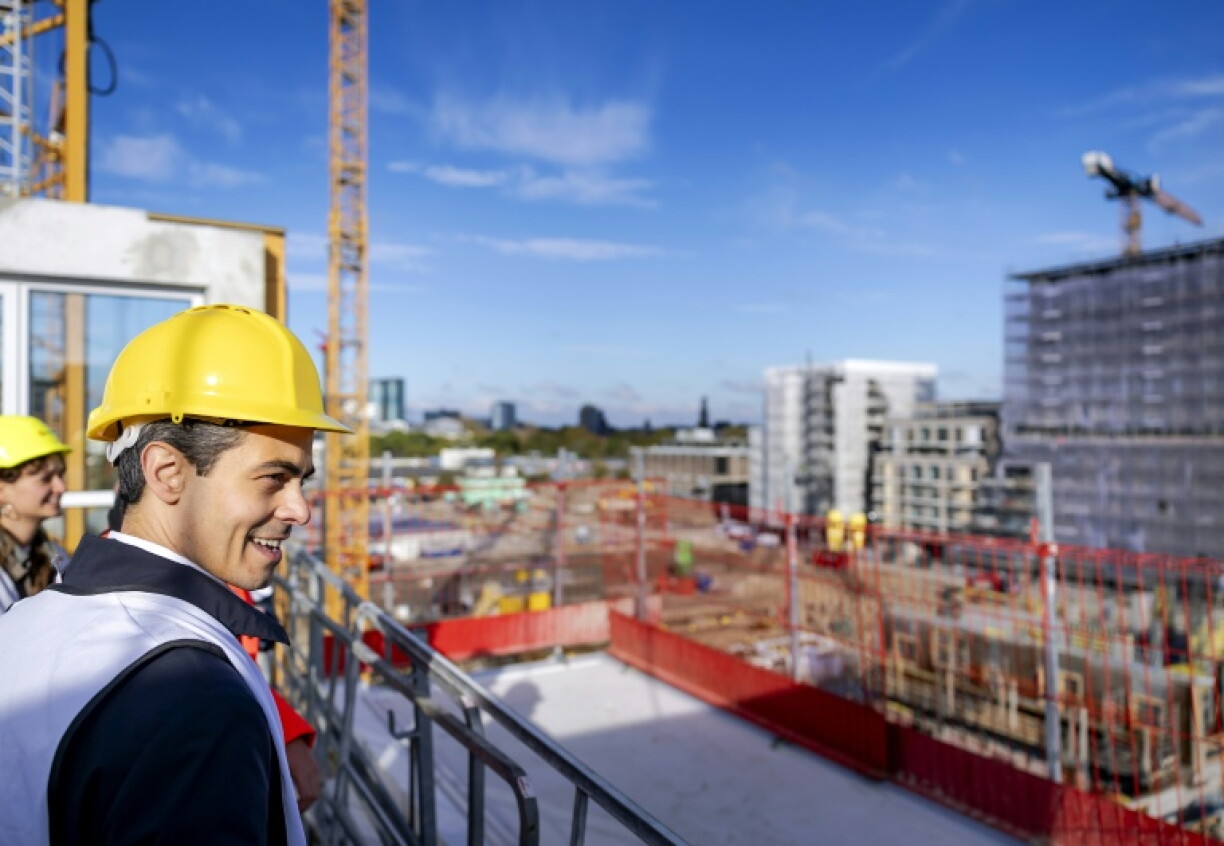
Earlier this year the government announced new measures aimed at speeding up housing construction while guaranteeing that two-thirds of the new stock would be kept affordable, both for buying and renting.
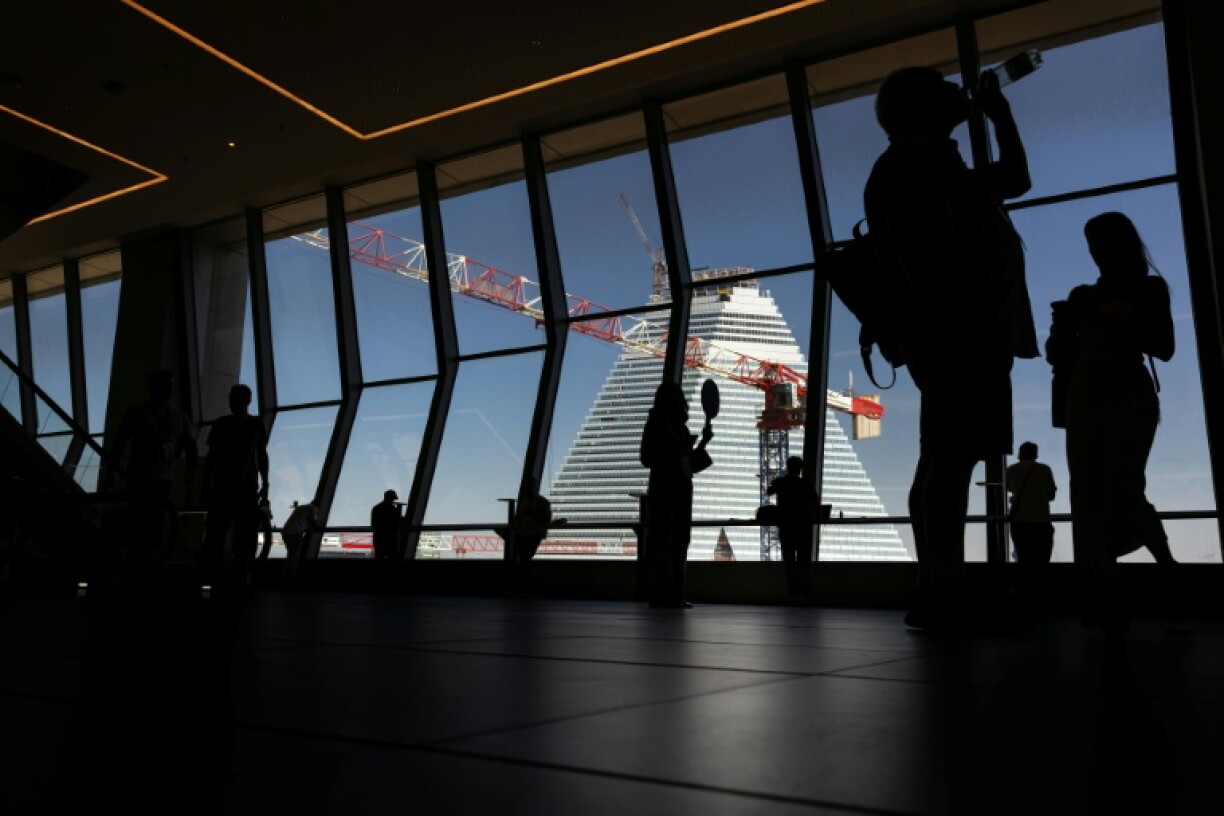
Since 2023 the centrist government has vowed a "supply shock" with measures to incite new home construction and get more rentals on the market, including by easing environmental norms.
One law currently under discussion in parliament would relax rules forcing owners to improve poorly insulated units before they can be rented.
The far right wants the insulation rules scrapped altogether.
The law would also streamline the rules on home construction and provide bigger fiscal advantages to private landlords.

A lack of affordable rental properties in Germany has led to a revival in housing cooperatives, member-owned associations that offer an alternative to both renting and ownership.
Residents buy shares in the cooperative, which owns and manages the housing, and pay fees for their apartments -- a way to keep costs down and protect tenants from speculation.
Cooperatives now manage around 10 percent of Germany's rental stock.
Since 2010 in regions where housing markets are tightest, rents on new leases are capped -- which has reined in prices but prompted declines in new construction.
The leftist party Die Linke made Berlin's housing crisis a rallying cry in recent local elections, promising to expropriate tens of thousands of apartments owned by corporate landlords -- a move the central government is trying to block.
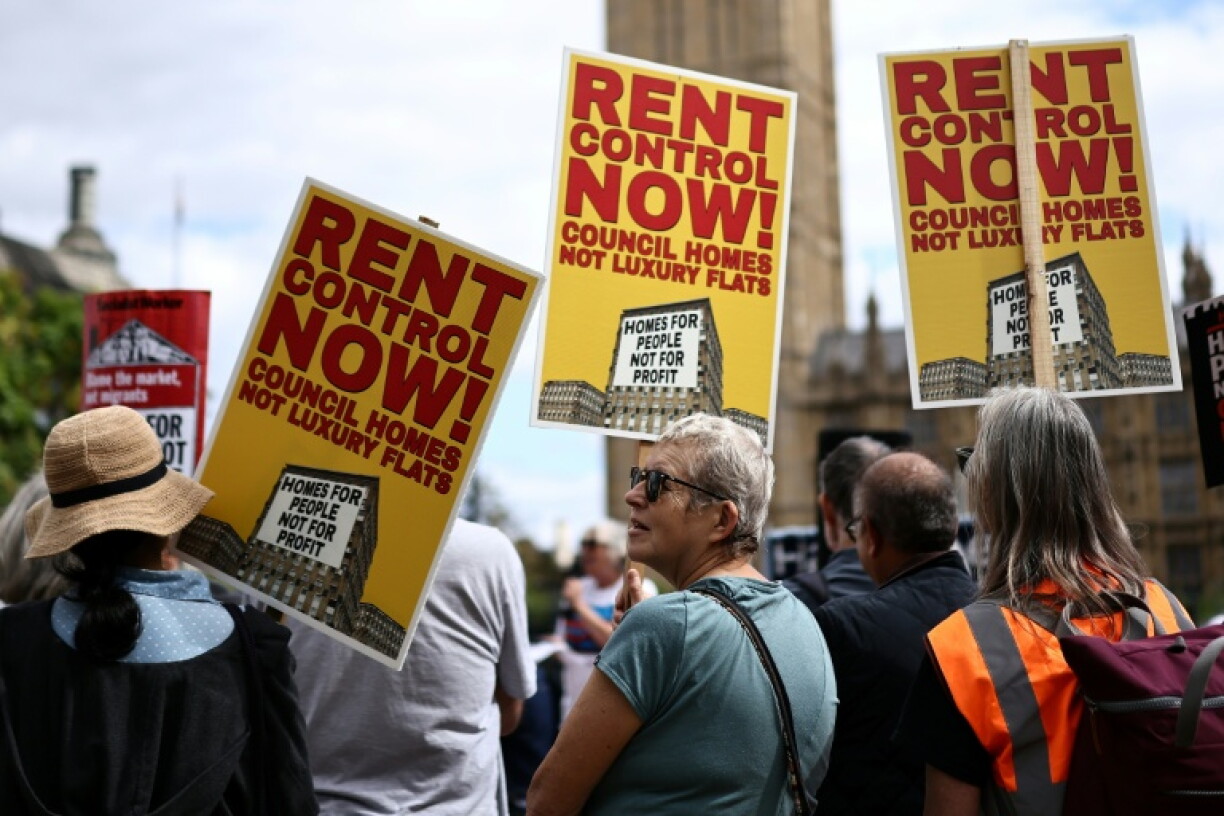
The Labour government wants to increase supply by creating 300,000 social housing units, while also providing financial aid for first-time home buyers.
It has also banned the unjustified expulsion of renters and limited rent increases to just once per year.
But high interest rates along with fiscal and regulatory burdens continue to limit new home construction to alleviate the chronic shortage.

Protests have led the government of Prime Minister Giorgia Meloni to lower taxes on rental incomes, a move aimed at encouraging more owners to put homes and apartments on the market.
Over the longer term, it plans to make around 100,000 more units available over the next 10 years, either by renovating existing social housing or building new units while simplifying regulatory procedures.
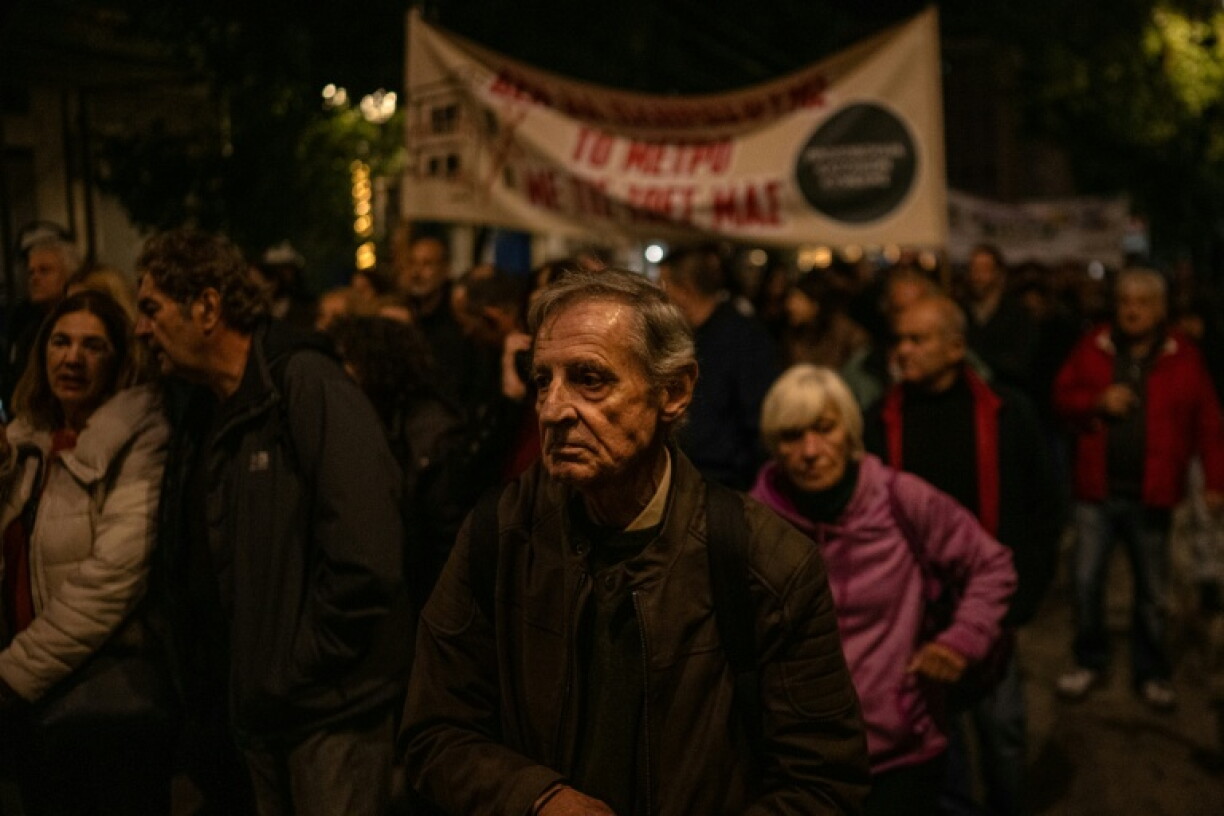
Authorities have focused on limiting the surge in short-term rentals in one of Europe's top tourist destinations, in particular in Athens and Thessaloniki.
The government has also reined in its "golden visa" programme for foreigners who buy property, which critics say has pulled homes off the market for Greeks.
Subsidies provide reduced-rate mortgages for first-time buyers, and public funds are also available for owners who commit to long-term rentals after carrying out property renovations.
bur-jvi/tq/js/jxb


