Chancellor Angela Merkel and the heads of the 16 regional states will come to a decision on Wednesday on the basis of this conclusion, as they re-evaluate the containment measures which began in mid-March and are expected to last until 19 April at present.
On Sunday, the Minister of Health, Jens Spahn, hinted at a reduction in coercive measures depending on the region, which currently affect more than 80 million Germans and have had severe effects on the main European economy.
Spahn said after Easter, it would be a matter of examining how the return to normal life could take place in stages; however he did not specify which sectors would be affected at first.
The Leopoldina Academy, which is based on the opinions of many science and social science experts in the sciences, recommended reopening educational establishments as quickly as possible, beginning with primary schools and colleges. Crèches should remain closed until further notice.
Shops and restaurants could also see a return to normal trading, as well as administrative services, provided that hygiene measures, including regular hand washing and respect for social distancing, are scrupulously respected.
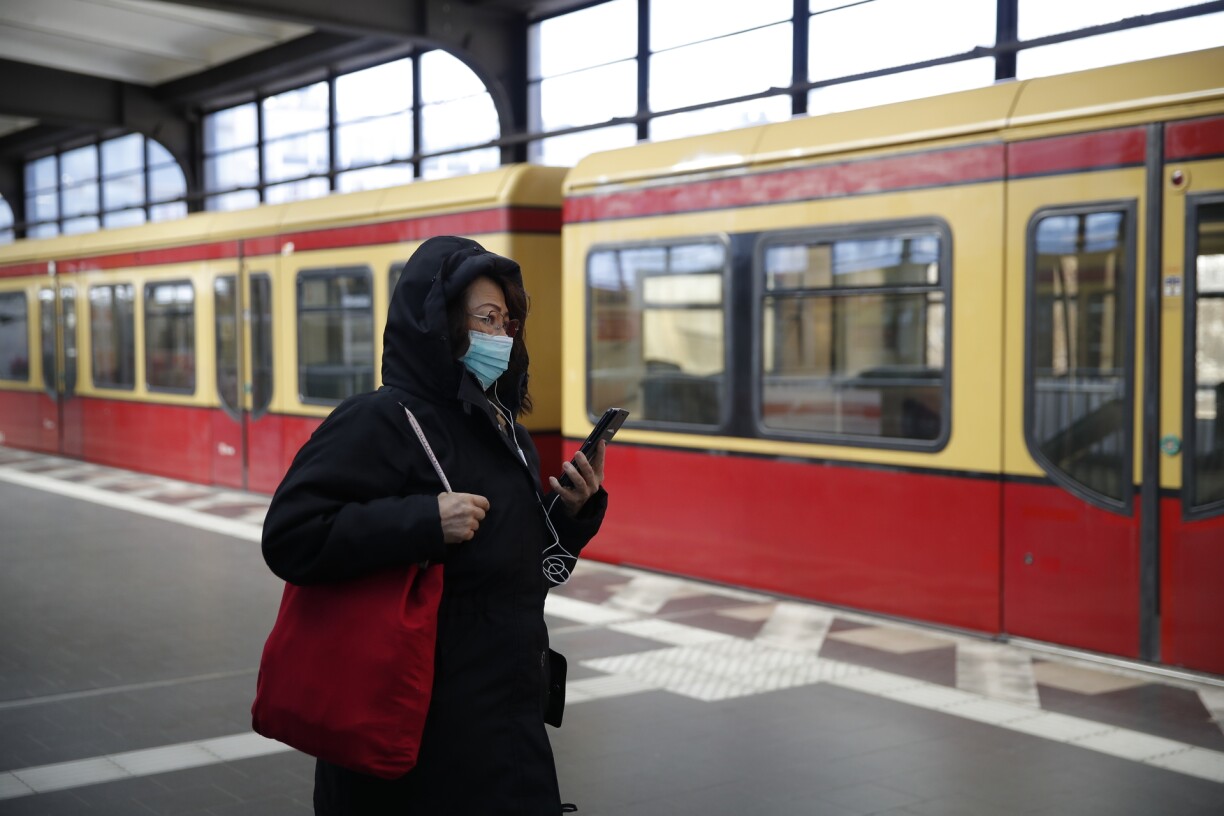
The president of the Leopoldina Academy, Gerald Haug, nevertheless warned that the relaxation of the strict measures could only take place if the public was obliged to wear a protective mask in public transport. He told Der Spiegel that every citizen should wear mouth and nose protection in future for outings in which the rules of social distancing could not be respected. It would be a necessary measure to prevent a second wave of infections.
Germany numbered 123,016 confirmed cases of Covid-19 on Monday, but has experienced a notable drop in new cases recorded daily. The Academy's report, which also suggested resuming cultural and sporting events on a gradual basis, has come at a time when pressure on the German government to reduce the coercive measures has increased. As a country, Germany is deeply attached to public freedoms, and the economy has suffered greatly as a result of the stringent rules.
Armin Laschet,, the influential leader of the region of North Rhine-Westphalia, has increased pressure on Mrs. Merkel by asking for prospects of normalisation in order to to break the drastic restrictions. The region, which counts 18 million residents and is the most populous in Germany, is also one of the most affected by the pandemic.
Laschet, a candidate for the presidency of the Christian Democratic Union (CDU), said the country needed a map to show them the way back to normal life with full responsibility.
The outgoing CDU president, Annegret Kramp-Karrenbauer, also mentioned the possibility of "first steps" towards reducing confinement measures after the Easter weekend. The latest figures published by the Robert-Koch health monitoring institute also appeared to confirm a slight improvement in the situation.
2,799 people have died in Germany due to the coronavirus, and the daily increase rate of cases had slowed to 2.537 on Monday - a situation which, although difficult, is by far superior to other European countries such as France or Italy.
Another encouraging factor is that the number of people cured of the coronavirus now exceeds the number of patients. But Spahn warned the virus is expected to have global repercussions for a long time to come and expressed the need to live with it in a sustainable manner.





