Amid swelling crackdowns on civil society globally, a UN watchdog told countries Thursday they could not limit the right to freedom of association by requiring state authorisation or misusing counter-terrorism laws.
The reminder from the United Nations Human Rights Committee to countries of their obligations to respect the right to freedom of assembly came at a time when rights defenders, trade unions, political parties and grassroots movements face increasing legal and administrative barriers.
The committee, made up of 18 independent rights experts tasked with monitoring how countries implement the International Covenant on Civil and Political Rights, stressed that the right to free association, guaranteed in article 22 of the treaty, was "a cornerstone of any democratic society".
That right was also "an essential prerequisite to ... realise a wide range of other rights", it said.
"Attacks and infringements on the right to freedom of association are thus a crucial barometer of a broader crackdown on human rights, the rule of law and democracy."
Committee vice-chair Helen Tigroudja told AFP that recent reviews, including of Britain, Hong Kong and India, as well as South Korea, Israel, Russia and Turkey, "raised concerns on several aspects regarding formal and informal associations".
"The contexts might be different but the trends are global and deeply concerning," she said in an email.
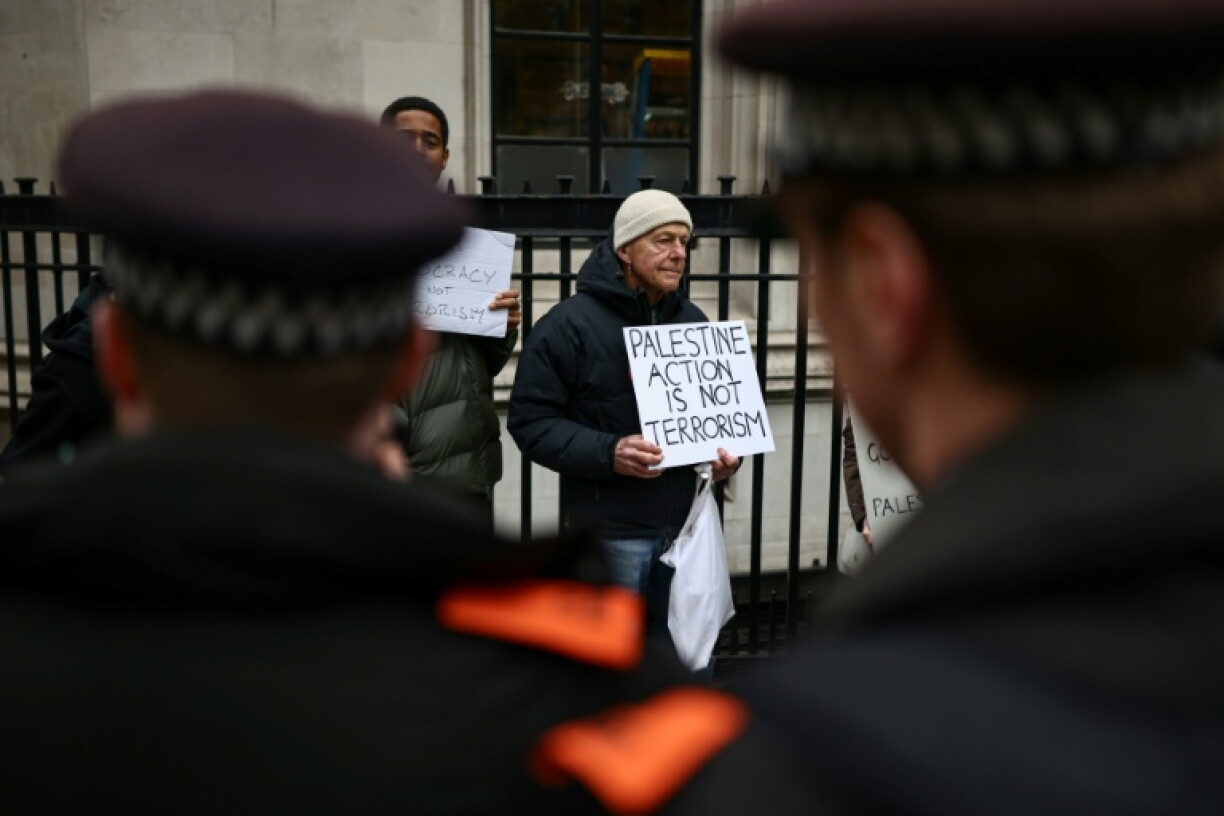
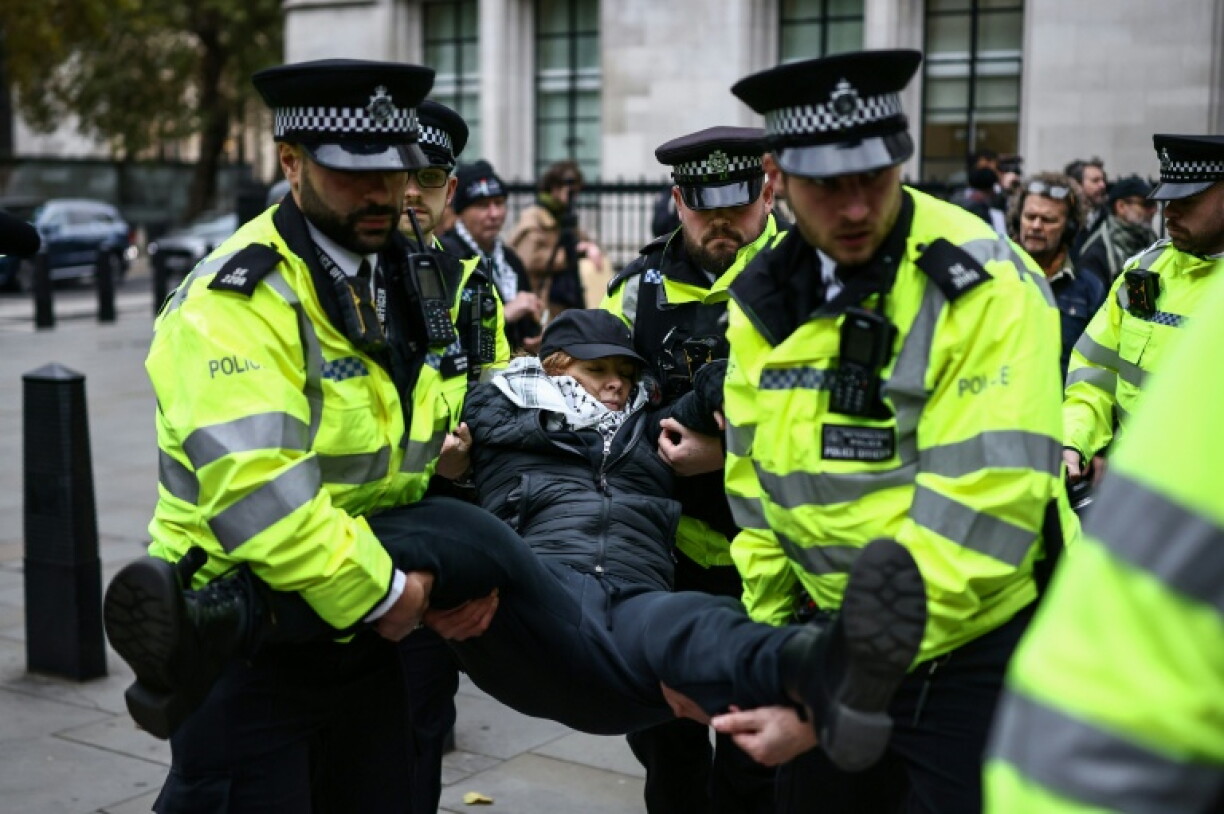
She did not detail specific cases, but several have spurred international condemnation, including Britain's decision to ban Palestine Action as a "terrorist" organisation and criminalise anyone publicly supporting the group.
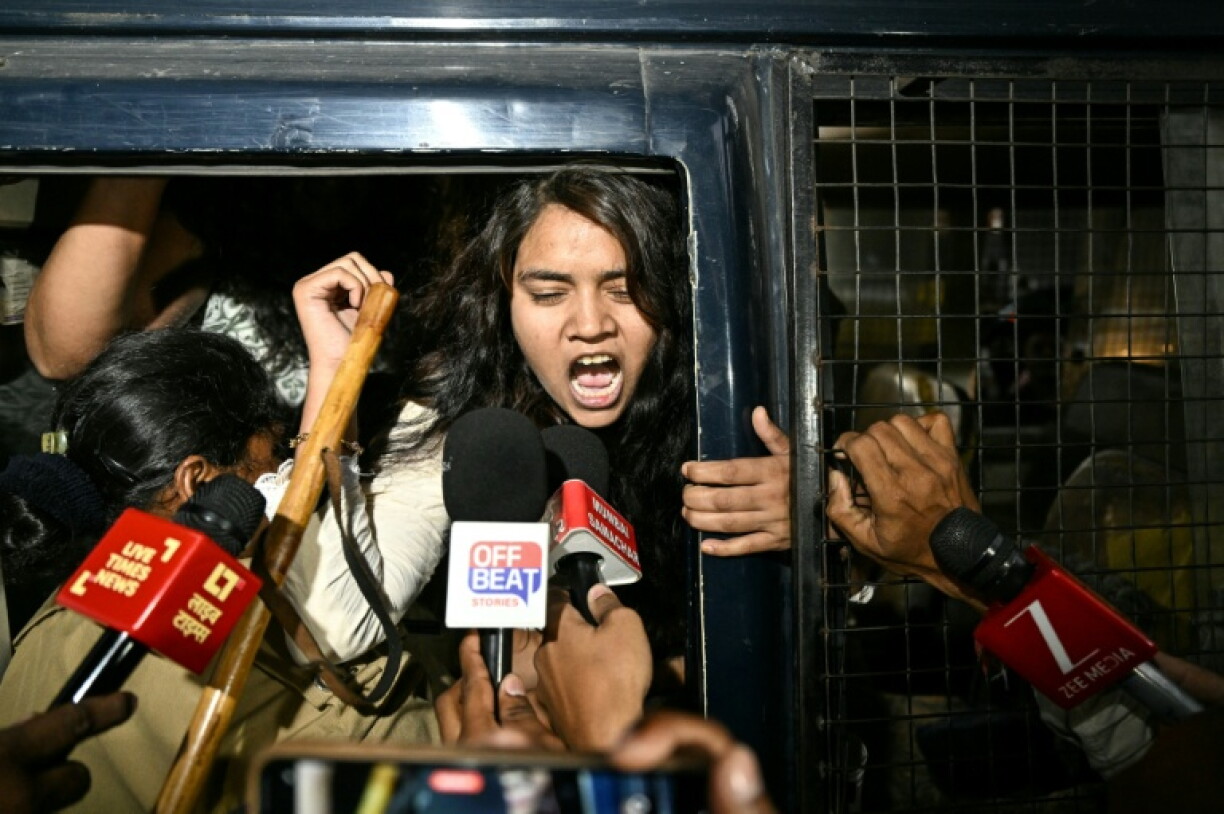
Also raising concerns have been India's crackdown on the youth-led Cockroach Janta Party (CJP) movement and the lengthy prison sentences handed to leaders of a group that once organised annual vigils in Hong Kong for those killed in Beijing's Tiananmen Square in 1989.
"The right to freedom of association is not conditioned by a state's authorisation or acknowledgement," the committee stressed.
Individuals, it highlighted, must be free to decide whether to form or join registered or informal associations.
"The mere fact of joining or being a member of a non-registered association must not be criminalised or sanctioned," it said.
In their new guidance, the experts emphasised that the right "covers ideas, activities and actions that might be labelled as controversial, dissent or disruptive".
The committee also warned against the misuse of counter-terrorism and national security legislation to rein in freedom of association.
Individuals and groups could not be designated as "terrorist" for things like "engaging in peaceful advocacy or activities" or providing humanitarian assistance, it said.
The guidance also took issue with the expanding use of so-called "foreign agent" laws in Russia and elsewhere against individuals and organisations receiving support or funding from abroad.
Article 22 "protects the right to seek, have access, receive and expend funding and other material resources, including those coming from outside the state party", it said.
The committee acknowledged that the freedom of association was not absolute, but stressed that restrictions must remain "exceptional, strictly limited and fully in line with article 22".
The committee wants to see its guidance taken into account by authorities drafting legislation and assessing the legality of restrictions placed on the right to freedom of association, Tigroudja said.
It could also be used by civil society and "for strategic litigation", she said.
nl/rjm/st


