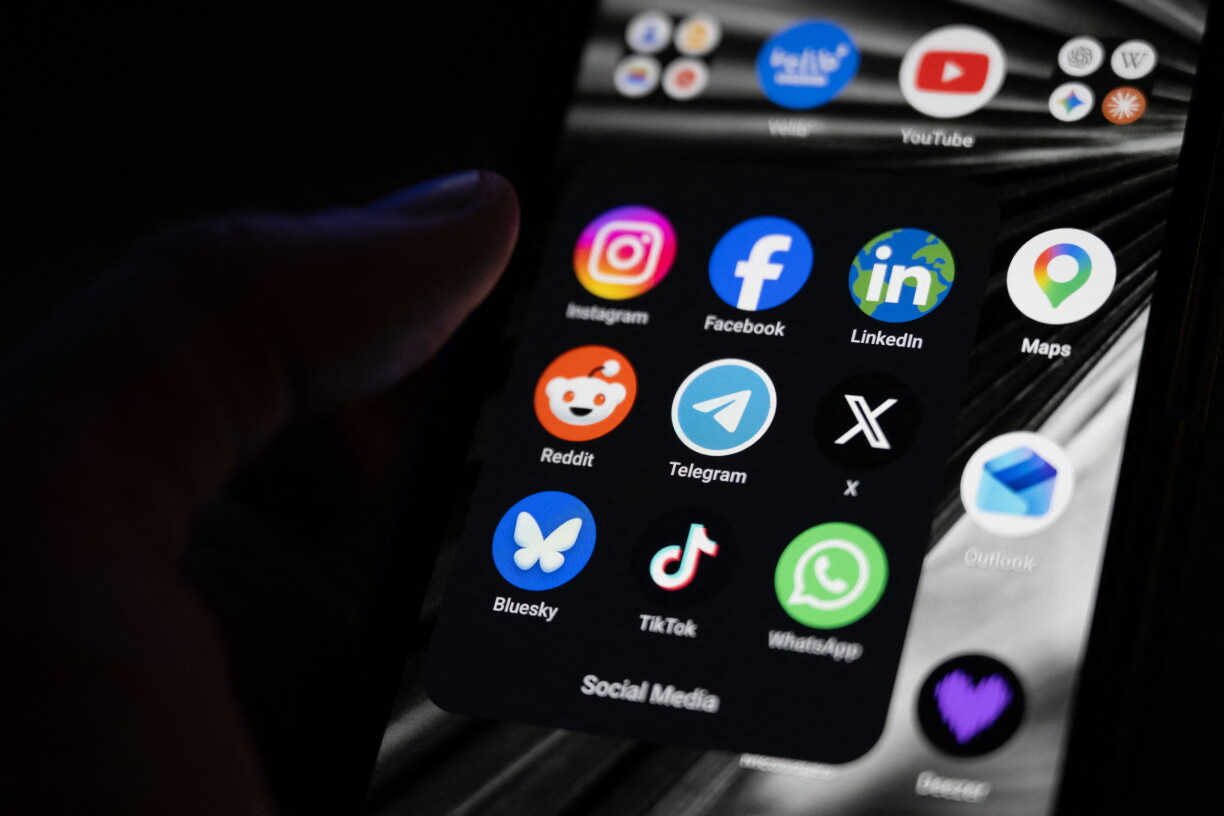
Experts have long warned about the potentially harmful effects of social media on children and adolescents during their developmental years. As concern has grown, political leaders across Europe have introduced a range of new policies. Now, the European Union is stepping in, signalling its intention to introduce a unified ban on social media for young users through the proposed Kids Act. Despite this, several EU countries have not waited for Brussels and have already developed individual strategies to tackle the issue at the national level.
The international debate gained momentum last year when Australia became the first country to ban access to social media for those under 16, sparking discussion across Europe. After much speculation, the European Commission on Thursday confirmed that it aims to introduce consistent rules for children and teenagers throughout the Union.
Commission President Ursula von der Leyen outlined the core proposals, including a social media ban for children under 13 and no personal accounts under 15. This means that between 13 and 15, children can only use so-called mini-accounts, which must be created and monitored by a guardian. These profiles are strictly limited in terms of usage and can be accessed for a maximum of one hour per day.
Luxembourg’s government had previously indicated a preference for national measures over the EU-wide proposal and stated that it would hold off on its own initiatives until the end of this year. However, other member states have chosen not to wait.
France, for example, became the first EU country to pass a law banning social media for those under 15 in July, although the Constitutional Council later overturned the legislation in August.
Austria’s federal government also introduced a similar measure in July, seeking to restrict social media access for those under 14. With the EU plan now on the table, it remains unclear when, or if, Austria’s national law will take effect. The new EU rules could require that European regulation take precedence over national ones. Spain and Greece have also announced bans or limits on social media use among young people.
In Germany, a group of experts concluded over the summer that some form of ban would be a step in the right direction. Federal Education Minister Prien welcomed the EU’s move, but also noted that some areas remain outside the bloc’s jurisdiction. As a result, transitional legislation is expected to be presented in Germany in October.
The EU’s Kids Act will now be sent to the European Parliament and all 27 member states for consultation. It is likely to be several months before the proposals are formally adopted and put into practice.





