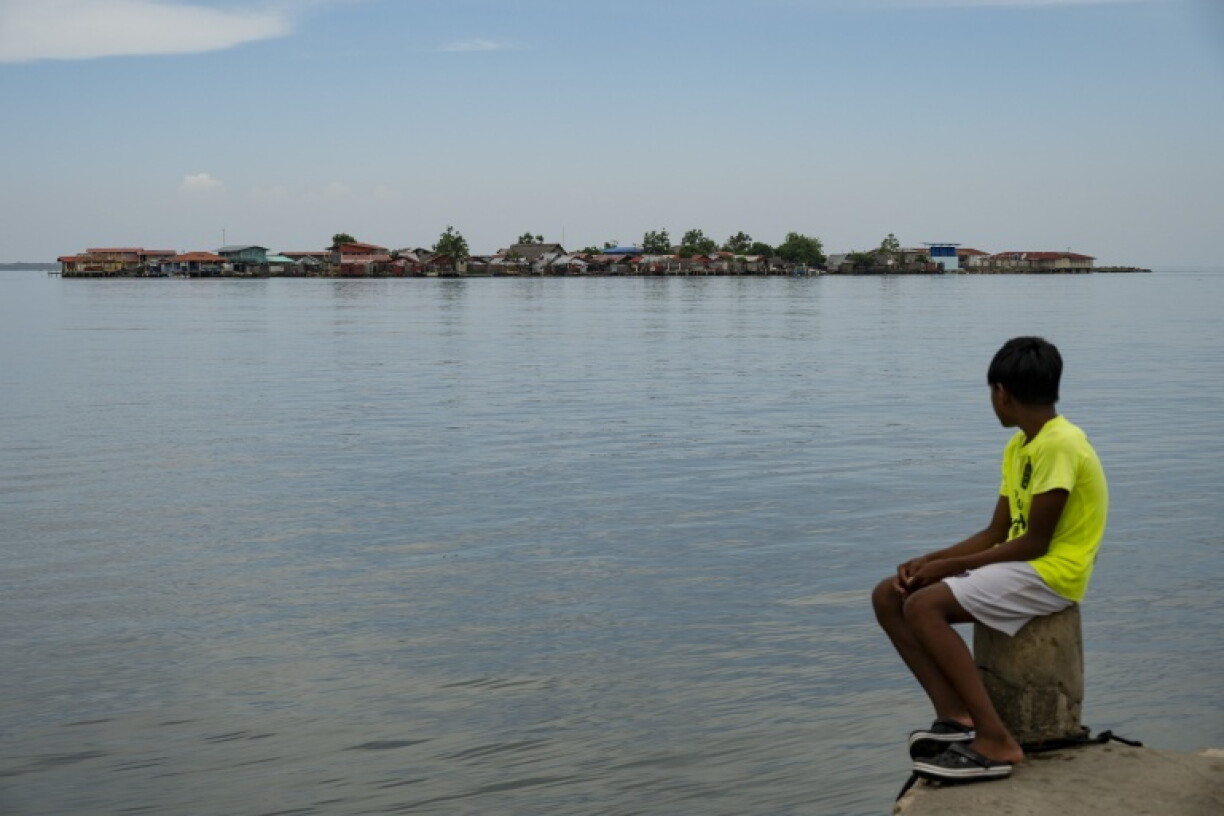
Climate change could force more than 200 billion people from their homes even as countries spend billions on securing their borders, the head of the UN's migration body said Friday.
Amy Pope, director general of the International Organization for Migration (IOM), made the warning in an interview with AFP at the United Nations climate conference in the Turkish resort of Antalya.
"Over 200 billion people are currently living in extremely climate-vulnerable communities who are at risk of displacement," she said.
"If we don't act now, we anticipate that those movements will increase significantly."
In 2025, storms, drought, forest fires, extreme temperatures or flooding forced nearly 30 million people to flee their homes, according to IOM data.
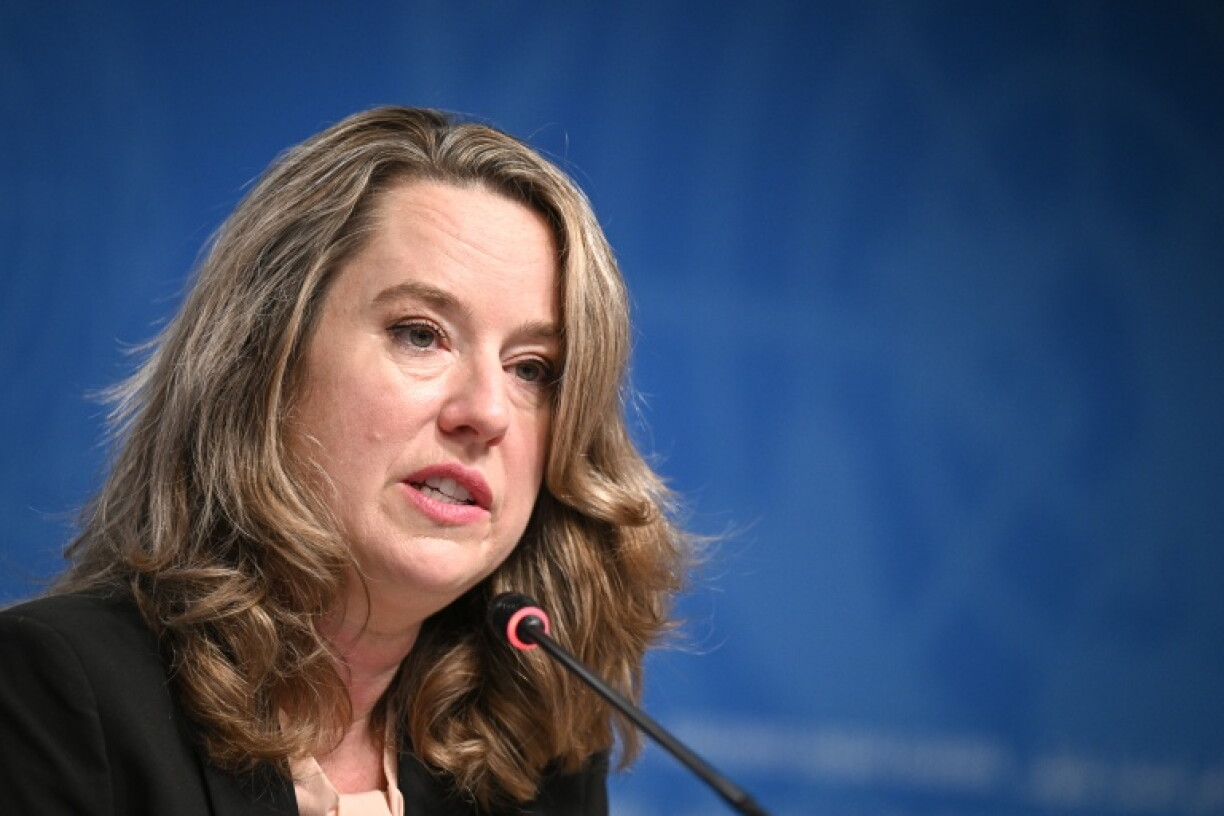
"What we don't see, though, is the kind of policy or investment that's needed to address those drivers of migration," said Pope.
"And, of course, the tension is that we know that countries are spending billions of dollars on border security."
Some of the very countries that stayed away from the climate conference were the same expressing concern about migration, said Pope. Yet the two issues were connected, she said.
"It is critical that governments not put these different issues into silos," she argued.
"We often are asked to help support governments as they address irregular migration when it happens," she said.
"We know how expensive that can be, we know how many lives can be lost."
What would make more sense, she argued, would be to help communities threatened by climate change to find ways of mitigating its effects.
That was "a much more humane but also cost-effective way of responding to those challenges", she said.
"We're talking about adaptation measures that are estimated to cost about $310 million or so," she added.
And yet, so far, there had been about $30 million in funding, and that was "nowhere close to what it needs to be".
Pope regretted the absence of so many heads of state from the COP31 talks.
"We encourage all states to be engaged, to be driving solutions, to ensure that they have a comprehensive approach," she said.
"We would love to see them all at the table."
bg/jj/jhb


