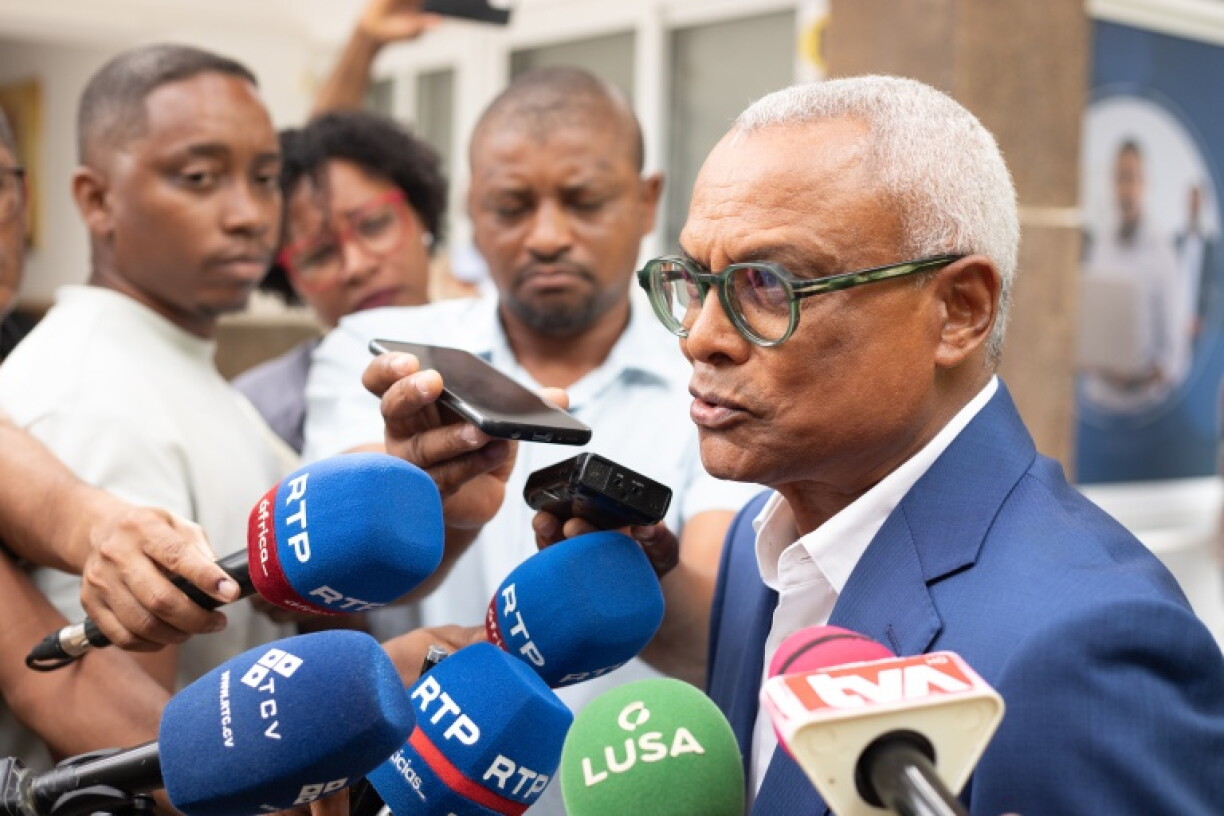
Cape Verde's President Jose Maria Neves easily won re-election Sunday, according to provisional results from the country's electoral commission.
Neves, who went into the vote as the favourite, received 63.8 percent of the ballots cast in the West African archipelago, which is reputed for its stable democracy.
Among the contenders he faced was the country's first woman candidate, Joana Rosa Amado.
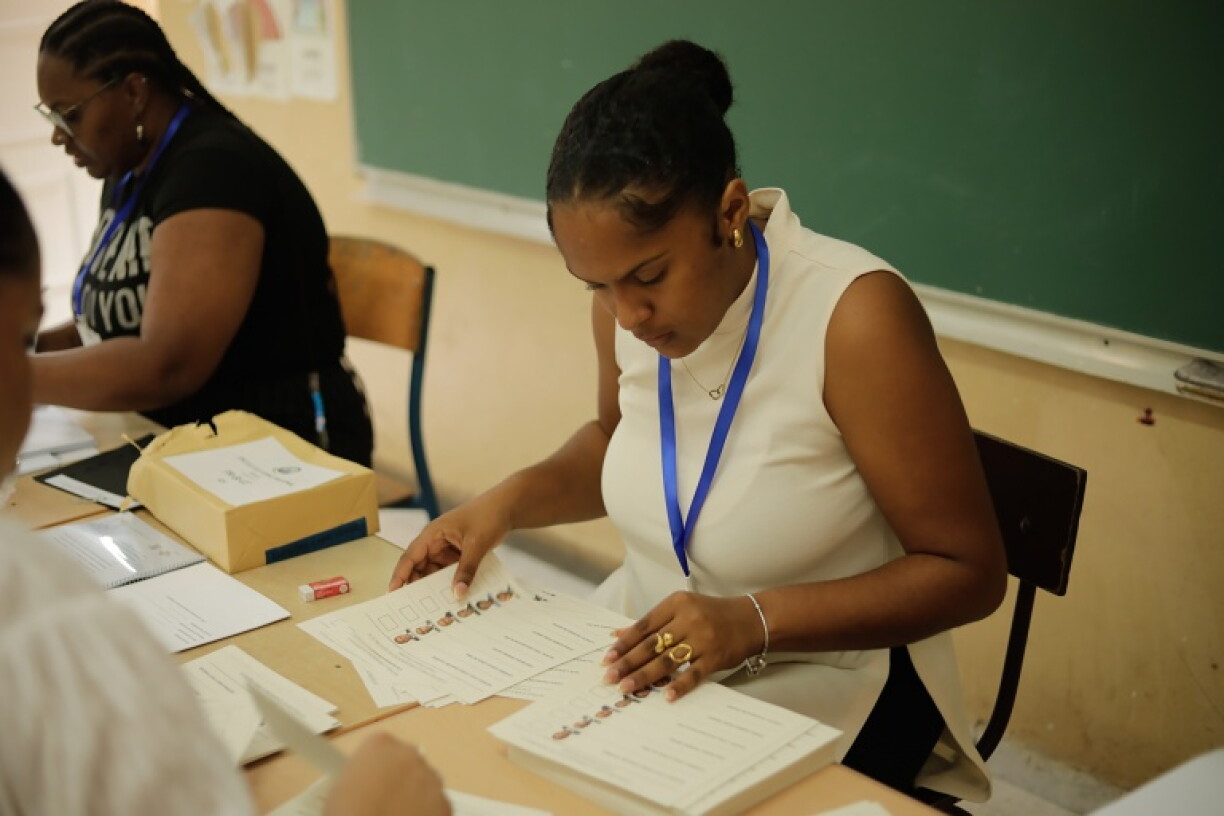
Nearly 420,000 people were eligible to vote in the country's election.
Some 150 observers from the Economic Community of West African States, the African Union and the European Union were on hand to watch voting.
Cape Verde, located in the Atlantic Ocean about 600 kilometres (380 miles) off the coast of Senegal, comprises 10 volcanic islands and is an increasingly popular tourist destination.
It made world headlines this year when its national football team reached the knockout stages in its first World Cup, and when a cruise ship containing people with hantavirus anchored off its shores.
Unlike several of its West African neighbours where presidential elections have been tense in recent years, Cape Verde is known for its political stability and good governance.
It is considered a model of democracy in Africa, with strong economic growth.
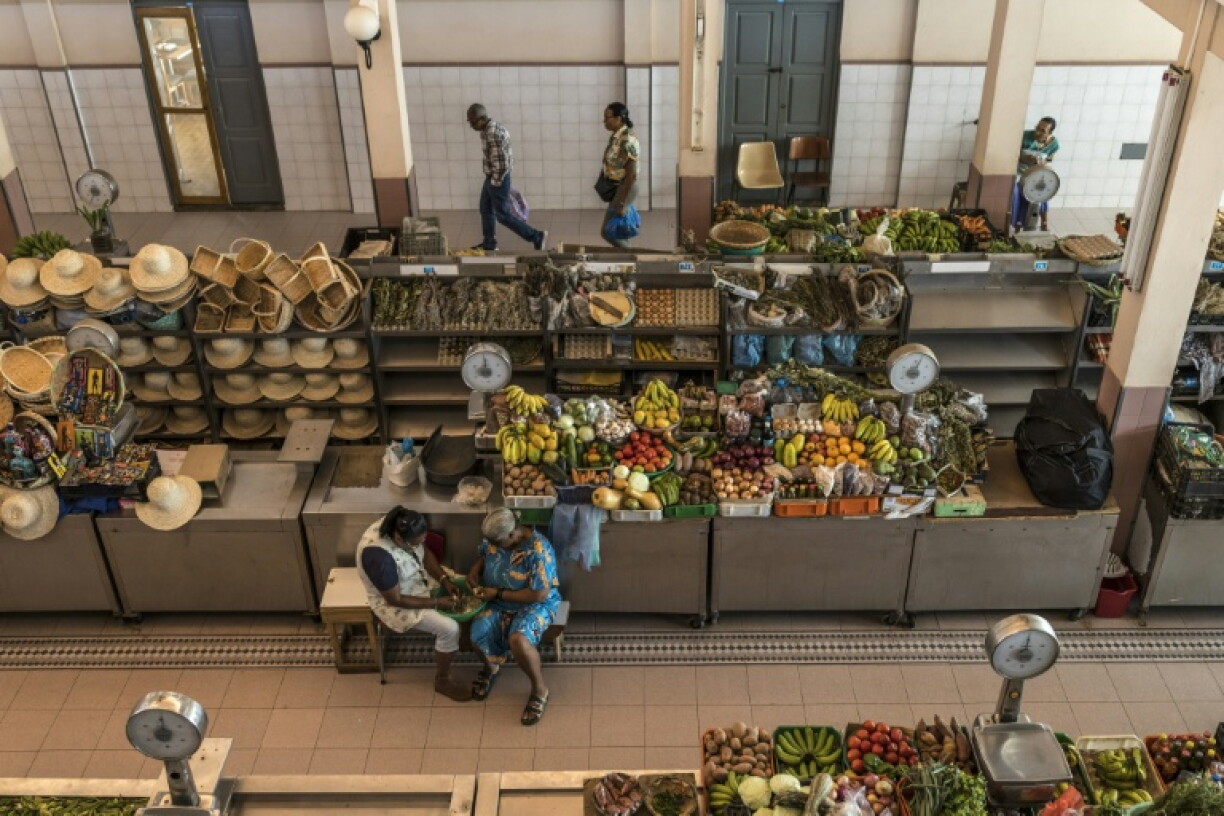
The country is known for its "morabeza" ("hospitality" in local creole), openness and carnivals. It also has its own style of music.
According to the Mo Ibrahim Foundation's 2026 index on global governance, Cape Verde ranks third out of 54 countries on the continent.
Politically, it has a semi-presidential system in which the executive is dominated by the prime minister.
The president does not govern but acts more as an arbiter, working to guarantee unity and uphold the constitution.
The head of state appoints the prime minister based on the results of legislative elections and represents the country abroad.
Neves was first elected president in 2021. From 2001 to 2016 he also served as prime minister and president of the African Party for the Independence of Cape Verde (PAICV). He has also been a mayor and a lawmaker.
Neves has the support of the PAICV, which won legislative elections in May.
"In these times of international uncertainty, it is essential that Cape Verde continues to have a patriotic, experienced president capable of inspiring Cape Verdeans," he said this week during a rally.
In July, the World Bank classified Cape Verde as an upper-middle-income country thanks to economic growth in the tourism sector.
However, the country faces many challenges, including persistent social inequality, geographic isolation and a lack of affordable options for travelling between islands.
Among the population's major concerns are the increased cost of living, fuel prices and youth unemployment.
lp-mnv/rmb/pnb


