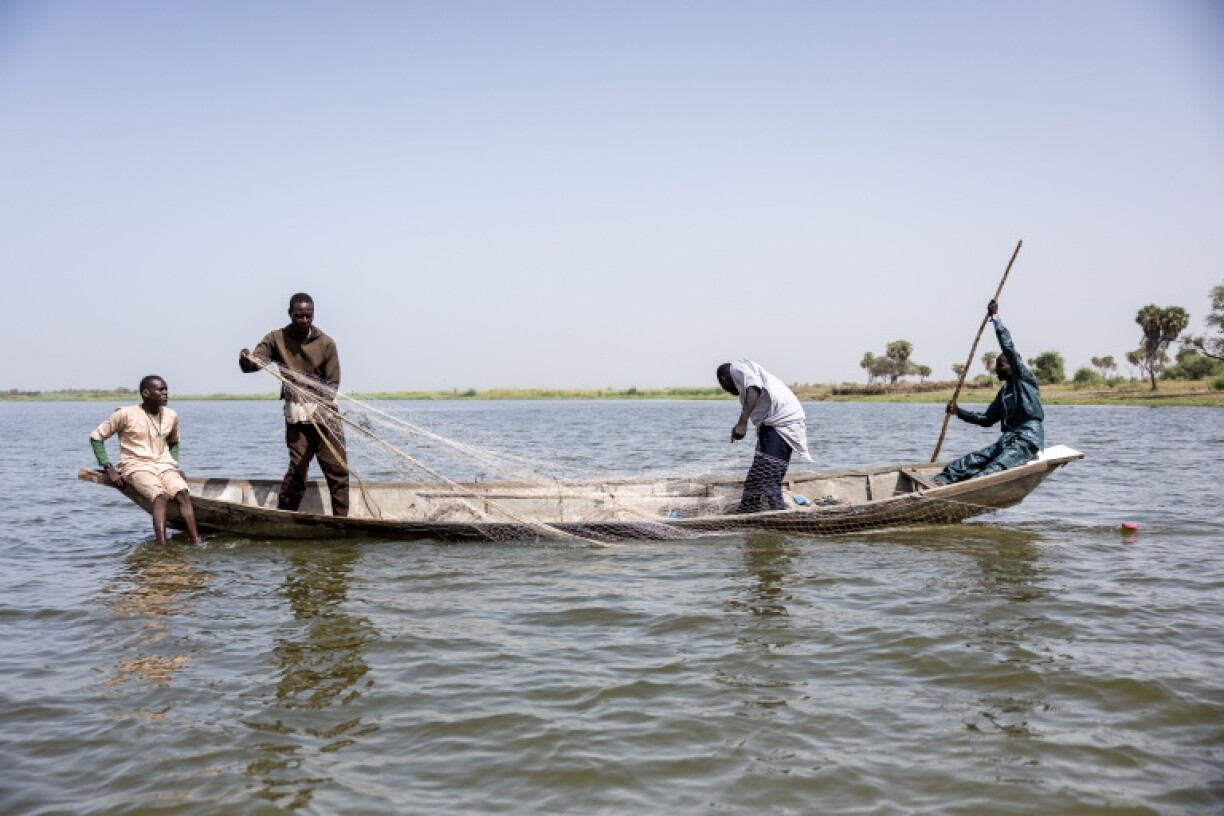
Every month, Nigerian fisherman Musa travels with dozens of others from a town on the shores of Lake Chad deep into territory controlled by Boko Haram militants to access islands where fish are plentiful.
For more than a decade, the 46-year-old from Doron Baga relied on food handouts from international charities to feed his two wives and nine children after being forced to flee jihadist violence.
But his life changed last year after the United States slashed foreign aid, drastically cutting funding to international charities that provide humanitarian relief to hundreds of thousands of people displaced by Nigeria's 17-year jihadist conflict.
In interviews with farmers, NGOs and intelligence sources, AFP has learned how fishermen like Musa feel they now have no choice but to seek out work with the jihadists to feed their families. Hunger forced many of them indirectly into jihadist ranks.
Their accounts illustrate the complexity of resolving Nigeria's entrenched insurgency even as the US government extends military aid to President Bola Ahmed Tinubu, who is seeking re-election in January with insecurity one of his top challenges.
After paying levies, Musa and other fishermen are ferried by Boko Haram fighters on large, motorised boats from the shores of the lake near Baga to the islands of Shuwa and Dan-Katsina, which are known for their huge fish reservoirs.
"Once we are in their territory, we are part of them and do as they say because we have no option," Musa, who used only his first name for safety reasons, told AFP by phone.
Like thousands of others, he once lived in a makeshift camp in Maiduguri, the capital of northeastern Borno state -- the epicentre of jihadist violence that has wreaked havoc in Africa's most populous nation for nearly two decades.
Even before the aid cuts, the state government started closing camps, pushing displaced families to areas that aid agencies warned were still not fully liberated from jihadists.
While the conflict has ebbed sharply since its peak as jihadists were forced back, the fighting is fluid and farmers say they are still targeted by militants.
Arzika, another fisherman from Baga, said he preferred the "huge risks" of making a living by fishing in the jihadist-controlled territory than watching his family go hungry.
Fishermen run errands for jihadists, delivering supplies during the trips and updating them on the situation in areas outside their control.
That puts fishermen at risk of being caught between the jihadists and the military. Both sides accuse some communities of working with their enemies.
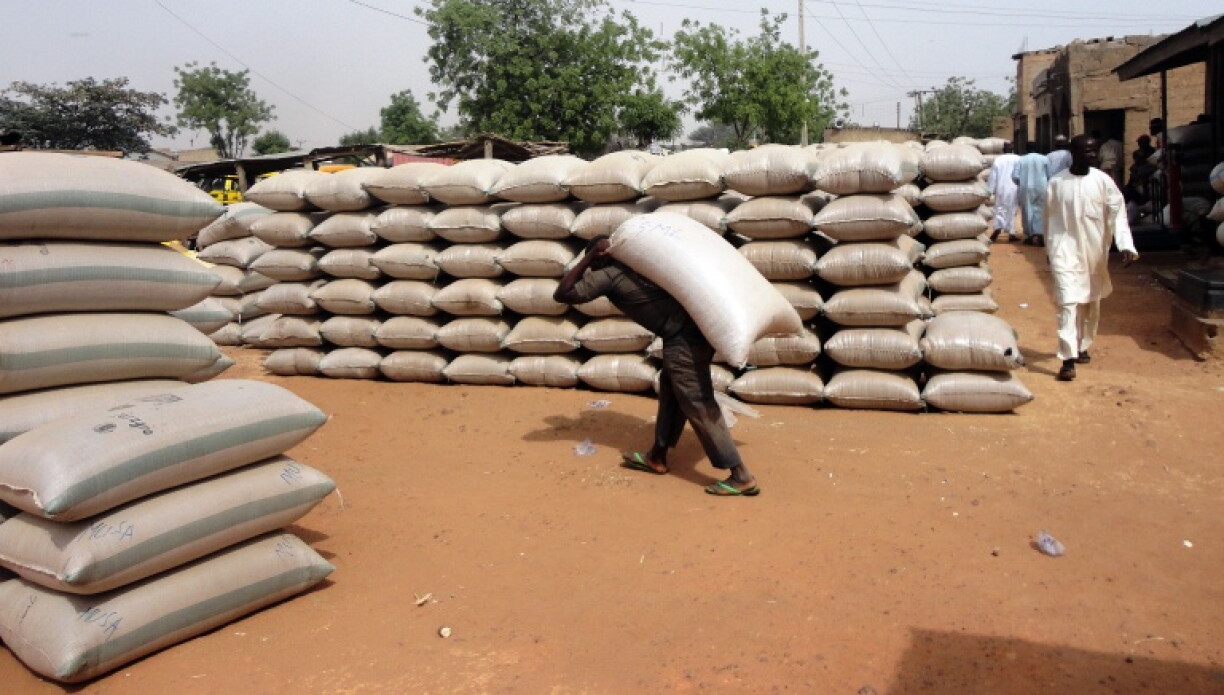
Aid cuts and the rising insecurity have driven hunger in parts of the northeast to levels unseen in nearly a decade, according to the World Food Programme, the largest international food aid distributor.
Since the cuts came into effect, the number of people facing acute food shortages has swelled to more than three million from 1.6 million, in Borno alone, said WFP.
Over 17 million people across nine conflict-affected states in northern Nigeria "are experiencing crisis, emergency, or catastrophic levels of hunger", an almost two million increase since last year, it added.
"There is simply far less funding available," Arjun Jain, the UN High Commissioner for Refugees (UNHCR) representative in Nigeria, told AFP.
"Humanitarian agencies are receiving much less than is needed, and some have been forced to shut down altogether," he said.
The significant reduction in funding has seen a corresponding deterioration in the security situation, he added.
Being displaced to places that are unable to support them adequately, including parts of neighbouring Niger, Nigerian refugees face impossible choices.
"They can return home and live in extreme poverty, watching their circumstances deteriorate further" or "may feel compelled to associate with gangs or armed groups simply to survive," Jain said.
In July, WFP said "communities have reported cases of individuals joining armed groups in search of food or income," attributing the "desperate coping strategy" to suspension of food aid to the displaced due to "extreme funding shortfalls."
Borno fisherman unionist Sani Abdullahi said the food aid cuts left the jihadist-controlled lake as the only survival option for many colleagues.
"Many have no other choice," Abdullahi said.
Abdulaziz Mala, executive director of Swift Relief, a Maiduguri-based charity, said some young men have turned to drugs, theft and kidnapping, while others have joined jihadist ranks as suppliers.
"This has led to some of them being easy recruits and willing tools" of the militants, Mala said.
Despite the cuts, a US State Department spokesperson told AFP the "United States remains the most generous nation in the world for life-saving humanitarian assistance" -- channelling over $4.8 billion through the UN agencies such as OCHA, UNICEF and WFP since December last year.
"Nigeria benefits significantly from this funding," said the spokesman, but added that more needs to be done, particularly in supporting IDPs.
AFP contacted Nigeria's humanitarian affairs ministry and the military for comment but received no response.
Lake Chad, the freshwater lake which straddles Nigeria, Niger, Cameroon and Chad, is largely under Boko Haram control, where it has turned several of its islands into a sanctuary.
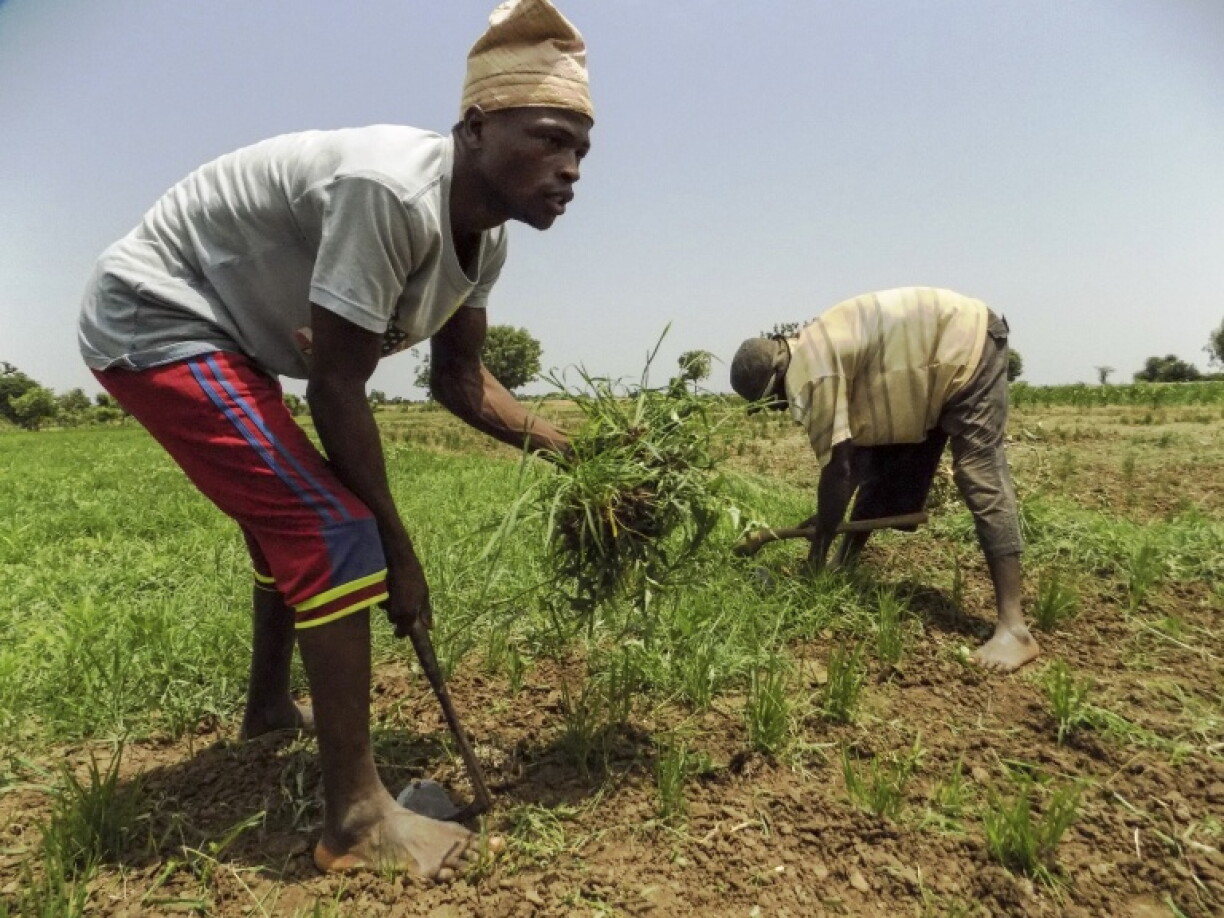
The lush vegetation and fertile soil attract fishermen, farmers, herders and loggers who pay "tax" to fish, cultivate crops, graze and collect firewood.
This has given Boko Haram a financial and recruitment edge over its Islamic State-linked rival, the Islamic State West Africa Province (ISWAP), which has been facing a cash crunch.
The two rival groups often clash over territory and resources.
ISWAP -- which also relies on levying cattle herders, fishermen and farmers -- controls limited fringes of Lake Chad, after Boko Haram pushed them out and took over most of the area.
Recently, ISWAP leaders gathered in their strongholds with six Maghrebi jihadists from Morocco, an intelligence source with knowledge about jihadist activities in the region told AFP.
The meeting focused on how to shore up revenues and stem the tide of desertions by fighters, said the intelligence source.
In contrast, Boko Haram has diversified ways of generating money, including taxes on fishermen, herders, farmers, loggers, and from animal hides, the gum Arabic trade as well as ransom from kidnapping, the source said.
Kidnapping for ransom is a lucrative business in Nigeria.
According to Lagos-based SBM Intelligence, criminal groups raised nearly $6 million in ransom payments between July 2025 and June 2026, 90 percent of it to Boko Haram, following two mass kidnappings: 260 pupils from St Mary's Catholic School in Niger state and more than 400 people in Ngoshe, Borno state.
The government denied paying the ransoms.
"Boko Haram has the money to throw around and people too weak to brave the hardship are drawn to them," said Babakura Kolo, an anti-jihadist militia assisting the Nigerian military.
Boko Haram's solid revenues from illicit taxes in the Lake Chad area it controls have given it the financial muscle to recruit more desperate young men.
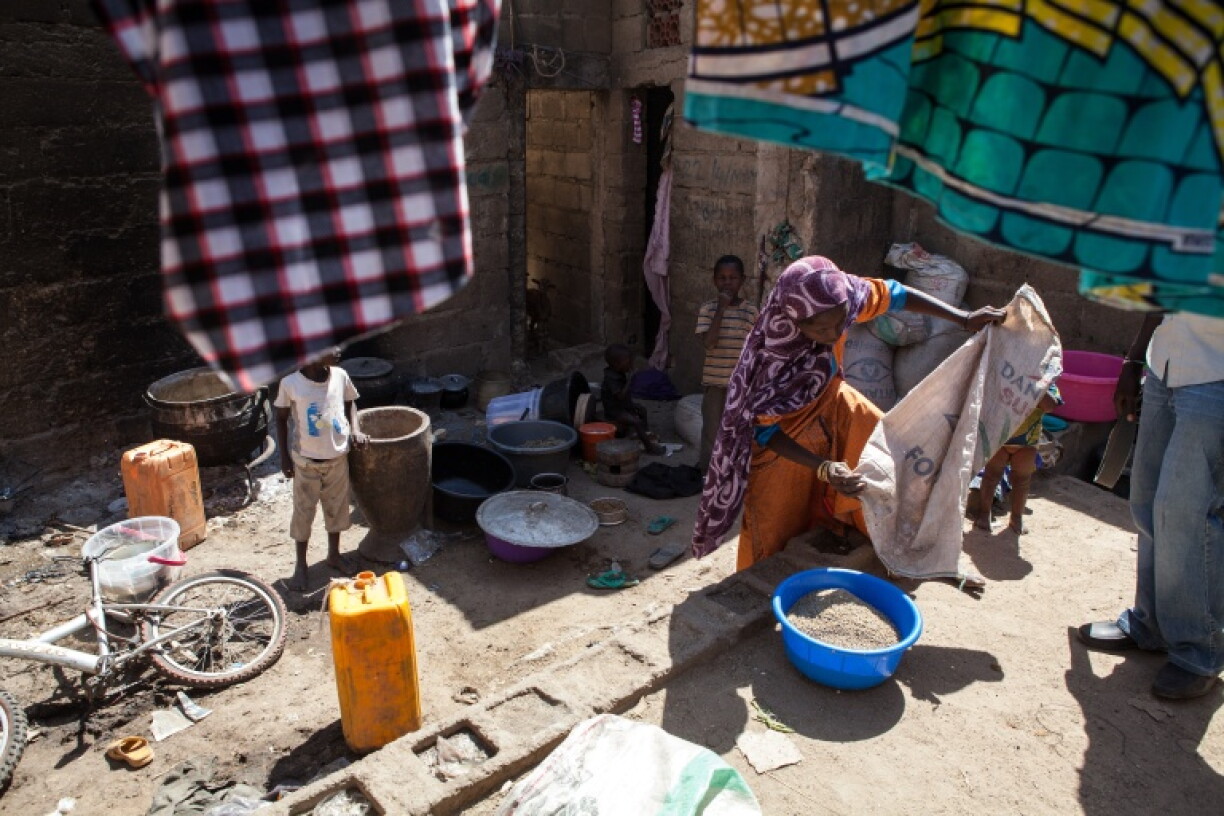
In February, Boko Haram launched a recruitment drive of 1,500 fighters in the forest straddling Yobe and Borno near the border with Niger, according to the intelligence source.
In under a week, over "5,000 candidates showed up, some of them from as far as Chad", said the source.
His account was supported by fisherman Sani and militiaman Kolo. "All of them are young men in their prime," Kolo said.
Associating with Boko Haram is like "playing Russian roulette, with potentially deadly consequences", said Mala of Swift Relief, which helps Lake Chad basin communities.
Fishermen operating there "risk being mistaken for the insurgents" by the military, Mala said.
In one incident in May, dozens of Nigerian fishermen were killed when Chadian jets pummeled Shuwa island, according to anti-jihadist militia and fishermen's union.
The bombardments were in response to the group's attacks which killed around 30 Chadian soldiers, including two generals.
"If people were getting aid, why would they take this risk and put their lives on the line?" fisherman Abdullahi asked.
abu-sn/pma/phz