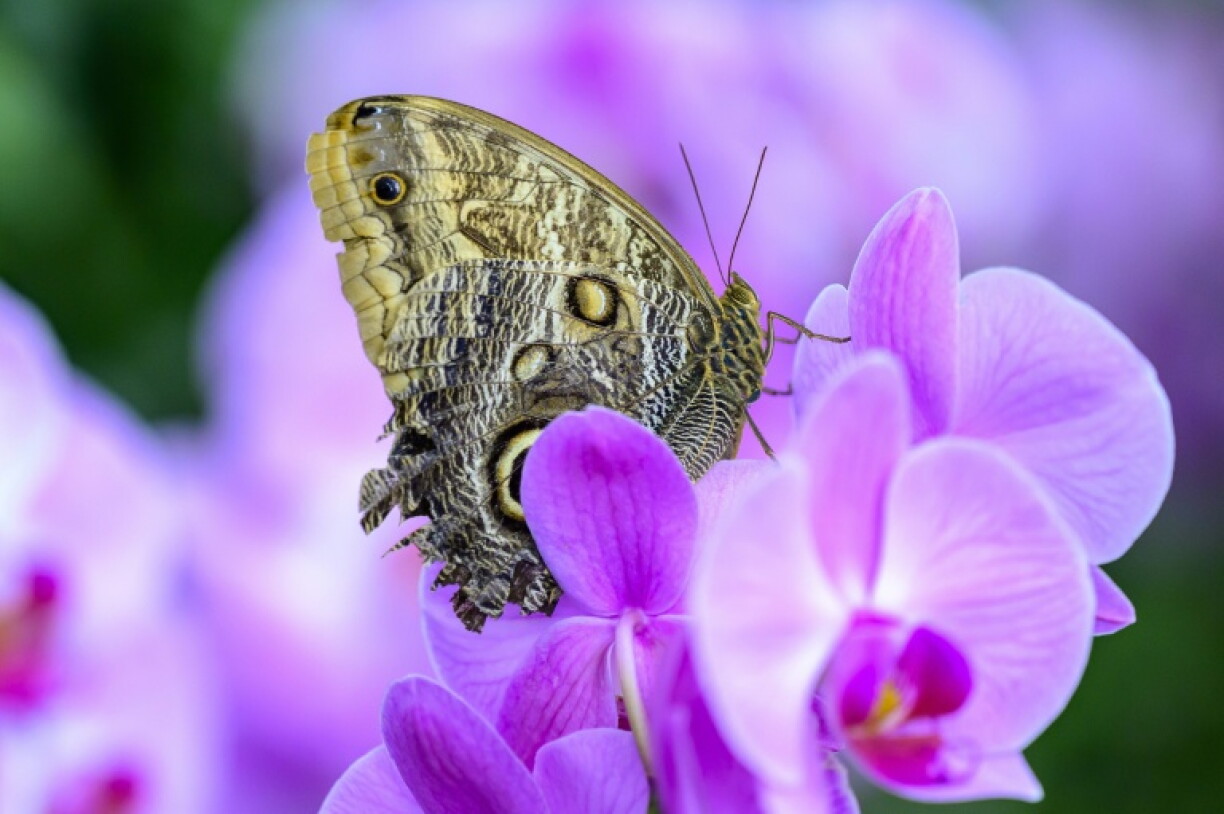
As negotiators spar over emissions targets, climate finance and fossil fuels, an unlikely refuge has emerged at the COP31 in Turkey -- a tropical garden filled with 20,000 butterflies.
Giant owl butterflies, among the world's largest species and known for the owl-like eyespots on their wings, flutter through the specially designed conservatory, which is kept at a constant temperature of 28C and 80 percent humidity.
Native to tropical forests from Mexico through Central America to South America, the butterflies were brought to COP31 from the Konya Tropical Butterfly Garden in central Turkey, attracting curious conference participants in Antalya.
"We wanted to use the colourful wings of butterflies to raise awareness about nature conservation, biodiversity and the balance of ecosystems," biologist Guler Ulucamlibel of the Konya Tropical Butterfly Garden told AFP.
"For the COP31 process, we adapted this entire area to the climatic conditions the butterflies need," she said.
Butterfly pupae placed inside glass enclosures can also be seen in the garden, allowing visitors to observe the transformation from caterpillar to butterfly.
"The butterflies were brought here in the pupal stage. They came to Konya in the same way," Ulucamlibel said.
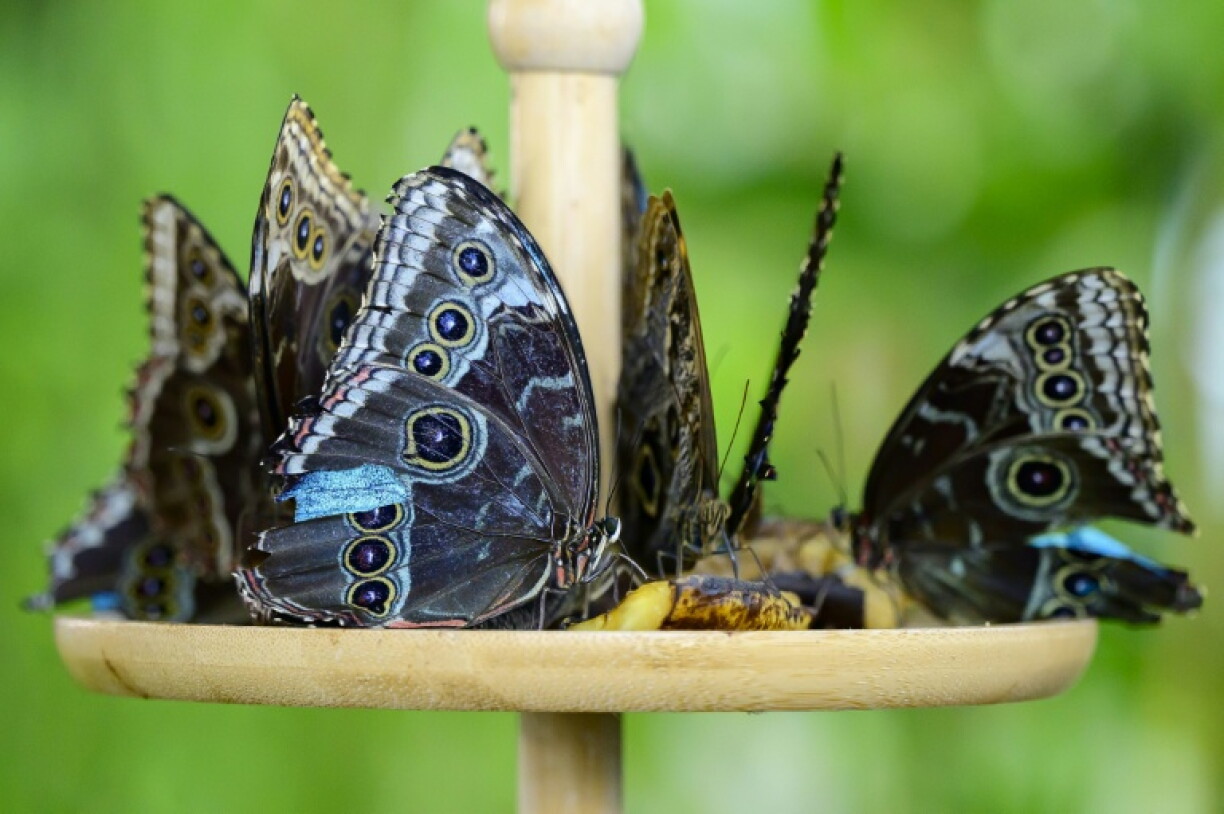
"Once they complete the pupal stage, in a process known as metamorphosis, they emerge as butterflies. We then release those that are ready to fly into the garden. That's how this colourful atmosphere comes to life."
Another Konya-based biologist, Pinar Oge, said biodiversity was as important as climate issues.
"We chose butterflies as our theme and decided to take part in the COP31 process to help raise greater awareness of these issues," she told AFP.
Contrary to the common belief that butterflies live for only a day, Oge said their lifespan can range from one week to one year, depending on the species.
She said she hoped the climate summit would also help draw attention to biodiversity conservation.
"If we try to steer these changes in a positive direction, every living creature on Earth will benefit. If we change things for the worse, however, we will lose them one by one," she warned.
Skw'akw'as Dunstan-Moore, a Canadian observer with the David Suzuki Foundation, said the garden provided a reminder of what negotiators were seeking to protect.
"I think one of the things that we're missing from negotiations and in the COP space in general is green space, is nature, is what we're trying to protect," she said.
"So having these little beings kind of reminds me, hey, this is what we're trying to work for."
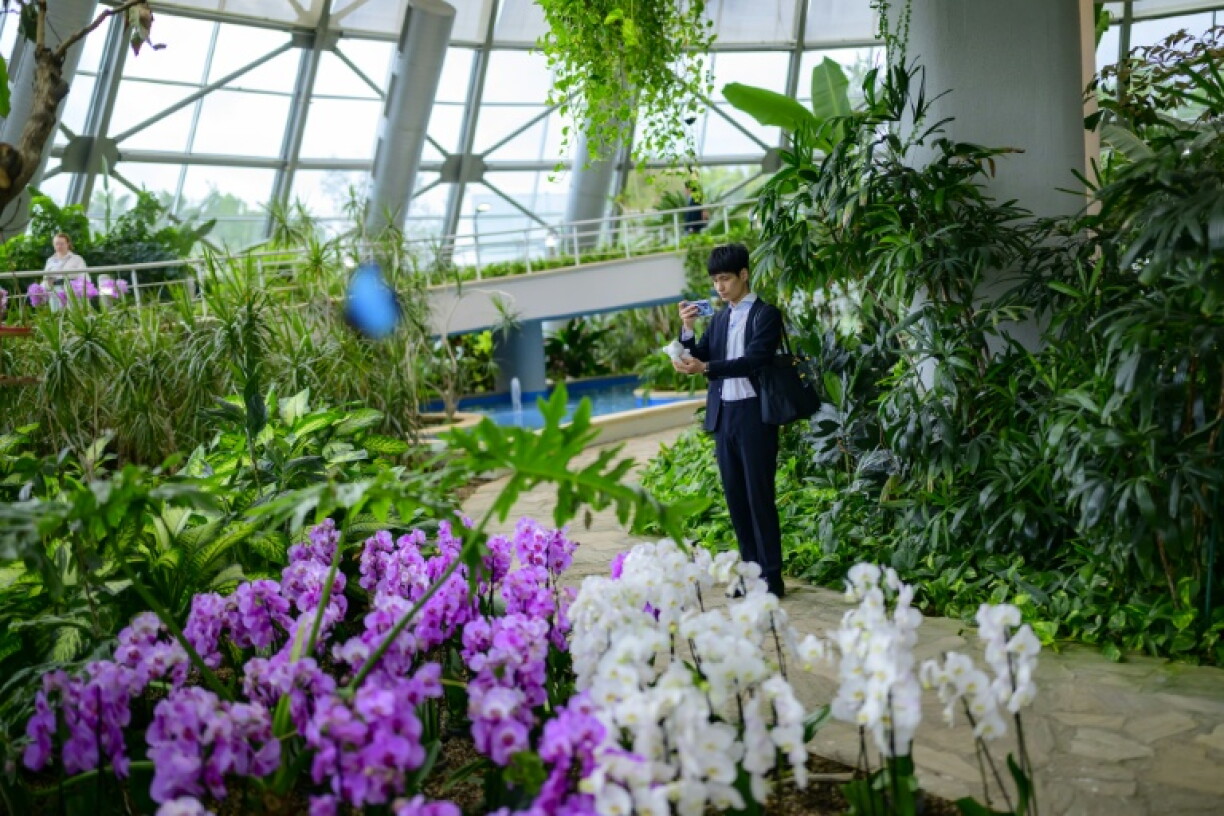
Silvana Isabel Olmedo Garcia of Paraguay said she welcomed the sense of calm after hectic negotiations.
"It's something really precious. You spend the whole day being so busy, and then you come here and everything is quiet. You just feel calm and patient," she said.
Sali Jayne Bache, an ocean conservation expert from Australia, said the space offered a respite from the pressures of the talks.
"It's so peaceful. It lets you step out of all the busyness and tension for a little while and just be here in this place," she said, adding: "It's so needed because everything is so hectic out there."
fo/jum/ach


