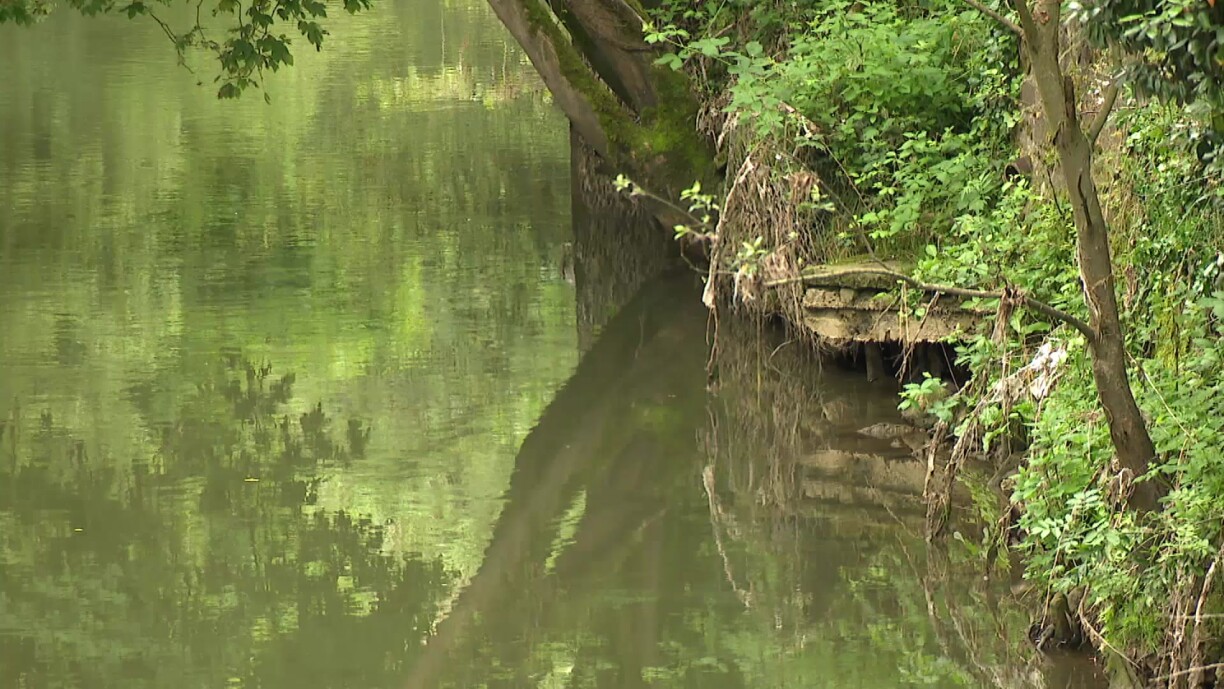
Alain Schaack, representing the Grevenmacher water treatment plant, reported that only 3% of Luxembourg's river waters are currently in a condition deemed acceptable. The remainder ranges from poor to very poor quality.
The situation is similar for water sources. A significant portion of Luxembourg's tap water comes from the Upper Sûre Lake and various sources. However, 5,500 cubic metres of source water are currently unusable due to heavy pollution, equivalent to the daily consumption of 42,000 people. In response, protection zones have been established in various areas.
The Ministry of the Environment's water management plan aims to expand water treatment facilities and renaturalise streams and rivers. However, the Ecological Movement criticises the plan's implementation.
Blanche Weber of the Ecological Movement describes the situation as "absurd." She points out that numerous measures are decided upon and published, often in extensive documents. However, when the plan's effectiveness is reviewed a few years later, it is found that only a small percentage of the measures have been implemented in some sectors. Despite this, a new plan is drawn up, even though it is clear its goals will not be met, according to Weber. She criticises this as a form of self-deception.
Both environmental activists and the Ministry of the Environment agree on the importance of valuing water more highly. Authorities acknowledge past delays, attributing them to the need for approval from many different stakeholders before a project can be implemented.
Tom Schaul, advisor on water issues at the Ministry of the Environment, explains that efforts to renaturalise streams and rivers often require land, much of which is privately owned.
The ministry emphasises that addressing water quality involves more than just implementing bans on products used in agriculture. It also involves lengthy expropriation procedures, which can delay projects significantly. Ultimately, acceptance must come from the stakeholders involved, according to the ministry.
Despite these challenges, Schaul points out significant progress over the past years. He notes that efforts, particularly related to treatment plants, have yielded positive results. Over the last two decades, nutrient inputs into rivers have been halved, thanks to advancements in treatment plant technologies.
Schaul mentions ongoing studies to determine if major treatment plants can effectively filter out micropollutants, such as pharmaceutical residues, in the future.
However, Schaul cautions that achieving water quality levels comparable to countries like Switzerland presents challenges for Luxembourg, as the country is too densely populated and its numerous small streams are particularly sensitive to drought and pollution.
Full report by RTL Télé (in Luxembourgish)





