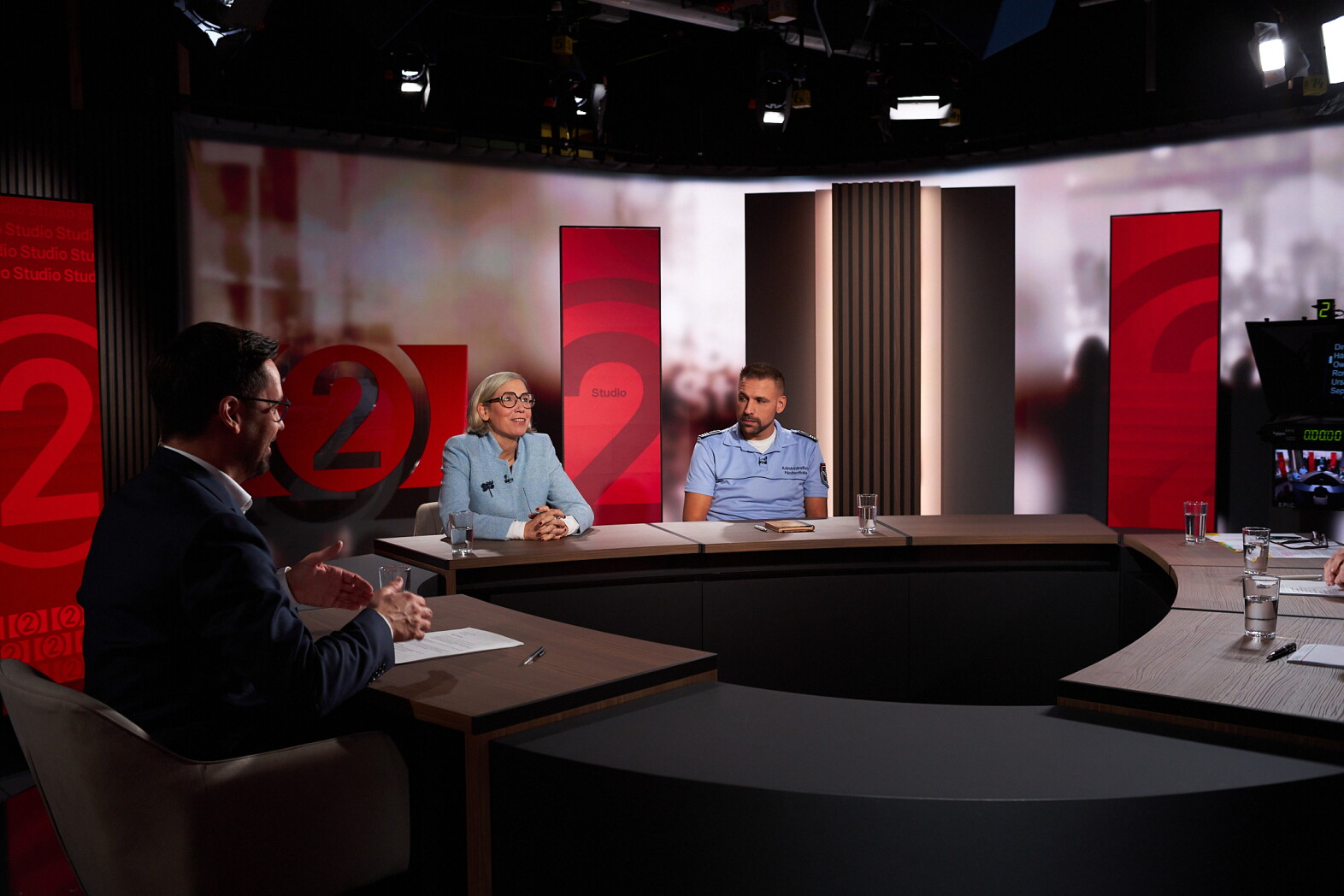
The number of detainees at Uerschterhaff remand prison has risen far more quickly than anticipated, according to Caroline Lieffrig, Deputy Director of the Prison Administration. Speaking on RTL's Studio 2 on Thursday evening, Lieffrig said that in September, Uerschterhaff held 432 people in pre-trial detention despite an official capacity of 400. To accommodate the overflow, bunk beds were brought in to allow three people to share cells designed for two – a situation Lieffrig described as far from satisfactory. As of now, the prison is holding 402 inmates, already at its upper limit.
The Prison Administration is urgently seeking ways to expand, as the facility could again reach breaking point by next summer. Options are being explored for new buildings on state land. Much of the recent surge in the remand population is attributed to intensified police action on drug offences and theft, explained Minister of Justice Élisabeth Margue of the Christian Social People's Party (CSV). "We were clear after the 'drug round table' that we would step up police presence to tackle these types of offences," Margue said.
Some have suggested that Uerschterhaff's overcrowding in September was caused by court staff taking summer leave, but State Prosecutor David Lentz refuted this claim. "The fact of whether someone remains in remand is not a matter of the calendar, but of the facts and evidence in the file," Lentz said, insisting that the prosecution service works year-round.
Sam Tanson, Green Party (Déi Gréng) MP and former Justice Minister, said that better data on crime is needed to understand why so many people are in remand. She agreed that those who commit crimes – especially if they pose a danger to others – must be sanctioned, but questioned whether better alternatives to detention exist and what is driving the current high numbers at Uerschterhaff.
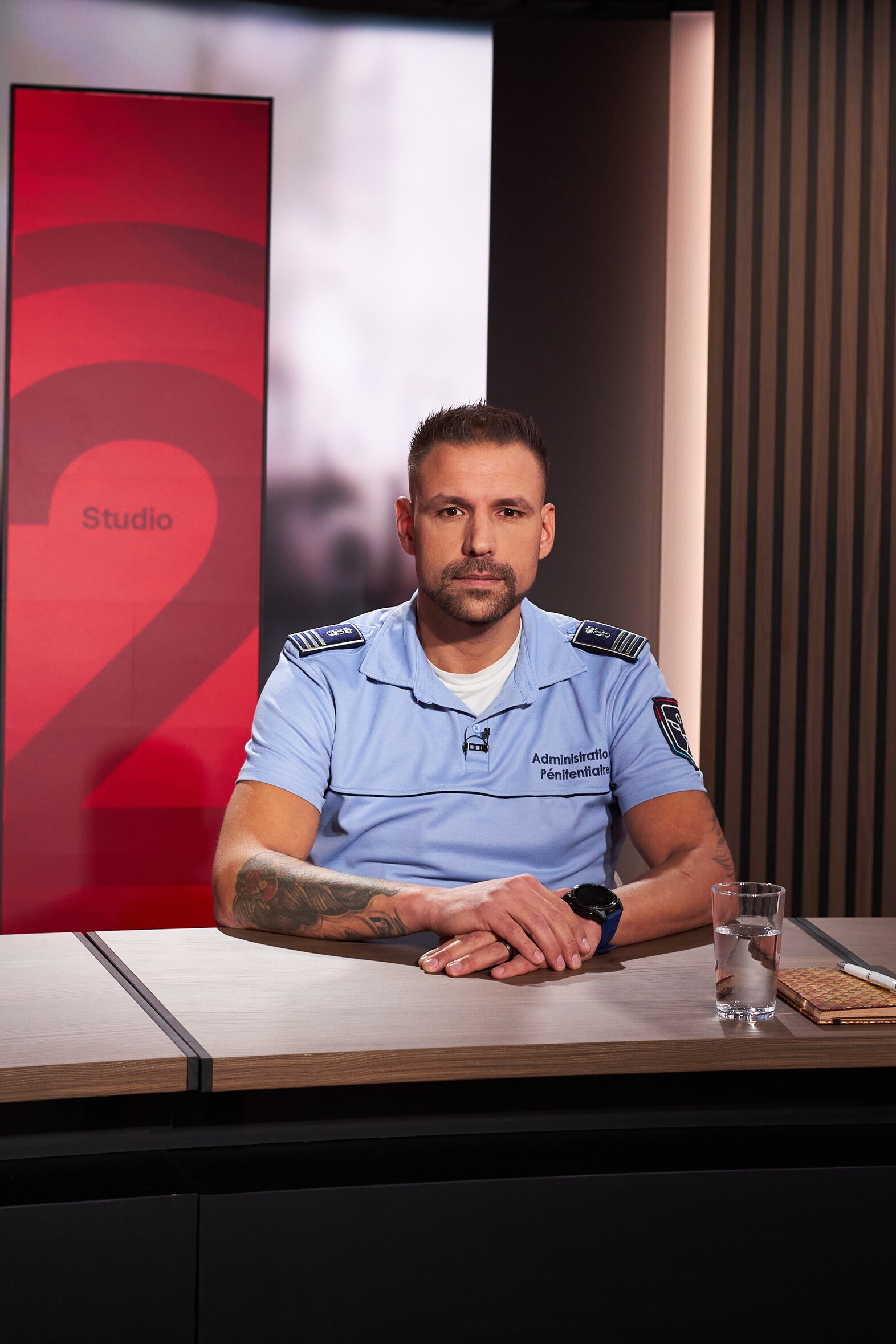
Overcrowded conditions make working in Uerschterhaff extremely difficult. Samir Djennas, President of the Prison Officers' Association, described the situation: "We have no air to breathe, and neither do the inmates." Adding a third person to a cell increases stress and conflict, and leaves staff with little time to interact with detainees. "When people from different backgrounds, cultures, ages, and personalities are thrown together, it inevitably creates tension, which can quickly boil over during the day," Djennas said.
Staffing levels are at a minimum, and there is little time to attend to inmates' needs. The Ministry of Justice is therefore considering reopening some units at Schrassig prison, which had previously been closed after Uerschterhaff was launched. Minister Margue stressed that the government is committed to recruiting the extra staff required.
Plans to expand Schrassig prison are described as a major undertaking that would need to take place while the prison remains operational – a complex logistical challenge, said Minister Margue. The current proposal aims to increase capacity from around 450 to 672 inmates. A previous attempt was shelved because of excessive costs, but a revised project is now under review, with phased construction likely to extend to 2040. In the meantime, immediate and mid-term needs may be met by building additional infrastructure either at Schrassig or Givenich, with expansions on existing prison land seen as easier than developing a new site.
Givenich is emerging as the most realistic option in the short term. Caroline Lieffrig suggested that four modular buildings could be installed on site, each accommodating 80 people – for a total of 320 – with the possibility of further expansion if required.
Prosecutor Lentz clarified that Givenich is not simply a question of available space but of eligibility: "Givenich is a transitional facility with strict rules. Only certain prisoners, typically after serving time at Schrassig as part of their reintegration process, qualify to be transferred there, and many at Schrassig do not meet the criteria, especially non-residents."
Sam Tanson argued that more prisoners should benefit from semi-open facilities like Givenich, given their proven resocialisation effect. She noted that Givenich prepares inmates well for release by allowing them to work both inside and outside the facility, giving them a taste of normal life.
Tanson also pointed to Belgium, where offenders with sentences of 18 months or less can serve their time under electronic surveillance. She suggested that Luxembourg could consider a similar scheme, which could be especially useful for non-residents, a group whose reintegration poses particular challenges.

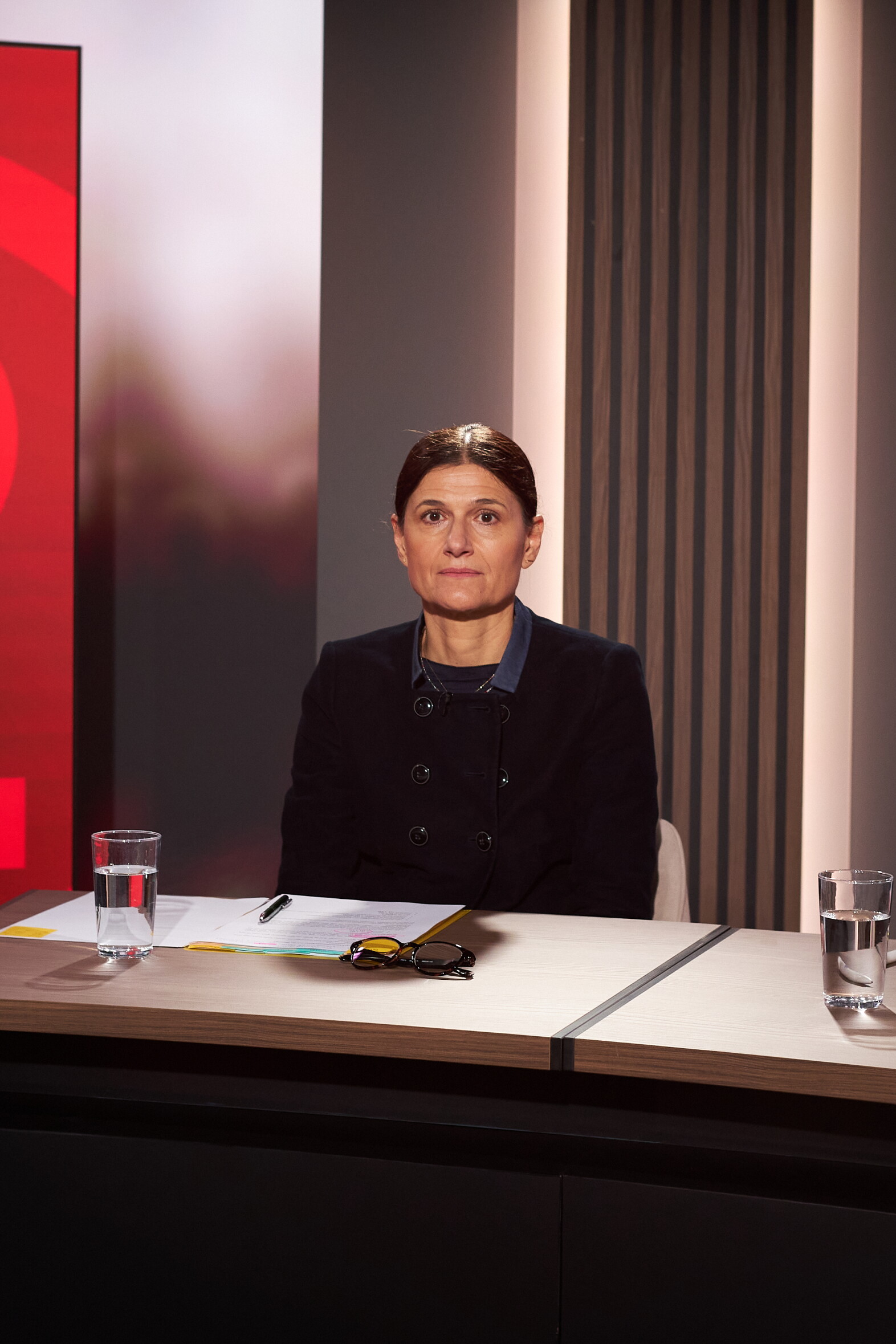
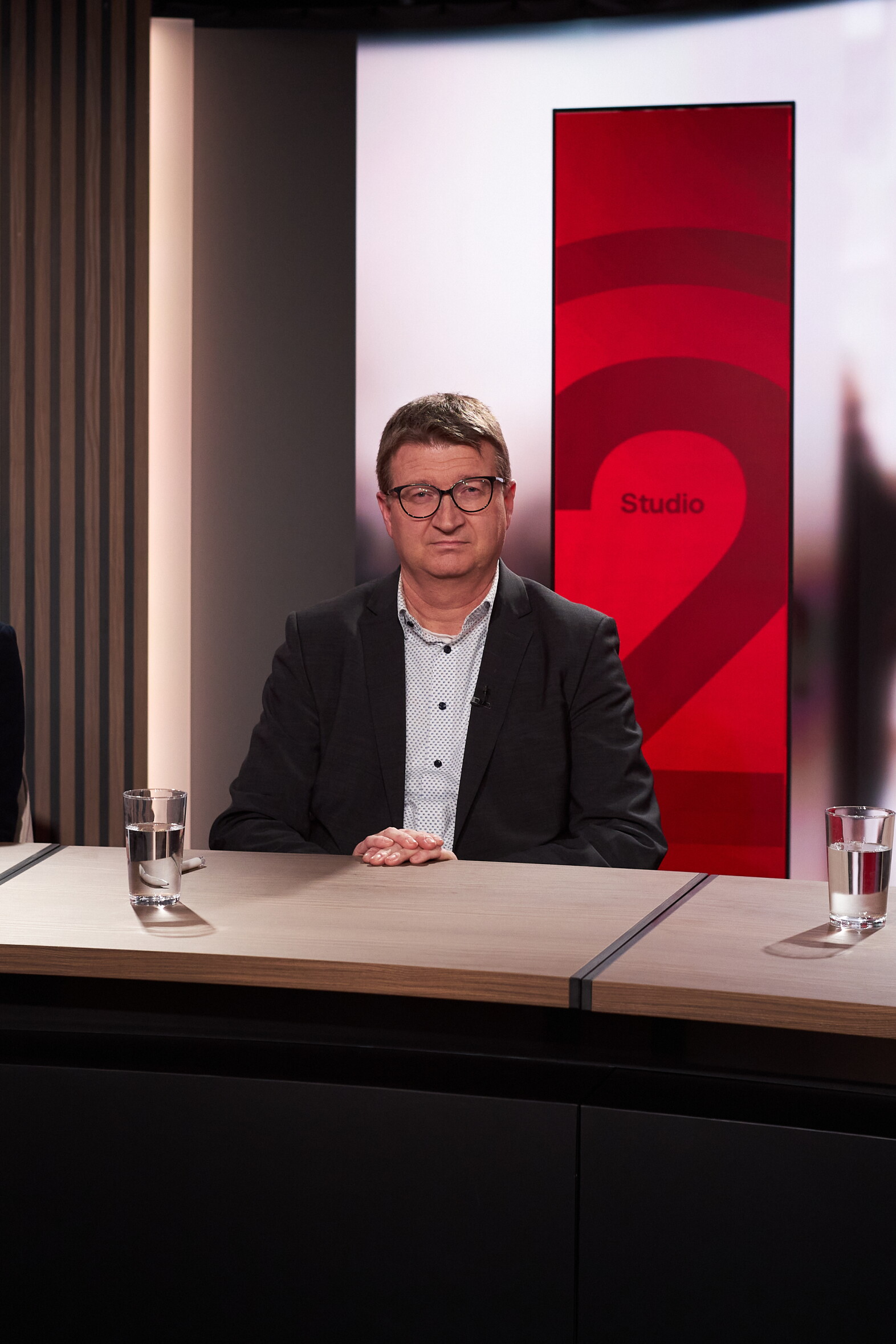
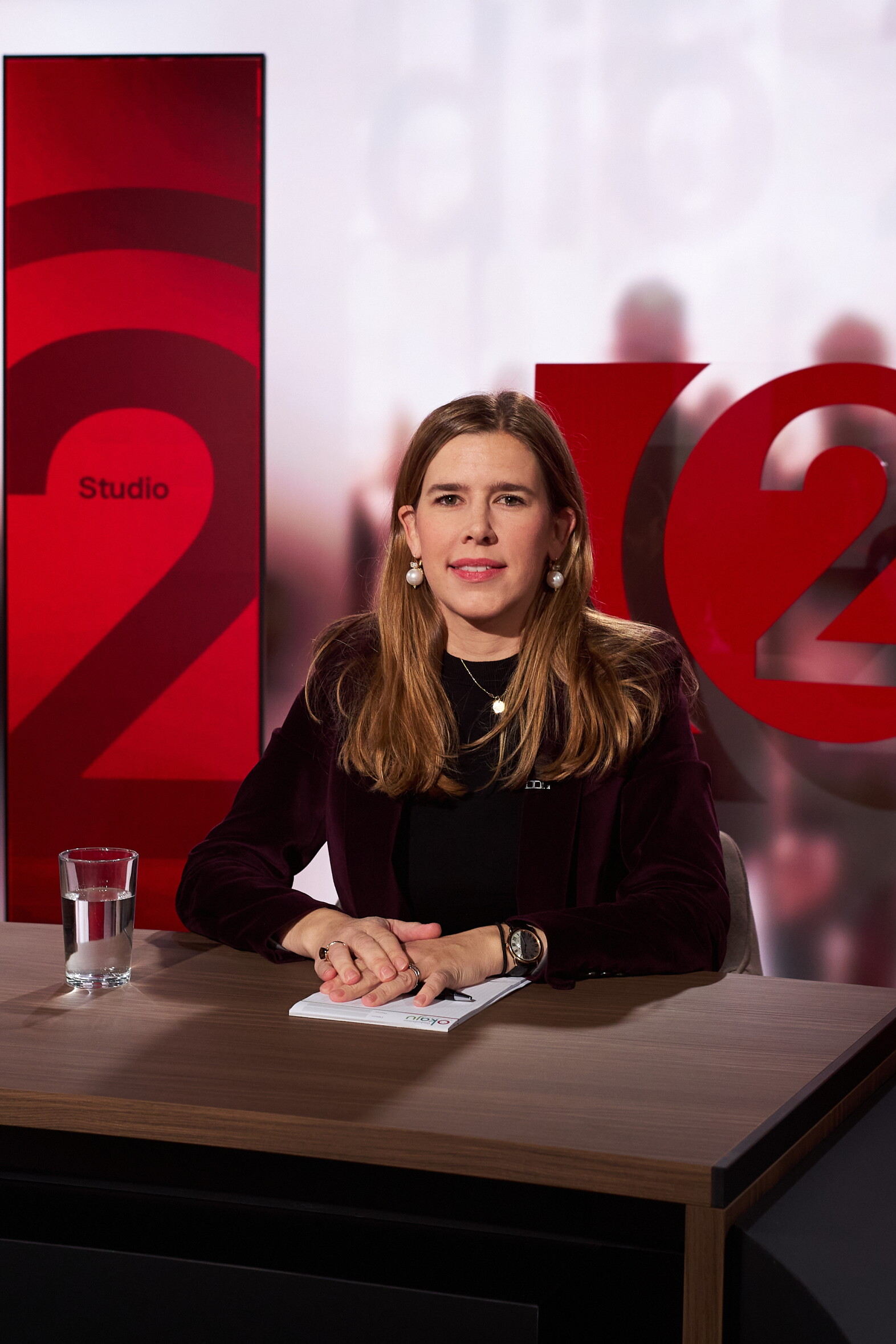
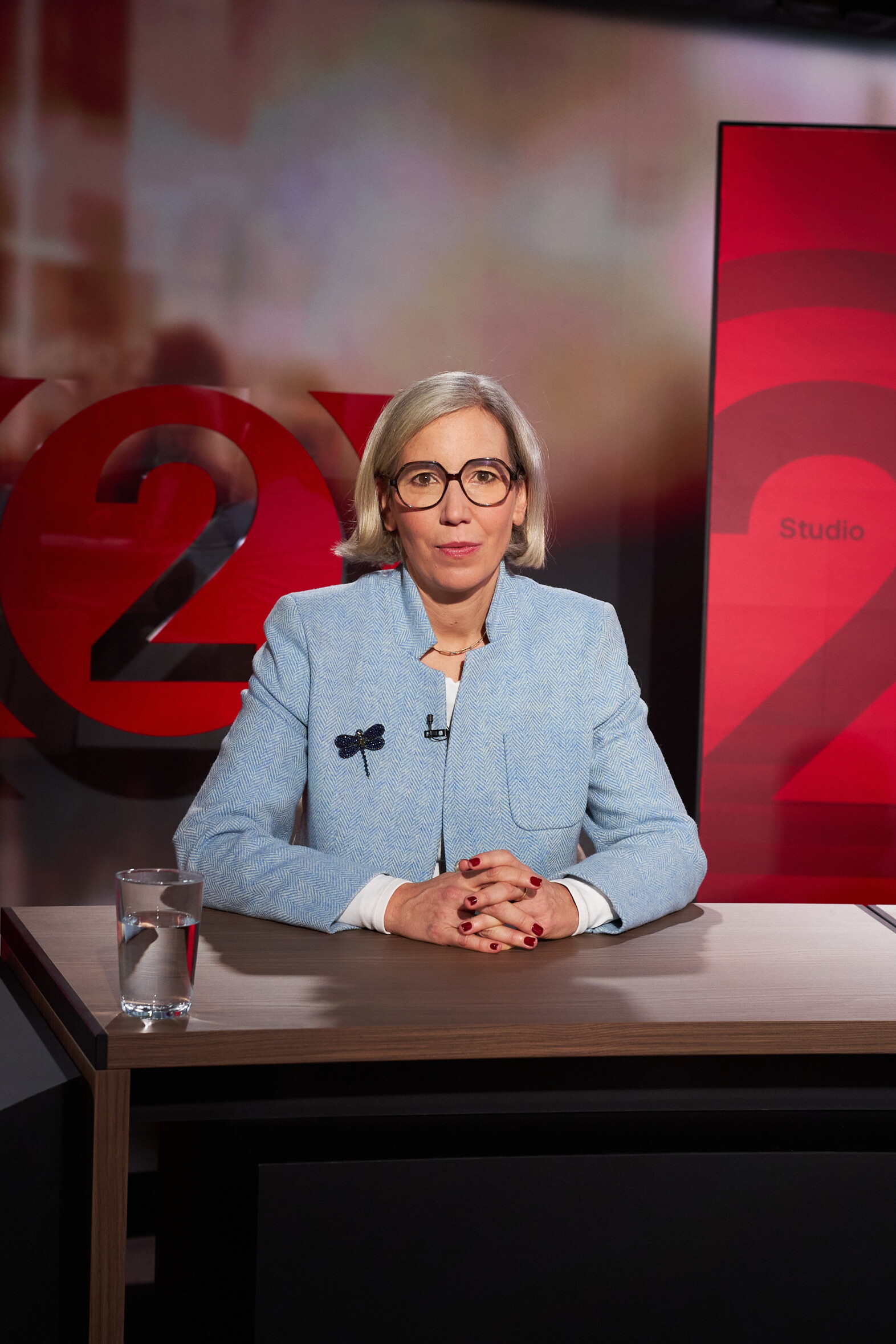



Christian Richartz from the NGO Eran, eraus an elo, argued that building more prisons is not the solution. He said the increase in Luxembourg's prison population is due to stricter application of criminal law and tougher sentencing under the current CSV-DP coalition.
Justice Minister Margue responded: "We were elected to implement a new policy on security, with increased police presence and faster procedures." She acknowledged that demographic growth means long-term planning for prison capacity is necessary, but maintained that this is not the result of failed policy, and that overcrowding is also affecting prisons in neighbouring countries.
"Prisons are not built to accommodate more people, but because more offences are being committed, and they are more serious," said Prosecutor Lentz. He noted a dramatic rise in aggression among detainees over the past thirty years. While he does not see himself as more repressive than his predecessors, he admits to being less tolerant: "The laws must be enforced. If people see that crimes go unpunished, we move step by step towards anarchy."
Prison officers are also witnessing this rise in aggression. Djennas said that in his early years he did not hear the kind of insults that are now common, and that respect among inmates and towards the system is declining. The profile of the prison population has significantly changed.
Lieffrig agreed that staff concerns are justified but emphasised the importance of objective data. "We do not see a constant increase in assaults against staff. In 2022 there were 29 incidents, which was the peak; since then, numbers have stabilised – 22 in 2023 and 17 so far in 2026," she said. "That does not mean there is no problem, only that prisoner profiles are becoming more complex."
Djennas added that while physical violence is a major challenge, verbal aggression is a daily occurrence. He warned that prosecuting every incident would be impractical, as it would require new courts just to process such cases. Both officers and inmates hope for better infrastructure, more staff, and more space. Minister Margue noted that this year, 42 new positions have been created for the prison service – more than double the number than the previous three years combined.
The government expects that the planned "comparution accélérée" procedure (a fast-track court process now progressing through parliament) will reduce the number of pre-trial detainees. The aim, according to Margue, is for suspects to appear before a judge within one month of arrest; currently, the average stay at Uerschterhaff is three and a half months.
Conditions for women in Block F at Schrassig are also problematic. Authorities are aware of the challenges of housing mothers with babies, minors, and other vulnerable groups – sometimes requiring separation. Despite renovations, finding better solutions remains a priority.
A shortage of places at the Unisec juvenile facility in Dreiborn has led to minors being placed in the adult prison at Schrassig on 41 occasions this year.
Djennas noted that conditions at Schrassig are not equivalent to Dreiborn, and there is not always enough specialist staff to support minors. He added that working with young people in prison is particularly challenging and demanding.
Some minors are placed in adult prison due to "mijeuren" – adults who claim to be underage, explained Lentz. Many arrive in Luxembourg without documents or ties, believing they will be treated differently if classified as minors. In one case, a person claiming to be fourteen was found by Europol to be forty. Some foreign criminal networks reportedly send young people to Luxembourg specifically for burglaries and thefts.
Lentz added that some minors at Dreiborn are so unmanageable that staff request their transfer to Schrassig for safety reasons.
There was consensus among Studio 2 guests that Schrassig is not an appropriate environment for minors. Work is underway on a dedicated juvenile detention centre in Dreiborn. Until new youth protection and juvenile criminal laws are enacted, authorities aim to provide the best possible support to minors in adult prison, and are also seeking to create separate infrastructure for particularly vulnerable young people currently at Dreiborn, who may pose a risk to themselves.


