The hotel and catering industry is currently facing staff shortages, a trend that has persisted since the COVID-19 pandemic. Although the shortages are not as severe as immediately after the pandemic, there is still an estimated deficit of 1,200 to 1,500 people. The sector is also grappling with evolving attitudes.
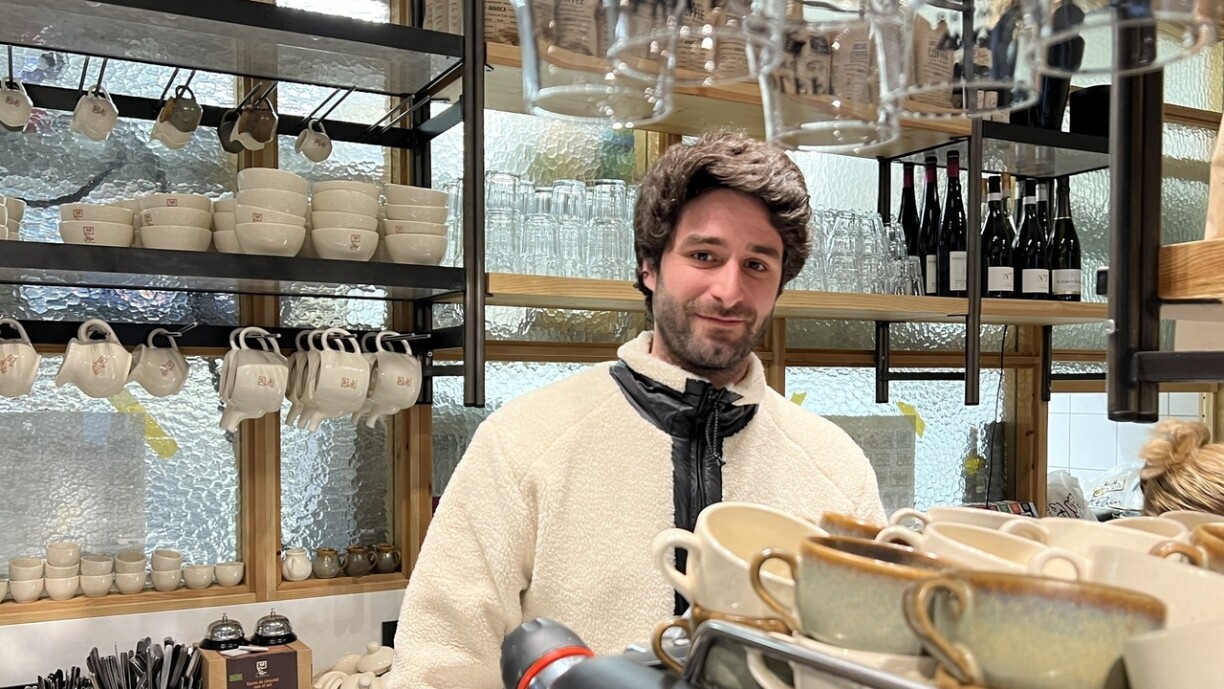
Lou Reiter's bakery-restaurant in the city center stands out as a unique case. The young manager, who took over this business six months ago, mainly employs English-speaking staff due to his expat customer base. This approach means his business receives a diverse pool of CVs, including from individuals with international experience.
He opens the bakery at 7 AM and provides flexible, family-friendly hours for his employees. This approach allows him to hire parents, particularly those raising their children alone and who need to accommodate out-of-school care hours.
It needs to be acknowledged that there is a current shift in attitudes toward work, and that embracing flexibility can help adapt to the situation. The manager criticises the tendency to hastily attribute responsibility for a bankruptcy or a struggling business to the staff. "Personally, I think that's too easy of an excuse. Fact is, the employer has a certain responsibility toward their staff and the caliber of the staff mirrors the quality of the manager or employer."
Alain Rix, President of the Horesca federation, representing the hotel, restaurant, and cafe trade, agrees that staff are the lifeblood of a business and should be treated with respect. Beyond implementing more flexible working hours, which may however not be feasible for all businesses, he suggests that training newcomers to the trade is another way to address the staff shortage. Businesses are often too small to offer training themselves. "But that's why we have the hotel school, the Lycée technique de Bonnevoie, the House of Entrepreneurship, and the House of Training of the Chamber of Commerce. HORESCA itself provides training courses, and I believe all this can be helpful."
The shortage primarily affects cooks and clerks, individuals assisting in the kitchen or the waitstaff. Besides internal working conditions, both Lou Reiter and Alain Rix have observed a slight deterioration in customer interactions with the staff, a trend that concerns them.






