Chemicals can enter the environment through a myriad of everyday products, but their impact on human health, and whether they accumulate in the body is still vastly unclear.
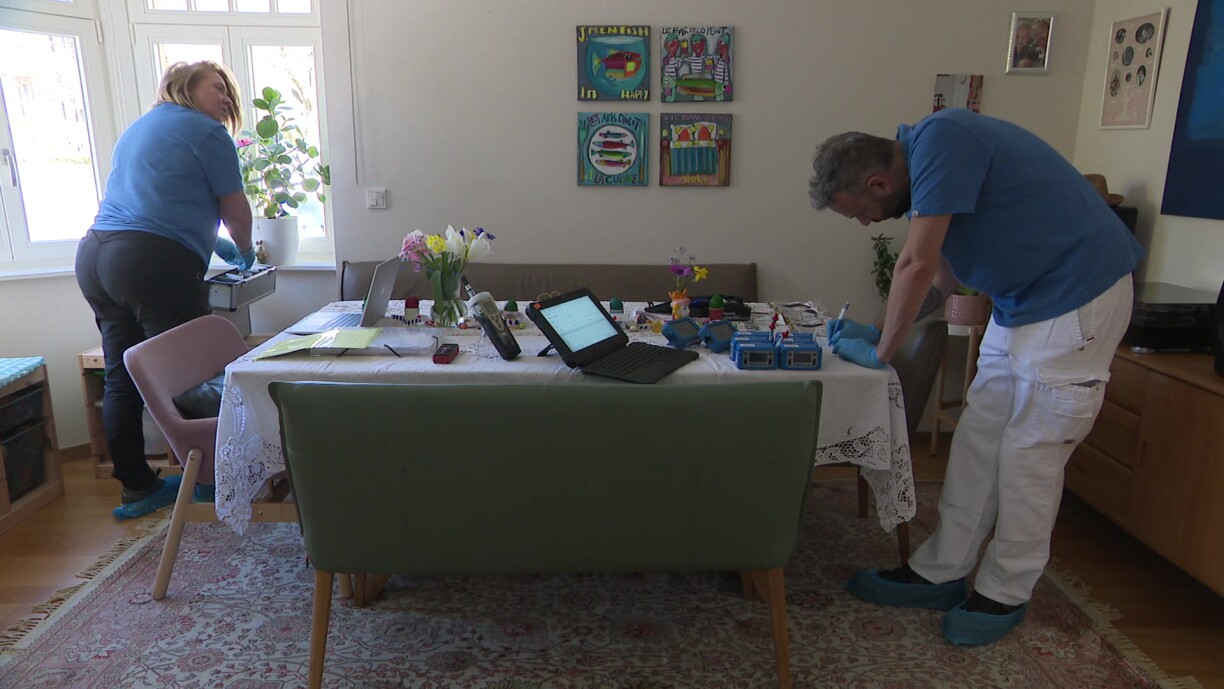
To tackle this, the National Health Laboratory (LNS) has launched a large-scale study as part of a broader European initiative. The project, known as LëtzHBM, involves collecting samples from both children and adults directly in their homes. So far, 175 households have taken part.
For Sophie Wehenkel, the opportunity to better understand her personal exposure is what drove her to take part in the study. She was particularly interested in learning more about the chemical environment in her own home, particularly paying attention to the kind of furniture she owns.
Furniture made from composite wood, for example, can release chemicals into the air due to the adhesives used in its production, but this is notoriously difficult to assess, explained nurse Monica Azevedo Mesquita, who conducts home visits as part of the study.
During these visits, samples of air, dust and tap water are collected. Participants are asked not to vacuum for a period beforehand to ensure accurate results. Biological samples including blood, urine, and hair are also taken to determine whether substances detected in the home are present in the body and to assess in how far these chemicals have an adverse impact on human health.
The findings are expected to contribute to the establishment of national reference values for various chemicals. According to epidemiologist Maria Torres Toda, who is leading the study, one of the main goals is to provide reliable data that can inform future directives aimed at improving public health.
The survey is set to run for a year and a half and will continue until September. Researchers are still seeking around 100 additional participants, particularly from the north and east of the country, to ensure the sample is as representative as possible.





